

Many people ask a simple question: Is washing your hair every single day bad for you? Opinions are sharply divided. Some promote “no-poo” routines and recommend stretching washes as long as possible. Others shampoo daily without hesitation and see no issue with it.
Clear answers are not universal. Hair type, scalp condition, lifestyle, age, and personal comfort all shape what works best. A routine that leaves one person feeling clean and balanced may leave another dealing with dryness or buildup.
Daily washing is not automatically harmful, but it is not automatically necessary either.
Let us talk about it.
Arguments For Washing Your Hair Every Day
Daily shampooing often gets criticized, yet many practical reasons support it. Scalp skin produces oil continuously, collects sweat, and traps environmental debris.
For certain people, cleansing every day keeps discomfort and buildup under control. Benefits depend largely on oil production, activity level, and environmental exposure.
Cleanliness and Scalp Health
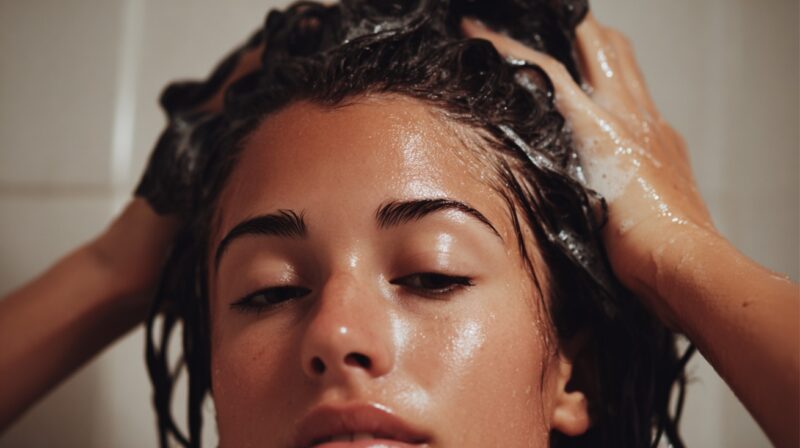
Scalp skin functions much like facial skin. Oil glands produce sebum, dead skin cells are shed, and outside particles settle throughout the day. Without regular cleansing, residue can accumulate and interfere with comfort and appearance.
- Sweat that dries on the scalp after exercise or heat exposure
- Excess sebum can make roots look greasy
- Dirt and pollution particles that settle onto hair strands
Styling products such as gels, sprays, and creams that leave residue
Regular cleansing keeps follicles clearer and reduces the heavy feeling that buildup can create. People living in polluted cities or working in dusty settings often notice scalp irritation if washes are spaced too far apart.
Itchiness, flaking, and mild inflammation may develop when oil and debris remain on the skin for extended periods.
Control of bacteria and yeast also plays a role. The scalp naturally contains microorganisms. Balanced cleansing helps limit overgrowth that may contribute to dandruff and irritation.
Daily washing is not mandatory for everyone, yet for some individuals, it supports a cleaner and calmer scalp.
Beneficial for Oily Hair Types
Sebum production differs greatly among individuals. Some people experience noticeable oiliness within 24 hours of washing. Roots may appear shiny, limp, and separated. For them, daily shampooing can restore volume and freshness.
Fine or straight hair often shows oil faster because sebum moves easily along smoother strands. Heavier oil presence can quickly weigh hair down.
Skipping washes when oil production is high may lead to flatness and a feeling of unclean hair. For oily scalps, daily cleansing can feel practical rather than excessive.
Active Lifestyles and Frequent Sweating
Physical activity significantly affects scalp condition. Sweat contains water, salt, and trace substances that remain on the skin after drying. When mixed with oil and environmental particles, residue may build up rapidly.
People who exercise daily, live in humid climates, or wear helmets and hats for long periods often experience increased moisture and friction at the scalp.
- Intense workouts that lead to heavy perspiration
- Outdoor jobs with prolonged sun and dust exposure
- Humid environments that keep the scalp damp for hours
- Protective headgear that traps heat and sweat
Daily shampooing in these cases can reduce odor, remove salt deposits, and restore a fresh feeling. Athletes and physically active individuals often report greater comfort with consistent cleansing.
Arguments Against Washing Your Hair Every Day
Frequent shampooing can be helpful for some, yet it may create issues for others. Hair and scalp need a certain level of natural oil to remain flexible and hydrated. Removing that oil too often can upset the balance.
Stripping Natural Oils
Sebum plays an important protective role. Natural oils coat the hair shaft, support softness, and reduce friction between strands.
Shampoo works by binding to oil and washing it away. Used daily on a scalp that does not produce excess oil, it may reduce moisture more than necessary.
- Tight or dry sensation on the scalp
- Increased flaking in people prone to dryness
- Hair that feels rough or less smooth
- Greater need for conditioners or styling creams
Over-washing may also signal oil glands to compensate, leading to cycles of dryness followed by rebound oiliness in some individuals. Balanced cleansing frequency often prevents that pattern.
Potential Dryness and Hair Damage

Dermatologists often explain that washing more often than needed can dry both the scalp and the hair shaft.
Hair lacking moisture becomes more vulnerable to breakage. Strands may appear dull and frizzy rather than smooth.
Chemically treated hair requires special care. Coloring, perming, or relaxing processes alter the hair structure and reduce natural moisture reserves.
Spacing out washes often helps preserve hydration and extend the results of chemical services.
Hair Type Considerations
Hair texture greatly influences how often cleansing is needed. Curly, coily, and coarse hair types tend to retain oil closer to the scalp because twists and bends slow oil movement along the strand.
As a result, ends may remain dry even when roots feel balanced.
Frequent washing can strip protective oils that support curl definition and reduce frizz.
People with dry or coarse hair are often advised to wash less frequently, sometimes once a week or every few days, depending on scalp comfort.
- Maintain natural moisture
- Reduce frizz and puffiness
- Support defined curl patterns
- Limit the mechanical stress caused by daily wetting and styling
Observing how hair responds after each wash provides valuable feedback on ideal timing.
Experts Say That There Is No One-Size-Fits-All Rule

Medical professionals consistently note that no universal schedule fits everyone. Ideal washing frequency depends on oil production, hair texture, age, and lifestyle habits.
Dermatologist and Clinic Guidance
Cleveland Clinic guidance suggests that most people likely only need to wash their hair every 2 to 3 days.
- Age, since younger individuals typically produce more oil
- Hair type, which affects how quickly oil becomes visible
- Activity level, including exercise frequency
- Ethnic background, which may relate to hair texture and oil patterns
Washing helps control bacteria and yeast on the scalp. Balanced cleansing can reduce dandruff and inflammation.
Daily washing is not required for that benefit in most situations. Proper intervals usually maintain scalp health without excessive dryness.
Hair Specific Influences on Washing Frequency
Oil production generally decreases with age. Teenagers and young adults often experience faster buildup and may prefer more frequent washing. Older adults may notice that hair stays fresh longer due to reduced sebum output.
Hair texture also guides frequency. Straight and fine hair often needs more frequent cleansing because oil spreads quickly and becomes visible. Thick, coarse, curly, or coily hair often performs better with fewer washes.
Scalp oiliness remains a primary factor. Oily scalps may feel comfortable with daily shampooing.
Dry scalp often improves when washes are spaced out. Careful observation of comfort, appearance, and hair condition helps determine a routine that maintains balance without unnecessary dryness.
Summary
Now you can see that is not inherently bad to wash your hair every day. Scientific evidence does not show that frequency alone damages hair or scalp.
For some individuals, especially those with oily scalps or active lifestyles, daily cleansing can support comfort and cleanliness. For others, particularly people with dry, coarse, curly, or chemically treated hair, washing every day may lead to moisture loss and unnecessary dryness.
Adjusting wash frequency according to personal hair needs is the most practical approach. Careful observation of how hair and scalp respond over time helps determine the right routine.