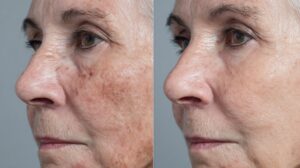
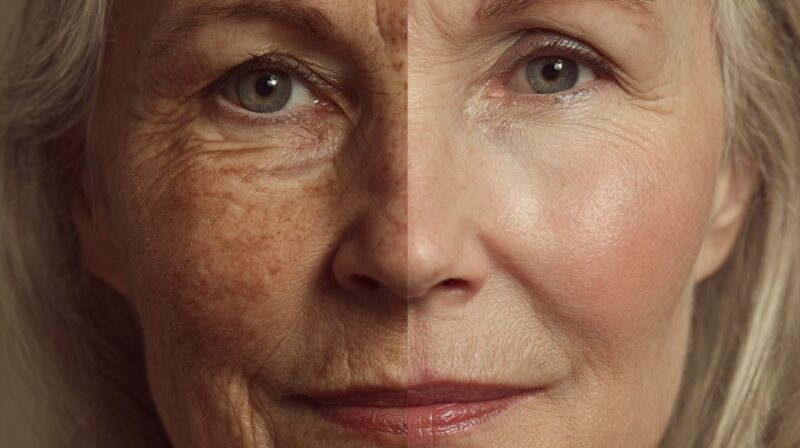
Every emotion, stress response, and calming sensation registers not only inside the brain but also across the skin’s surface. Facial tension after a difficult day, breakouts during prolonged pressure, or visible dullness tied to fatigue reveal how closely neural activity and complexion interact.
Neuro-skin aging refers to the biological process through which nervous system signaling, psychological stress, and emotional regulation influence skin function and aging patterns.
Research tied to neurocosmetics and psychodermatology shows that skin cells respond directly to neurotransmitters, hormones, and nerve impulses.
Emotional strain accelerates inflammation, weakens barrier repair, and disrupts regeneration, while relaxation supports repair and balance.
Connections linking embryology, stress biology, and cosmetic science reveal how cortisol accelerates aging, how neurotransmitters guide regeneration, and how sensory rituals alter skin behavior. Advances in neurocosmetics aim to address aging not only at a cellular level but also through nervous system modulation.
A Shared Biological Origin
Skin and brain develop side by side during embryogenesis, both emerging along the same ectodermal pathway.
Early developmental alignment creates permanent biochemical and neurological communication routes that persist across the lifespan.
Sensory nerves, neuroreceptors, and hormone receptors remain distributed throughout epidermal and dermal layers, allowing constant feedback between emotional states and skin behavior.
- dense networks of peripheral nerve endings embedded within the dermis
- receptors responsive to neurotransmitters such as cortisol, endorphins, and neuropeptides
- localized production of hormones that mirror central nervous system signaling
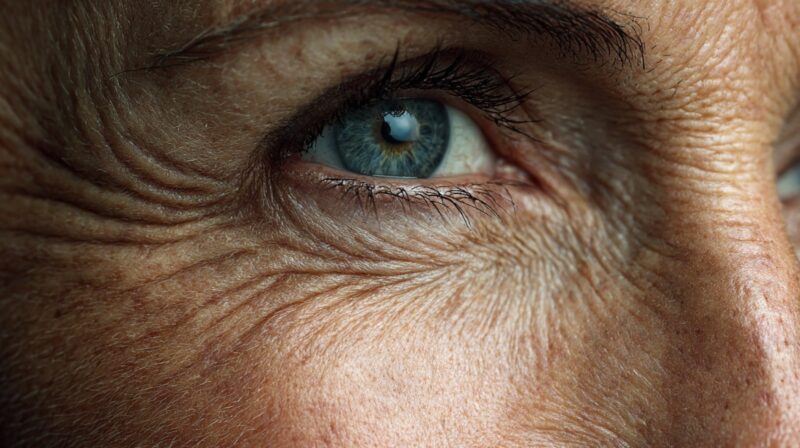
Stress signaling operates through the hypothalamic-pituitary-adrenal axis, linking emotional perception to physiological skin response. Psychological strain initiates corticotropin-releasing hormone secretion, followed by systemic cortisol release.
Elevated cortisol alters sebaceous activity, suppresses lipid synthesis, and compromises barrier cohesion, increasing susceptibility to irritation and inflammation.
- Acne flare-ups are tied to excess oil and inflammatory signaling
- persistent redness linked to vascular instability
- heightened sensitivity caused by barrier disruption
Physical manifestations connected to emotional memory offer striking evidence of this connection. One documented case involved a pilot who developed blisters during flights over a location associated with psychological trauma.
Skin reacted predictably in response to emotional triggers alone, confirming that unresolved stress can imprint directly onto tissue without external irritation.
Skin Care Designed for the Nervous System
Neurocosmetics describe formulations created to interact directly with the cutaneous nervous system using neuromodulators and neurotransmitter-responsive ingredients.
- Sensation
- Inflammation
- Muscle contraction
- Cellular repair
Targeted pathways commonly addressed include:
- sensory receptors controlling discomfort and soothing responses
- Neuromuscular junctions involved in facial tension
- inflammatory mediators influencing redness and pigment activity
View this post on Instagram
Neurotransmitters such as endorphins, gamma-aminobutyric acid, neuropeptide Y, and substance P guide vascular tone, immune balance, pigment production, and muscle responsiveness. Altering these signals modifies visible skin behavior through biochemical rather than mechanical action.
Ingredient strategies vary depending on the intended effect. Some compounds encourage endorphin release, easing facial tension and softening expression-related lines. Other actives suppress cortisol-driven inflammation, helping reduce redness and uneven pigmentation.
Formulation philosophy prioritizes nervous system calming and signal normalization rather than aggressive resurfacing or forced turnover.
Neuroaging and Structural Skin Decline
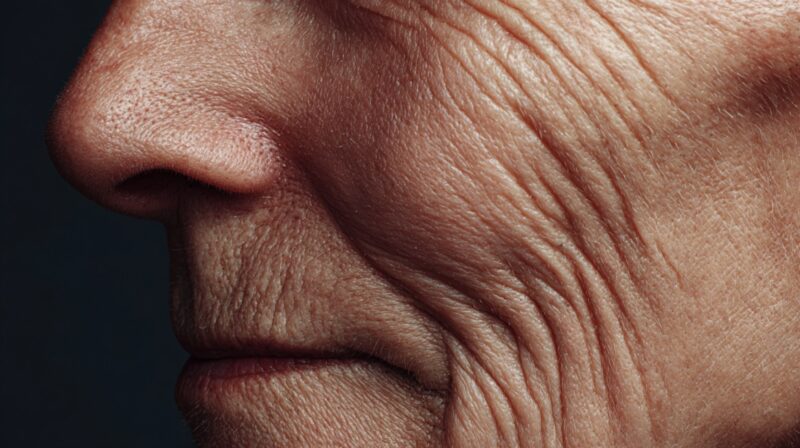
Neuroaging refers to the gradual decline in nerve signaling efficiency associated with aging. Reduced neuronal precision interferes with communication between nerve endings and fibroblasts, leading to diminished collagen and elastin synthesis.
Structural support weakens as regeneration slows, contributing to dermal thinning and loss of firmness often described as fibroaging.
- reduced fibroblast responsiveness
- slower extracellular matrix renewal
- compromised tensile strength within the dermis
Neurocosmetic actives aim to reestablish communication between neurons and fibroblasts. Restored signaling supports collagen formation, elastic fiber maintenance, and improved cellular turnover.
Certain formulations focus on reactivating underperforming pathways instead of overstimulating tissue.
Neuropeptides such as hexapeptide-8 influence neurotransmitter release involved in muscle contraction, allowing visible relaxation of expression lines without paralysis. Botanical extracts offer additional modulation.
Scutelleria alpina activates calming receptors linked to gamma-aminobutyric acid pathways, while eperua extract regulates calcitonin gene-related peptide activity to soothe inflammation and vascular reactivity.
Psychodermatology and Emotional Skin Responses
Psychodermatology examines the two-way relationship between emotional health and skin conditions. Psychological stress intensifies acne, eczema, rosacea, and premature aging through sustained cortisol elevation and immune imbalance.
- impaired barrier repair mechanisms
- increased transepidermal water loss
- amplification of inflammatory cascades
Emotional relief often coincides with visible improvement in tone, clarity, and resilience, reinforcing the role of nervous system regulation in skin health.
Clinical observations reveal that regenerative skin treatments influence both mood and physiological stress markers.
Procedures such as microneedling and therapeutic facials stimulate vagus nerve activity, promoting parasympathetic response and cortisol reduction.
Patients experiencing burnout reported outcomes extending beyond appearance, including improved sleep patterns, higher energy levels, and enhanced emotional stability alongside healthier-looking skin.
Touch, Texture, and Scent
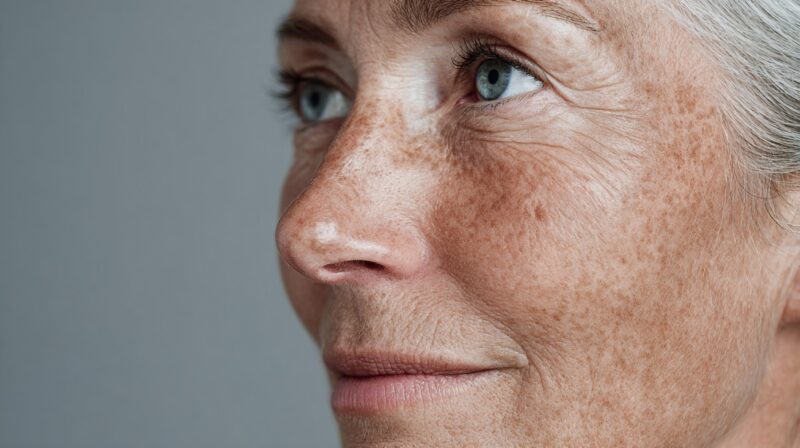
Skin care rituals activate neurological pathways through controlled sensory input.
Slow application techniques and soothing textures encourage oxytocin and dopamine release, supporting relaxation and emotional comfort. Physical touch signals safety and regulation within the nervous system.
- immediate relaxation tied to rhythmic motion
- perceived comfort linked to viscosity and glide
- emotional reassurance associated with ritual consistency
Texture alone generates measurable emotional responses. Blind testing using unbranded white creams demonstrated shifts in mood and perceived efficacy without visual influence. Tactile experience plays a central role in user perception and satisfaction.
Fragrance interacts directly with limbic system centers responsible for emotion and memory.
Scents such as lavender and valerian reduce stress responses and inflammatory signaling. EEG-based scent research confirms measurable emotional uplift following controlled exposure.
Sensory agents like menthol activate transient receptor potential channels, creating cooling or warming sensations. Perceived hydration or soothing may occur without structural skin alteration.
Psychological perception strongly shapes satisfaction, driven by tactile luxury, scent architecture, and ritual expectation rather than ingredient action alone.
Summary
Neural signaling exerts substantial influence over skin aging, inflammation, and regeneration. Emotional stress accelerates visible decline through hormonal disruption, while nervous system balance supports repair and resilience. Neurocosmetics and psychodermatology introduce tools that address aging through both biological and emotional pathways.
Products alone cannot resolve emotional strain, yet intentional rituals and neurologically informed formulations support holistic care. Calming the nervous system benefits skin health while reinforcing emotional well-being.
Ongoing research continues to reshape dermatology and aesthetic wellness. Greater insight into skin-brain communication promises more targeted interventions that treat aging as both a physiological and psychological process.