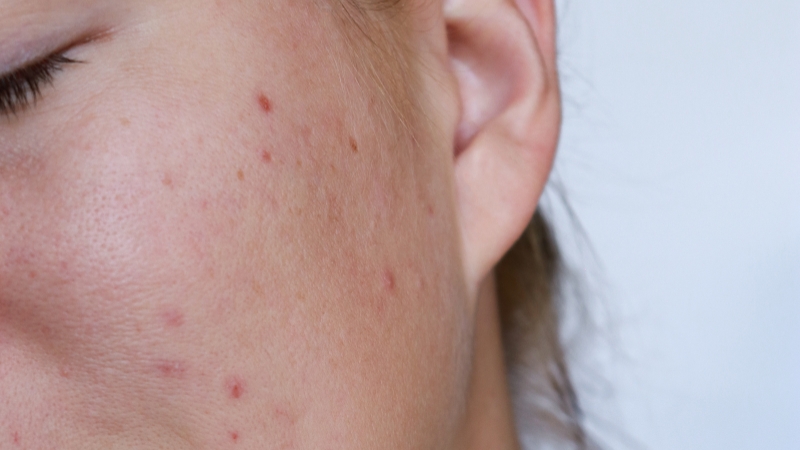
Acne often ends long before its impact fully fades. For many people, the physical breakouts disappear, but the scars remain as a daily reminder of years of skin struggle.
These marks can affect how someone sees themselves, how they feel in social situations, and how confident they are in professional environments.
Treating acne scars is not just about improving appearance. For many, it is closely tied to emotional recovery and self-confidence.
Modern aesthetic treatments now offer realistic, effective ways to soften scars, improve skin texture, and help people feel comfortable in their skin again.
How Acne Scars Actually Form
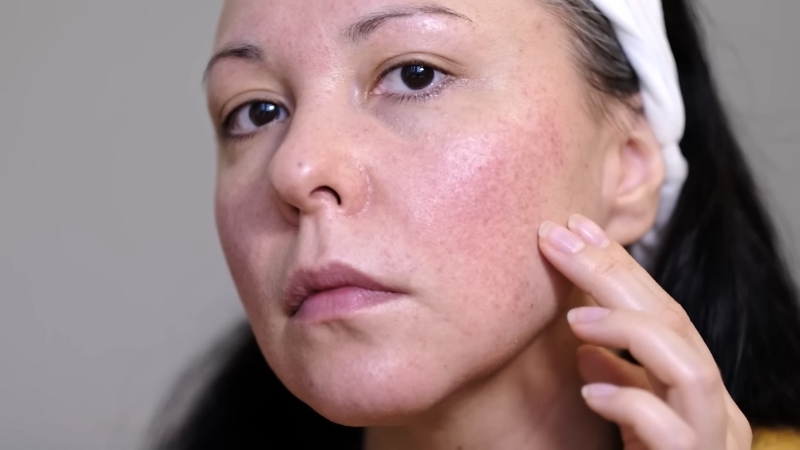
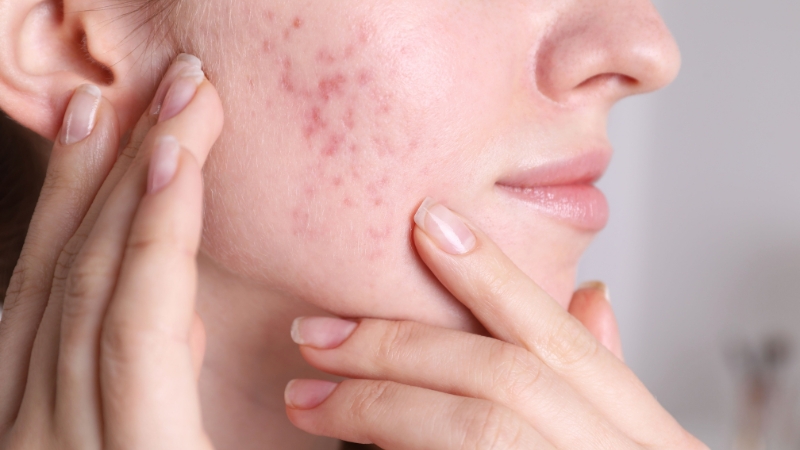
Acne scars develop when inflammation damages the deeper layers of the skin. Severe breakouts, such as cysts and nodules, cause tissue destruction beneath the surface.
During healing, the body either produces too little collagen, creating depressed scars, or too much collagen, leading to raised scars. The final result depends on how each person’s skin heals.
Common types of acne scars include narrow and deep ice-pick scars, wider boxcar scars with defined edges, rolling scars that cause uneven texture, and raised hypertrophic scars.
Each type behaves differently and responds best to specific treatments. This is why scar treatment is never one-size-fits-all.
When looking into acne scars Singapore treatment options, it becomes clear that successful results depend on proper diagnosis, realistic expectations, and a personalized approach based on skin type, scar depth, and overall skin health.
Most Effective Treatments for Acne Scars
Today’s aesthetic clinics offer a wide range of clinically proven scar reduction procedures. These treatments work by stimulating collagen, resurfacing damaged skin, or releasing scar tissue trapped beneath the surface.
- Laser resurfacing is one of the most powerful tools for scar treatment. Fractional CO2 and erbium lasers remove damaged skin layers while triggering deep collagen regeneration. These treatments are especially effective for deeper boxcar and ice-pick scars, although they typically require healing time.
- Microneedling works by creating controlled micro-injuries that stimulate natural collagen production. Over several sessions, skin texture gradually becomes smoother and more even. It works best for rolling scars and mild to moderate scarring.
- Chemical peels use acids to exfoliate damaged outer layers of skin. They are most effective for discoloration, mild surface scarring, and uneven tone rather than deep tissue scars.
- Dermal fillers can instantly lift depressed scars by adding volume beneath the skin. While results are temporary, they are often used alongside laser or microneedling for better long-term improvement.
- Subcision targets the fibrous bands pulling scars downward. By releasing these bands, the skin can naturally rise, reducing visible indentation. It is commonly combined with microneedling or laser for optimal outcomes.
Most patients achieve the best results through combination therapy rather than a single treatment approach.
Daily Habits That Support Better Healing
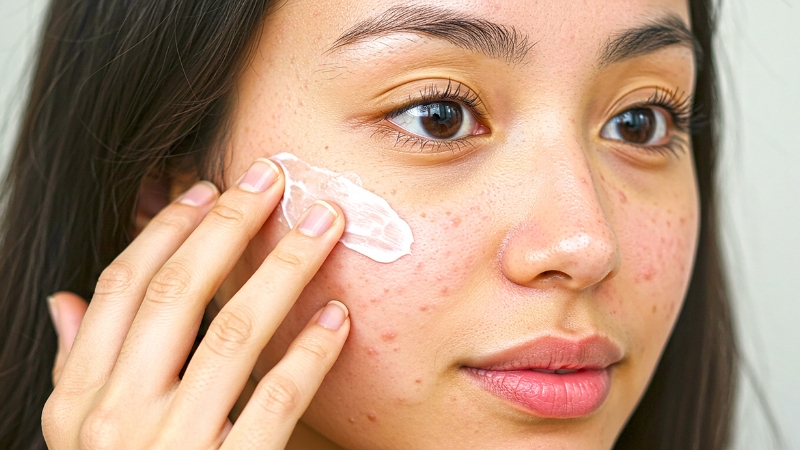
Professional treatments work best when supported by proper daily habits. Gentle skincare protects the skin barrier during healing. Sun protection is especially critical, as UV exposure can darken scars and slow recovery.
A balanced diet rich in vitamin C, zinc, and omega-3 fatty acids supports collagen production.
Proper hydration improves elasticity and healing. Avoiding picking at breakouts prevents new scars from forming. Managing stress is also important, as chronic stress can worsen inflammation and delay skin repair.
When It Is Time to Seek Professional Treatment
Scar treatment should be considered when scars are deep, raised, or persistent despite consistent skincare. Emotional impact is also an important factor.
If scarring affects confidence, social comfort, or self-image, that alone is a valid reason to seek care.
Professional assessment helps determine scar type, treatment options, risks, downtime, and expected results.
Confidence Beyond the Skin
Scar reduction often has effects that reach far beyond physical appearance. Many patients report feeling more comfortable in photos, more relaxed in social settings, and more confident at work.
Visible improvement in skin texture can remove a mental burden that people carry for years.
Treating acne scars is not about chasing perfection. It is about helping people feel like themselves again.
What Realistic Results Look Like Over Time
Scar reduction is a gradual process, not an overnight transformation. Most treatments work by stimulating the skin to rebuild collagen, and that takes time.
In the first few weeks after treatment, the skin may look smoother due to swelling and surface renewal, but true structural improvement usually becomes visible after two to three months. With combination therapies, improvement continues with each session.
Some scars may fade significantly, others may become softer and less noticeable rather than disappearing entirely.
The most important part of the process is understanding that progress happens in stages, and the goal is steady, visible improvement that looks natural, not artificial.
Common Questions About Acne Scar Treatment
Moving Forward With Confidence
View this post on Instagram
Acne scars do not define who someone is, but they can influence how a person feels every day. Today’s medical aesthetic treatments offer real, proven ways to soften scars, restore smoother skin, and rebuild confidence gradually and safely.
When paired with consistent skincare and professional guidance, scar reduction becomes a realistic goal rather than a distant hope.