
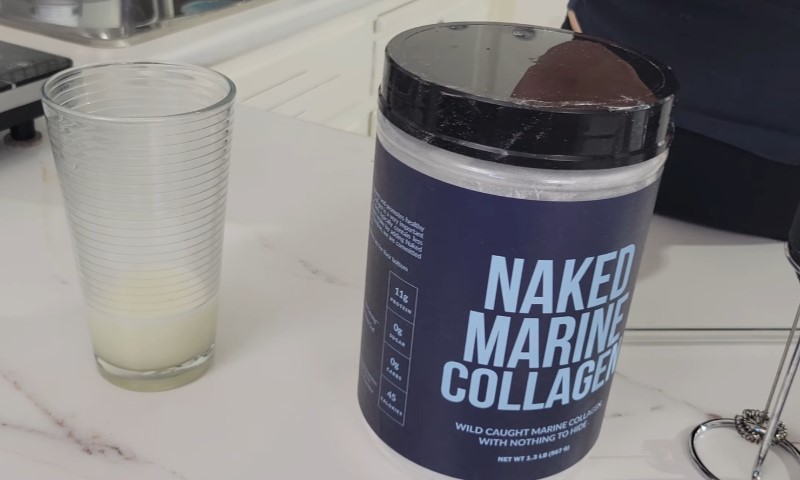
Collagen powders have quietly become part of everyday routines. One scoop in coffee, another in a smoothie, maybe stirred into oatmeal before work. Marketing around collagen often makes the source sound like the deciding factor, as if choosing fish over cow, or vice versa, instantly determines results.
Reality works differently. Source matters for diet, allergies, quality control, and collagen type profile, but it does not override the basics. Collagen remains a protein. Digestion still happens.
Benefits reported in research tend to be modest and depend heavily on dose, consistency, and product quality rather than hype.
Today, we prepared a breakdown of marine versus bovine collagen. Let’s get started.
Collagen Basics Worth Knowing First

Collagen is the most abundant protein in the human body. Skin, tendons, ligaments, cartilage, and bone all rely on collagen for structure and resilience. Supplements rarely contain intact collagen fibers.
Most products use hydrolyzed collagen, also called collagen peptides. Hydrolysis breaks collagen into smaller peptides, so the powder dissolves easily and can be digested more efficiently.
After ingestion, collagen does not travel intact to the skin or joints. Digestion breaks it down into amino acids and small peptides that enter circulation.
Research shows certain collagen-derived peptides can be detected in blood after ingestion and may play signaling roles in connective tissue metabolism. Still, collagen supplements function primarily as a specialized protein source, not as a targeted injection for wrinkles or knee pain.
Keeping expectations grounded makes it easier to evaluate marine and bovine collagen honestly.
Collagen “Types” Explained
Supplement labels frequently highlight collagen types. The shorthand helps, but context matters. According to The Nutrition Source :
- Type I appears abundantly in skin, tendons, and bone
- Type II associates closely with cartilage
- Type III appears in the skin and blood vessels and often accompanies type I in connective tissue
Marine collagen supplements are usually positioned as type I dominant. Bovine collagen products commonly market a blend of type I and type III.
That difference can influence product choice depending on goals, but it does not guarantee superior results on its own.
What Marine Collagen Actually Is

Marine collagen comes from fish by-products such as skin and scales. Supplements typically contain marine collagen peptides produced through hydrolysis.
Scientific reviews describe marine collagen peptides as low-molecular-weight fragments designed for improved solubility and absorption in food and cosmetic applications.
Practical Implications of Marine Collagen
- Fits pescatarian diets
- Unsuitable for people with fish allergies
- Quality depends on sourcing and contaminant control
- Heavy metal concerns exist at a category level, making brand transparency important
Marine collagen often appeals to people focused on skin health and dietary alignment rather than those seeking a universal solution.
What Bovine Collagen Actually Is
According to the EFSA Online Library, Bovine collagen is derived from cows, most often from hides or skin, sometimes from bones or other connective tissues, depending on the manufacturer’s practices. Like marine collagen, bovine collagen sold as a supplement is almost always hydrolyzed.
Practical Implications of Bovine Collagen
- Fits keto, paleo, and many animal-based diets
- Does not fit vegetarian, vegan, or pescatarian preferences
- Sourcing transparency matters due to animal disease concerns
- Often more widely available and less expensive
Concerns around bovine spongiform encephalopathy appear frequently in discussions. Risk assessments focus on raw material categories and processing controls rather than collagen as a concept.
Reputable manufacturers address such concerns through sourcing standards and quality assurance programs.
Differences That Actually Matter in Daily Use
Source choice only matters where it affects real-life use. Daily tolerability, diet fit, quality control, and how a product is actually formulated tend to shape outcomes far more than branding claims.
Collagen Type Profile
Marine collagen products usually emphasize type I. Bovine collagen products usually combine type I and type III.
How to use that information:
- Skin-focused routines often choose type I-heavy products, largely because skin structure relies heavily on type I collagen
- Broader connective tissue support often leads consumers toward type I and III blends
Neither option guarantees better results. Evidence depends on study design, product formulation, and duration of use rather than marketing language.
Absorption and Bioavailability Claims
Marketing frequently claims superior absorption for marine collagen due to lower molecular weight peptides.
Research on collagen hydrolysates shows differences in peptide profiles after ingestion, yet the practical impact remains uncertain.
More important considerations include:
- Hydrolyzed form versus non-hydrolyzed form
- Dose consistency over time
- Product purity and manufacturing quality
Fish versus cow alone rarely determines absorption outcomes in real-world use.
Allergies and Tolerability
Marine collagen presents a clear risk for anyone with a fish allergy. Bovine collagen may cause sensitivity in rare cases, although such reactions receive less public attention.
Across both categories, mild gastrointestinal discomfort ranks among the most commonly reported side effects. Starting with smaller doses often helps assess tolerance.
Contaminants and Quality Control
Dietary supplements do not undergo pre-market approval like prescription drugs. Oversight differs, and quality varies widely across brands. Regulatory agencies caution consumers about contamination risks and labeling inconsistencies.
Research examining marine collagen supplements has measured heavy metal content. A 2025 analysis found levels within safe limits at recommended doses while still emphasizing ongoing monitoring and quality practices.
Since sourcing details rarely appear clearly on packaging, third-party verification remains a practical safeguard. Verification programs exist specifically to confirm identity, purity, and contaminant limits.
Disease Risk and Bovine Sourcing Concerns
Bovine collagen raises questions about animal disease transmission, particularly BSE. Scientific literature acknowledges such concerns broadly for animal-derived biomaterials.
Risk assessments focus on specific tissues and processing methods rather than blanket avoidance.
A practical interpretation:
- Risk-averse consumers may prefer marine collagen or brands offering extensive documentation
- Bovine collagen users should prioritize manufacturers with transparent sourcing, testing protocols, and quality assurance
Fear-based decisions rarely outperform informed ones grounded in documented practices.
What Clinical Research Actually Shows
Clinical research around collagen supplementation has expanded quickly over the past decade, producing a mix of encouraging results and important caveats.
Looking closely at how studies are designed, funded, and measured helps separate realistic benefits from marketing-driven expectations.
Skin Outcomes – Hydration, Elasticity, Wrinkles
The evidence base for skin-related outcomes is larger than many people assume, yet limitations remain.
A 2023 meta-analysis published in Nutrients reviewed 26 randomized controlled trials involving 1,721 participants. Results showed significant improvements in skin hydration and elasticity compared with placebo.
A 2025 meta-analysis covering 23 randomized controlled trials with 1,474 participants also reported improvements. However, a crucial detail emerged.
Independent reviews from academic medical institutions echo a similar position. Signals look promising, yet causality and magnitude remain uncertain due to study design and funding bias.
Marine versus bovine rarely appears as a head-to-head variable in skin trials. Most studies examine hydrolyzed collagen generally. Product quality and adherence often outweigh source selection.
Joint Health and Osteoarthritis
Research on osteoarthritis has expanded rapidly.
A 2024 meta-analysis examining collagen derivatives reported supportive evidence for pain reduction and functional improvement in osteoarthritis. A 2025 meta-analysis focused on knee osteoarthritis found that oral collagen administration improved pain and function scores.
One 2025 randomized controlled trial published in Frontiers in Nutrition used a daily dose of 3,000 mg of low-molecular-weight collagen peptides for 180 days. Participants with mild to moderate knee osteoarthritis experienced improvements in pain and function.
An important nuance appears here. Many joint studies use specific collagen derivatives or formulations rather than generic marine or bovine powders. Undenatured type II collagen, often sourced from chicken sternum, represents a separate category altogether.
For joint-focused goals, collagen type and formulation studied matter more than fish versus cow branding.
Bone, Muscle, Hair, and Nails
Early evidence exists across bone density, nail strength, and hair parameters, but conclusions remain preliminary. Collagen contributes amino acids but does not function as a complete protein optimized for muscle-building protocols.
Framing collagen as a connective tissue supplement rather than a primary protein source aligns better with available data.
Marine vs. Bovine Collagen at a Glance
| Category | Marine collagen | Bovine collagen |
| Source material | Fish skin, scales, by-products | Cow hide or skin, sometimes other tissues |
| Typical type profile | Often marketed as type I dominant | Often marketed as type I and III |
| Diet compatibility | Pescatarian-friendly | Not pescatarian or vegetarian |
| Allergy considerations | Unsuitable for fish allergy | Rare animal protein sensitivity |
| Quality concerns | Heavy metals and sourcing variability | Sourcing transparency and disease risk controls |
| Evidence advantage | No clear universal winner | No clear universal winner |
The broader evidence supports hydrolyzed collagen peptides for modest benefits in certain populations rather than any single source as inherently superior.
Choosing Based on Real-World Priorities

Supplement choice works best when guided by everyday factors like diet, tolerance, budget, and long-term consistency, rather than abstract claims or marketing language.
Marine Collagen May Suit You If:
- Pescatarian dietary alignment matters
- Fish proteins are well-tolerated
- A type I-focused supplement fits skin-related goals
- Third-party testing and sourcing transparency are available
Marine collagen should be avoided in the presence of a fish allergy.
Bovine Collagen May Suit You If:
- Type I and III blends align with connective tissue goals
- Cost, availability, and neutral flavor matter
- Reliable sourcing documentation is accessible
Concerns about animal disease risk call for careful brand selection rather than automatic avoidance.
Joint-Specific Goals Deserve a Separate Look
People focused on osteoarthritis symptoms may benefit from evaluating collagen derivatives or type II-focused products studied specifically for cartilage outcomes. Defaulting to a general collagen powder may not match the evidence base for joint relief.
Dose and Timeline Expectations
Across reviews and clinical trials, effective daily intakes commonly range from 2.5 g to 10 g of collagen peptides. Skin studies often evaluate outcomes over 8 to 12 weeks. Joint studies may extend longer.
One knee osteoarthritis trial used 3,000 mg daily for 180 days. Results unfolded gradually rather than rapidly.
Promises of dramatic changes within days conflict with the research timeline. Consistency over months aligns better with reported outcomes.
Picking a Supplement That Stands a Chance of Working

Supplement results vary widely, often because quality and sourcing vary just as much. A few practical filters help separate products built on solid manufacturing from ones riding marketing alone.
Third-Party Verification Matters
Independent testing programs verify identity, purity, and contaminant limits. Given the variability in supplement quality, such verification offers a practical filter.
Transparency Should Match Risk Tolerance
A credible collagen brand should disclose:
- Animal source and geographic origin
- Raw material category
- Batch testing practices and access to certificates of analysis
Marine collagen buyers place trust in fisheries and contaminant monitoring. Research suggests safe levels at recommended doses in tested products, yet brand responsibility remains essential.
Expectations Should Mirror Evidence
Current research paints collagen supplementation as promising yet uncertain. Benefits appear modest, population-specific, and influenced by funding bias. Academic reviews emphasize caution rather than enthusiasm alone.
Safety Notes Worth Reading Twice
- Pregnancy, nursing, chronic conditions, or multiple medications call for medical guidance before supplement use
- Allergic reactions require immediate discontinuation
- Competitive athletes should prioritize supplements screened for banned substances
Bottom Line
Marine and bovine collagen differ most in diet compatibility, allergy risk, collagen type emphasis, and supply-chain considerations.
Research supports hydrolyzed collagen peptides for modest improvements in skin hydration, elasticity, and osteoarthritis symptoms, while also highlighting limitations and funding bias.
Source alone does not determine outcomes. Product quality, formulation, dose, and consistency carry greater weight.
Choosing between marine and bovine collagen works best when grounded in personal dietary needs, tolerance, and transparent manufacturing practices rather than marketing promises.