
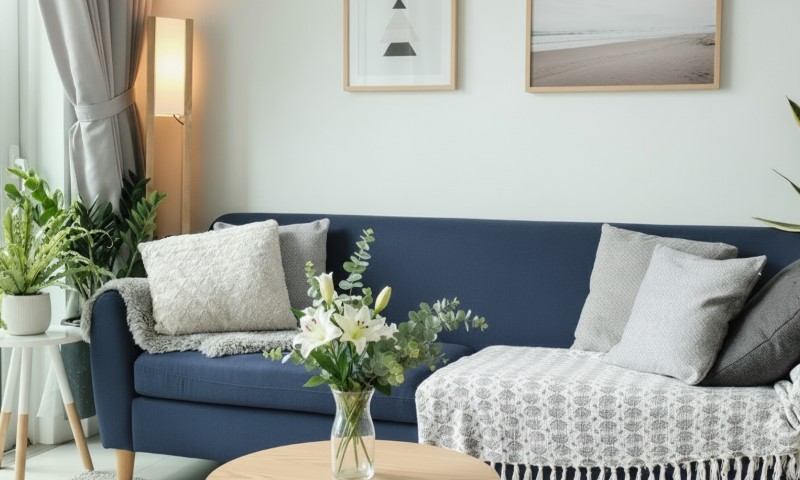
Yes, home décor can measurably reduce stress when it is designed around light exposure, acoustics, materials, spatial clarity, and sensory regulation.
Multiple studies from environmental psychology and public health show that everyday visual and physical surroundings influence cortisol levels, heart rate variability, sleep quality, and perceived mental fatigue. The ten décor ideas below are not aesthetic trends.
Each is grounded in research and explains how specific design choices inside the home can lower stress responses, reduce cognitive overload, and support emotional regulation over time.
1. Natural Light Prioritization Over Artificial Brightness
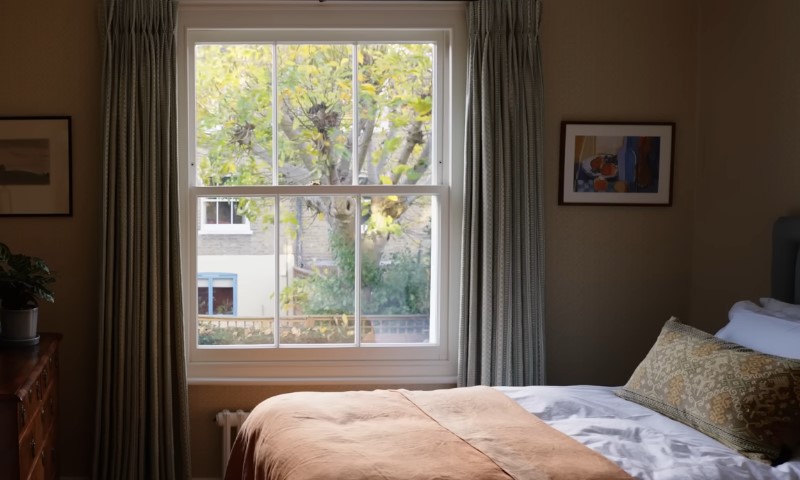
Homes that receive consistent daylight exposure are associated with lower rates of depressive symptoms and improved sleep-wake regulation. A 2014 study published in the Journal of Clinical Sleep Medicine found that people working or living in daylight-rich environments slept an average of 46 minutes more per night than those without adequate natural light.
Décor choices that support this include right fabric choice, opt for sheer curtains instead of blackout fabrics during daytime hours, lighter wall colors that reflect daylight deeper into rooms, and furniture placement that avoids blocking window paths. Stress reduction occurs because natural light reinforces circadian rhythm stability, which directly affects cortisol release patterns throughout the day.
| Factor | Measured Effect |
| Daylight exposure | Improved melatonin timing |
| Reflected light surfaces | Reduced visual strain |
| Window access | Lower daytime fatigue |
2. Visual Simplicity Through Reduced Object Density
High object density increases cognitive load even when a person is not consciously processing it. A UCLA study on household environments found that women living in visually cluttered homes had higher cortisol levels throughout the day compared to those in simplified spaces. Décor-driven decluttering does not mean empty rooms.
It means limiting visible items to what is functionally or emotionally relevant, using closed storage instead of open shelving, and grouping objects to reduce visual noise. Stress reduction here comes from fewer micro-decisions and less constant sensory scanning by the brain.
| Room Type | Recommended Visible Item Count |
| Living room | 8–12 objects |
| Bedroom | 5–8 objects |
| Home office | 6–10 objects |
3. Use of Natural Materials With Tactile Warmth
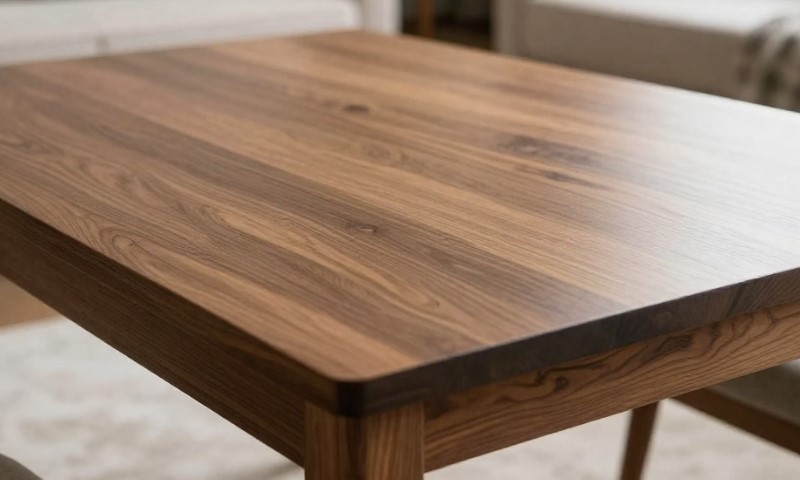
Materials matter physiologically. Research from the University of British Columbia shows that exposure to natural materials like wood lowers sympathetic nervous system activation compared to plastic or metal surfaces.
Wood, wool, cotton, linen, and stone provide subtle texture variation that the brain interprets as non-threatening and familiar. Replacing glossy synthetic finishes with matte natural ones reduces sensory sharpness, which in turn lowers baseline arousal levels. This effect is especially strong in bedrooms and sitting areas where the body is meant to downshift.
| Material | Stress Response Impact |
| Solid wood | Lower heart rate |
| Linen and cotton | Reduced tactile irritation |
| Stone | Perceived environmental stability |
4. Controlled Color Palettes With Low Saturation
Color saturation influences nervous system activation. Highly saturated reds and yellows increase alertness and heart rate, while muted blues, greens, and warm neutrals promote parasympathetic response.
A 2020 review in Frontiers in Psychology confirmed that low-saturation color environments are linked to lower anxiety ratings in residential settings. Stress-reducing décor uses a limited palette across rooms to avoid constant visual recalibration.
| Color Family | Physiological Effect |
| Muted blue | Lower blood pressure |
| Soft green | Reduced anxiety markers |
| Warm beige | Emotional neutrality |
5. Acoustic Softening Through Textiles and Surfaces
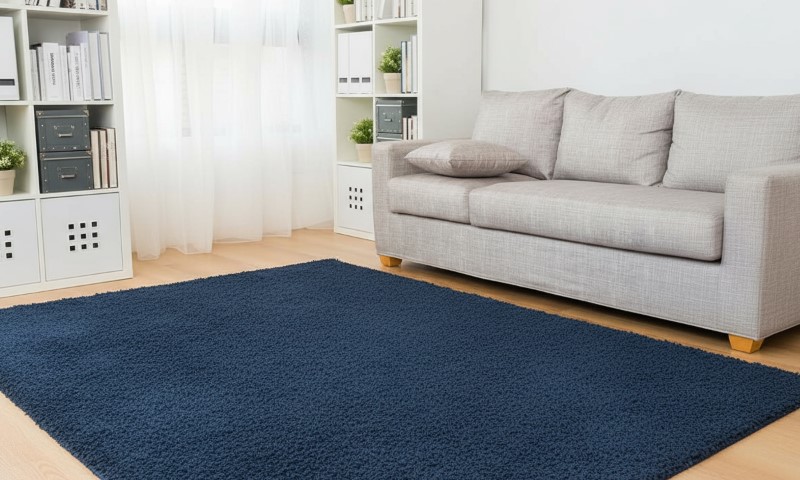
Noise is a major but often invisible stressor. The World Health Organization classifies chronic indoor noise exposure above 40 dB as a contributor to sleep disturbance and stress-related symptoms.
Décor elements such as area rugs, upholstered furniture, wall hangings, and thick curtains absorb sound waves and reduce reverberation. This creates quieter micro-environments where the nervous system does not stay in alert mode.
| Décor Element | Noise Reduction |
| Area rugs | 20–30 percent |
| Heavy curtains | Up to 40 percent |
| Upholstered seating | Moderate absorption |
6. Artificial Olive Tree as a Low-Stimulation Biophilic Substitute
Not all homes can support live plants due to low light, allergies, pets, or maintenance constraints, yet the stress-reduction mechanism behind biophilic design does not rely solely on living vegetation. Multiple environmental psychology studies have shown that an artificial olive tree still produces measurable calming effects.
A 2019 experiment published in Environment and Behavior found that participants exposed to realistic artificial plants experienced reduced mental fatigue and lower self-reported stress compared to rooms with no natural references at all. The key variables were shape realism, muted coloration, and placement within the primary visual field.
| Feature | Stress-Related Impact |
| Muted green-gray leaves | Low visual arousal |
| Organic branching structure | Improved visual comfort |
| Static form | No maintenance-related stress |
| Vertical presence | Gentle spatial grounding |
This type of décor element supports stress reduction not by decoration alone, but by reinforcing
7. Biophilic Elements That Reference Nature Indoors
Biophilic design is supported by decades of research showing that even indirect contact with nature reduces stress hormones. A NASA-backed study originally focused on air quality also found that indoor plants improve perceived comfort and mood.
Visual exposure to plants has been linked to lower systolic blood pressure and faster stress recovery after cognitive tasks. The effect is strongest when plants are placed within the primary visual field rather than in hidden corners.
| Biophilic Feature | Observed Benefit |
| Leafy plants | Faster stress recovery |
| Natural shapes | Lower mental fatigue |
| Organic patterns | Improved focus |
8. Clear Spatial Zoning to Reduce Mental Overlap
Stress increases when the brain cannot distinguish between rest, work, and activity zones. During the rise of remote work after 2020, studies showed higher burnout levels among people working in visually undefined spaces.
Décor can create psychological boundaries using rugs, lighting changes, shelving placement, or furniture orientation. This reduces role confusion and allows the brain to switch states more efficiently.
| Zone | Key Décor Indicator |
| Rest | Soft lighting, low seating |
| Work | Task lighting, upright furniture |
| Leisure | Flexible seating, warmer tones |
9. Adjustable Lighting With Warm Evening Profiles
View this post on Instagram
Exposure to cool, bright light in the evening suppresses melatonin production. Harvard Medical School research has shown that blue-heavy lighting delays sleep onset and increases nighttime alertness.
Stress-aware décor includes layered lighting with warm color temperatures below 3000K in the evening. Table lamps, floor lamps, and wall sconces provide localized light that allows the rest of the room to remain calm.
| Light Type | Best Use Time |
| 5000K overhead | Morning |
| 3000K ambient | Evening |
| 2200K accent | Pre-sleep |
10. Bedroom Décor Designed Explicitly for Nervous System Downshift
The bedroom has the strongest link to stress regulation because it directly affects sleep quality. According to the National Sleep Foundation, environmental factors account for over 30 percent of reported sleep disturbances.
Décor that reduces stress in bedrooms includes minimal wall décor, soft textures, the absence of work-related objects, and consistent color temperature lighting. The goal is not beauty but neurological signaling that the environment is safe for rest.
| Bedroom Feature | Stress Impact |
| Visual simplicity | Faster sleep onset |
| Soft materials | Lower muscle tension |
| Warm lighting | Improved sleep depth |