
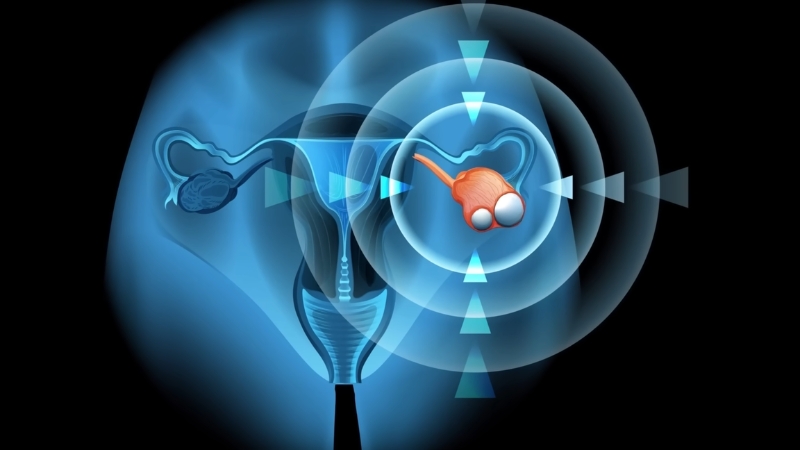
Laparoscopic ovarian cyst surgery is a minimally invasive procedure performed to remove symptomatic ovarian cysts through small abdominal incisions.
Surgeons use specialized instruments and a camera to visualize and treat the cyst while limiting tissue disruption.
Most patients return home on the same day after the procedure.
Recovery differs from person to person, yet most individuals experience predictable stages that include temporary pain, abdominal bloating, and temporary limits on activity.
Physical comfort typically improves gradually over days to weeks.
Immediate Postoperative Recovery First 24 to 48 Hours
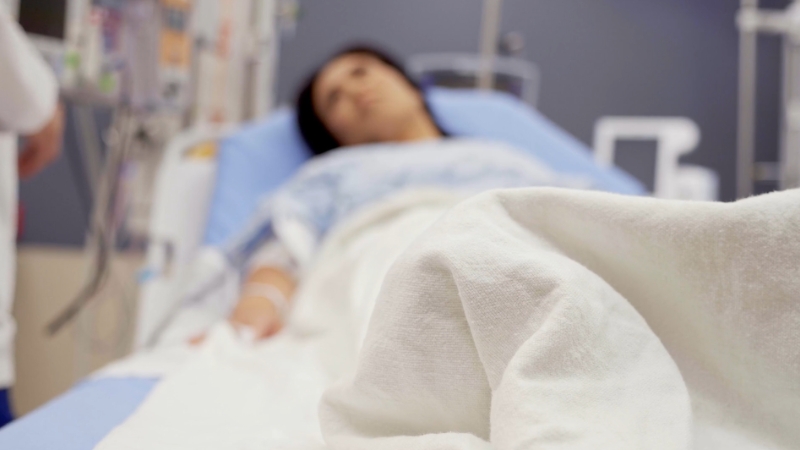
The first two days after laparoscopic ovarian cyst surgery focus on stabilization, symptom control, and safe transition home.
Most patients are discharged on the same day, yet careful attention during early recovery plays an important role in preventing complications and supporting comfort.
Effects of anesthesia often include drowsiness, grogginess, and mild nausea as medications wear off.
Alertness improves steadily during the first day, although concentration and reaction time may remain reduced for 24 hours.
Common short-term effects can include:
Eating light meals and drinking clear fluids as tolerated can help ease nausea.
Driving, signing important documents, or making major decisions should be avoided during this early window.
Hospital monitoring usually lasts a few hours. Vital signs are observed, pain levels are assessed, and urination is confirmed before discharge.
Instructions typically reviewed prior to leaving include:
Early symptoms commonly include mild soreness around the incision sites and generalized abdominal discomfort.
Sensations may resemble muscle soreness, cramping, or pressure inside the abdomen. Mild swelling or bruising around small incision areas can also occur.
Gentle movement is encouraged soon after surgery. Short, slow walks help promote circulation and reduce the risk of blood clots.
Light movement can also help relieve gas discomfort that builds up after laparoscopic procedures. Prolonged bed rest is not recommended unless specifically advised.
Incision care is important during this phase. Keep surgical sites clean and dry.
Showers are usually permitted within a day or two, yet soaking in baths, swimming pools, and hot tubs should be avoided until incisions are fully healed and cleared by a healthcare provider.
Redness that spreads, increasing pain, drainage with odor, or fever should prompt medical contact.
Pain After Laparoscopic Ovarian Cyst Surgery
Pain patterns after laparoscopy are generally predictable and manageable.
Smaller incisions and limited tissue disruption contribute to lower pain levels compared with open abdominal surgery.
Typical Pain Patterns
Abdominal pain and cramping are common during the first few days. Discomfort is usually mild to moderate and gradually improves.
Coughing, laughing, or changing positions may temporarily increase soreness.
Pain caused by residual carbon dioxide gas is also common. Gas used to inflate the abdomen during surgery can irritate the diaphragm.
That irritation may lead to:
Shoulder discomfort can feel sharp or aching and often improves with walking and upright positioning.
Pain Duration
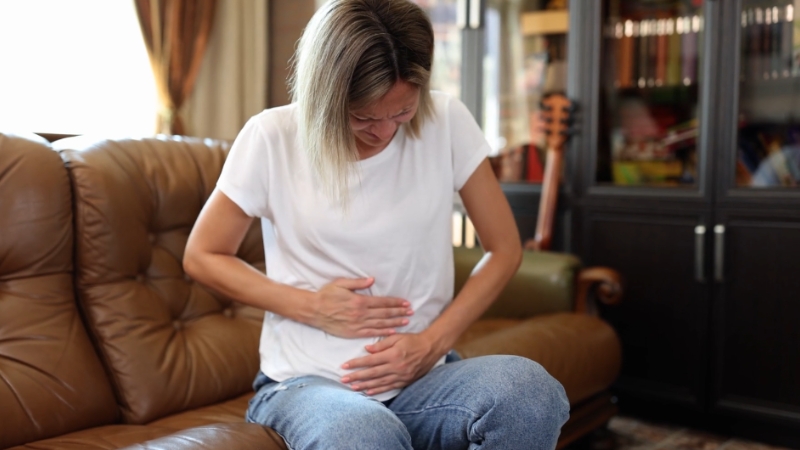
Noticeable improvement often occurs within several days to one to two weeks.
Many patients report meaningful relief during this time as inflammation decreases and tissues heal.
Complete symptom resolution may take up to four weeks or longer for some individuals.
Factors that can influence duration include cyst size, extent of surgical removal, and personal healing response.
In some cases, internal scar tissue formation may contribute to ongoing tightness or discomfort.
When mobility restrictions or tissue adherence develop, scar tissue physical therapy may help restore flexibility and improve comfort during recovery.
Pain Management
Effective pain control supports mobility and overall recovery.
Prescribed or recommended pain medications should be taken as directed.
Options may include acetaminophen, nonsteroidal anti-inflammatory drugs if approved, or short-term prescription pain relievers.
Additional comfort measures may include:
Aspirin should be avoided unless approved by a doctor, since it can increase bleeding risk after surgery.
Severe pain that worsens rather than improves should be evaluated promptly.
Bloating and Other Common Post-Surgery Symptoms
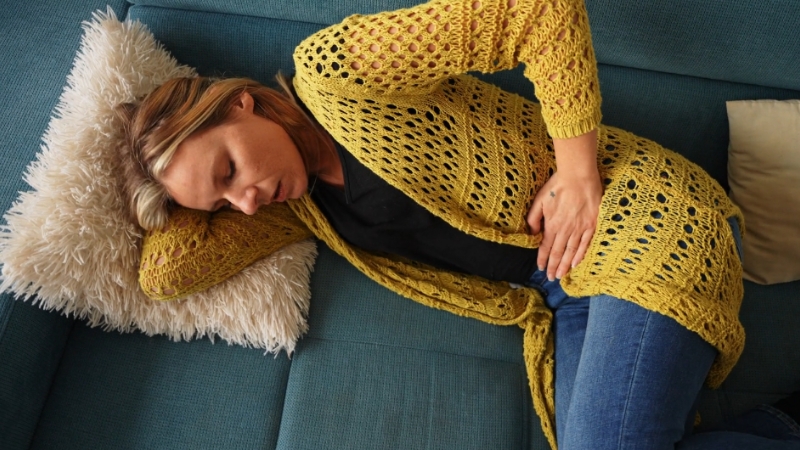
Physical recovery involves more than incision healing. Temporary systemic symptoms are common as the body adjusts after surgery.
Bloating and Gas
Abdominal bloating frequently occurs after laparoscopic procedures due to remaining surgical gas.
Sensation of fullness, tightness, or visible abdominal swelling may persist for several days.
Walking and gentle stretching can assist the body in absorbing residual gas.
Shoulder tip pain linked to diaphragm irritation typically resolves within a few days as gas dissipates naturally.
Other Common Symptoms
Fatigue is common as the body directs energy toward healing. Lower energy levels may last several days or even a couple of weeks.
Adequate sleep and gradual return to routine activities support recovery.
Light vaginal bleeding or discharge can occur during recovery. Bleeding should gradually decrease over time.
Heavy bleeding, large clots, or foul odor require medical evaluation.
Digestive changes may develop due to anesthesia, reduced activity, and certain pain medications. Common issues include:
Increasing fluid intake, consuming fiber as tolerated, and walking can help improve bowel function.
Emotional changes may also appear temporarily. Physical stress and hormonal shifts can affect mood, leading to irritability, tearfulness, or anxiety.
Symptoms often improve as physical recovery progresses.
When You Can Resume Daily Activities
View this post on Instagram
Gradual return to normal routines supports healing while reducing the risk of strain.
Listening to physical cues remains essential during each stage of recovery.
Light Activities
Walking can resume soon after surgery and is encouraged to support circulation and reduce bloating.
Short walks several times per day are beneficial during the first week.
Light daily tasks often resume within a few days to one week, depending on comfort level.
Activities generally considered appropriate early on include:
Activities that strain abdominal muscles should still be limited.
Return to Work

Return to non-strenuous work commonly occurs within about one week after laparoscopic surgery.
Desk jobs and roles without heavy physical demands are often manageable once pain is controlled and energy improves.
Physically demanding jobs may require additional recovery time. Lifting, prolonged standing, or repetitive bending can stress healing tissues.
Clearance from a surgeon should be obtained before resuming strenuous duties.
Exercise and Strenuous Activity
Exercise progression should occur gradually.
Light exercise, including gentle stretching or low-intensity movement, may resume around one to two weeks after surgery if pain continues to improve.
Vigorous activities such as running or intense workouts generally resume after about two weeks in uncomplicated cases.
Any increase in pain, swelling, or bleeding signals a need to slow down.
Heavy lifting and intense workouts are often delayed for four to six weeks, depending on surgical instructions and individual healing progress.
Before advancing to higher intensity routines, consultation with a surgeon helps confirm that internal healing is sufficient for added strain.
The Bottom Line
@thefibroiddoc Replying to @Missfitmom✨ Lets discuss post- op reovery for an ovarian cyst removal: 👍🏼 typically two weeks or less for a laparoscopic or robotic procedure 👍🏼can be upto 6-8,weeks for an open procedure #ovarian cyst #surgery #recovery #symptoms #robotic #laparoscopic #2weeks #openprocedure #symptoms #size ♬ original sound – Cheruba Prabakar, MD FACOG
Recovery timelines vary based on individual factors, cyst size, and surgical complexity.
Most patients experience manageable pain and temporary bloating that decreases over days to weeks.
Gradual return to activity, guided by symptom improvement and medical advice, supports proper healing. Follow up with a healthcare provider if symptoms persist longer than expected or worsen during recovery.