Retinol continues to dominate anti-aging skincare due to its proven ability to smooth wrinkles, fade discoloration, and improve skin texture.
Bakuchiol emerged as a plant-derived option offering similar visible improvements without the harsh side effects commonly associated with vitamin A derivatives.
Over recent years, popularity surged among consumers seeking gentle solutions compatible with sensitive skin and clean beauty values.
Natural skincare innovation has accelerated in 2026, introducing advanced botanical actives and hybrid formulations.
Is Bakuchiol Being Replaced or Reinforced in 2026?
Bakuchiol continues to hold a strong position within modern products, yet its role has changed. Formulations increasingly treat it as a supportive active rather than a standalone solution.
Pairing bakuchiol with complementary ingredients allows brands to deliver broader performance while preserving its gentle profile.
Modern serums frequently rely on ingredient pairings designed to target multiple pathways at once, including hydration, collagen support, and barrier repair.
- peptides that reinforce firmness and elasticity
- ceramides that support barrier integrity
- fermented botanicals that improve ingredient absorption and skin resilience
Botanical innovation has also expanded significantly, introducing alternatives that address concerns that bakuchiol does not fully target on its own.
Several plant-based actives now compete for formulation space due to their ability to influence stress response, inflammation, and microbiome balance.
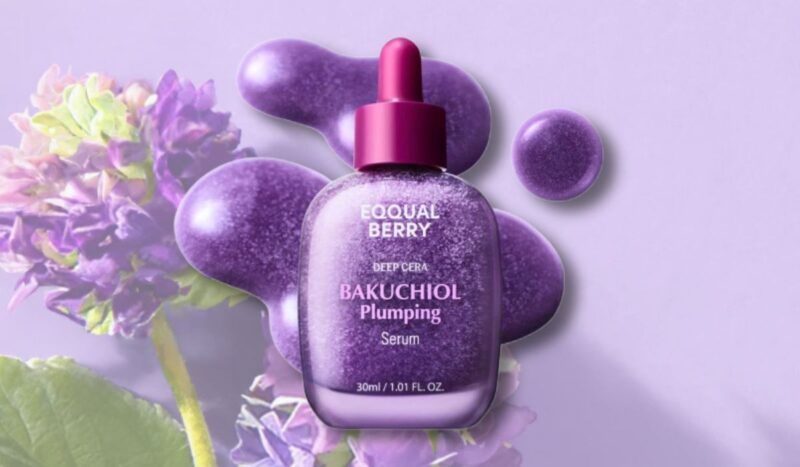
@jilliangottlieb Too sensitive for retinol/retinoid you have to try Bakuchiol! @Eqqualberry #eqqualberrypartner #bakuchiol #skincare ♬ original sound – Jillian Gottlieb
- Ashwagandha is linked to reduced stress-related aging and barrier fatigue
- Sandalwood, valued for its calming effects and inflammation control
- Fermented complexes using reishi, centella asiatica, and mugwort to enhance bioavailability and microbiome support
Product direction in 2026 favors hybrid systems driven by ingredient cooperation rather than reliance on a single hero active.
Where Bakuchiol Fits in 2026?
Bakuchiol continues to perform best as part of balanced formulations focused on skin tolerance and consistency. Pairing it with barrier-supportive and hydrating components enhances comfort while maintaining efficacy across long-term use.
- hyaluronic acid, ceramides, and squalane to reinforce hydration and barrier comfort
- niacinamide and peptides to improve tone, elasticity, and resilience
- gentle vitamin C formulations designed to avoid irritation
- PHAs and mild exfoliants that support renewal without disrupting skin balance
Not all combinations support optimal results. Certain actives can increase sensitivity or compromise stability when layered with bakuchiol.
- strong acids like glycolic acid, known to heighten irritation risk
- potent retinoids, including tretinoin, which may overwhelm sensitive skin
- benzoyl peroxide, capable of destabilizing botanical actives
Photostability and low irritation potential allow flexible use. Morning and evening application remains suitable, with usage up to twice daily, fitting easily into most routines.
Bakuchiol vs. Retinol – Then and Now
Comparison between bakuchiol and retinol remains central to discussions around botanical anti-aging options. Clinical data continues to support bakuchiol as an effective alternative for users prioritizing tolerance.
Research published in 2018 demonstrated comparable improvements between bakuchiol and retinol in visible signs of aging. Reduction in fine lines and hyperpigmentation occurred without the irritation typically associated with retinoids.
Multiple biological actions contribute to these outcomes.
- Type I is associated with firmness
- Type III is linked to elasticity
- Type IV is supporting skin structure
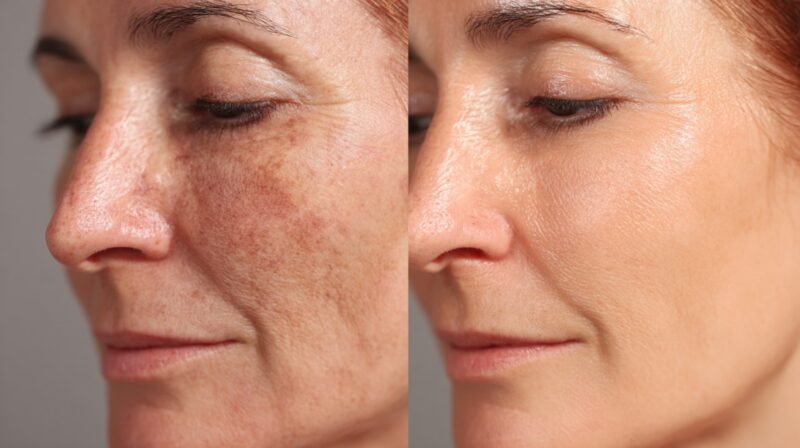
Improved elasticity combines with better moisture retention, resulting in smoother and more resilient skin over time.
Tolerance remains a defining advantage. Broad suitability across skin types positions bakuchiol as a dependable option for sensitive, dry, or rosacea-prone users. Occasional irritation still occurs, reinforcing the need for patch testing prior to consistent use.
Photosensitivity presents another key distinction. Retinol degrades under sunlight and increases UV vulnerability, requiring strict nighttime use and daily sun protection.
Bakuchiol maintains stability under light exposure, supporting safe use during both morning and evening routines.
Pregnancy-safe status further differentiates bakuchiol. Avoidance of vitamin A derivatives during pregnancy or breastfeeding makes bakuchiol a preferred choice during these periods.
Limitations remain important to acknowledge. Retinal, a stronger vitamin
A derivative, often produces faster and more dramatic changes. Bakuchiol favors gradual improvement built through consistency rather than rapid correction.
Shorter clinical history also leaves fewer long-term studies available compared to retinoids.
Market Adoption and Product Innovation
View this post on Instagram
Clean beauty positioning continues to support widespread use of bakuchiol. Brands focused on non-toxic, vegan, and sensitive-skin formulations rely on it as a familiar and trusted botanical active.
Product expectations in 2026 have shifted significantly. Single-ingredient serums no longer meet consumer demand for comprehensive results.
- skin longevity
- barrier repair
- microbiome balance
Bakuchiol commonly appears as one component within these broader systems rather than functioning alone.
Modern product development favors plant-derived actives combined with advanced cosmetic science to achieve visible performance while maintaining skin comfort.
Competitive differentiation now depends on formulation intelligence rather than reliance on any single ingredient, positioning bakuchiol as a valuable contributor rather than a solitary solution.
Is Bakuchiol Still the Best Botanical Retinol Alternative?
Bakuchiol remains best-in-class for sensitive or reactive skin types, rosacea-prone individuals, and users avoiding irritation. Pregnancy and breastfeeding compatibility continue to reinforce its value.
Clean and vegan skincare consumers benefit from its gentle yet effective profile.
Leadership status has shifted in 2026. Bakuchiol no longer dominates as a standalone solution.