Rejuvenation treatments aim to restore a fresher, more lifted, and well-rested appearance by addressing changes in skin quality, facial volume, and structural support.
Many people seek these procedures to enhance confidence, feel more aligned with how they see themselves, and maintain an energized look.
Growing interest in non-invasive and minimally invasive options has made rejuvenation more accessible than ever.
Realistic expectations, skilled guidance, and tailored planning remain essential for safe and satisfying outcomes.
How to Find the Right Clinic or Practitioner
Choosing a provider plays a major role in outcome quality and overall safety.
Strong qualifications, medical training, and proper certification indicate a practitioner prepared to deliver responsible care.
Safe, approved products and evidence-based techniques further protect long-term well-being.
Clear communication helps build trust. A skilled provider explains limits, clarifies realistic outcomes, and outlines possible risks.
Comfort within the clinic environment supports a positive experience; patients should feel listened to, informed, and encouraged to ask questions.
Transparent pricing without hidden costs helps avoid uncertainty and allows for better planning.
One excellent example is Paul F. Fortes MD Plastic Surgery, a double-board-certified plastic surgeon in Houston who combines over two decades of surgical experience with an artistic vision to deliver personalized, confidence-boosting results.
A helpful evaluation framework often involves
- reviewing before-and-after work for consistency and natural results
- discussing product types, techniques, and expected recovery
- confirming that emergency protocols and safety measures are in place
Types of Rejuvenation Treatments
Rejuvenation approaches fall into two broad categories: non-surgical and surgical.
Non-surgical methods focus on improving skin quality, volume balance, and mild laxity with little to no downtime.
Surgical procedures address bigger structural changes that non-surgical tools cannot fully correct.
Many individuals combine both categories over time to maintain a balanced and refreshed appearance.
Overall success depends on choosing methods that fit personal goals, anatomy, and tolerance for recovery time.
Non-Surgical Options
Non-surgical care suits individuals who prefer gradual, natural-looking improvement with minimal interruption to daily routines.
Many people choose these treatments for early prevention, routine maintenance, or long-term complexion enhancement.
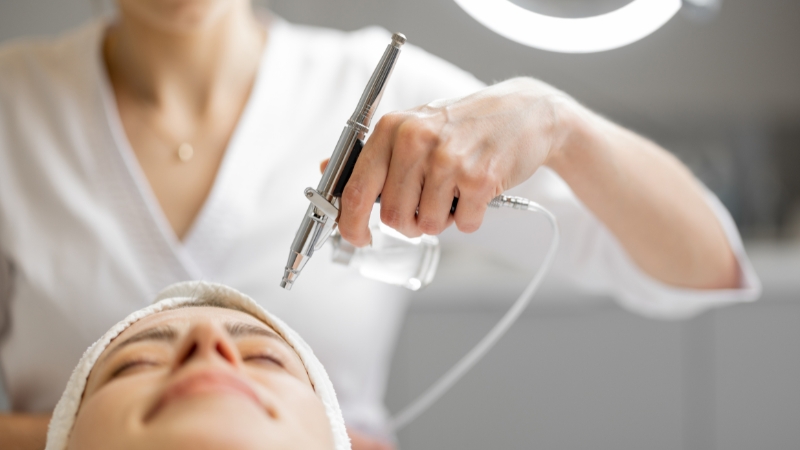
HydraFacial
HydraFacial treatments provide cleansing, exfoliation, extraction, and hydration in a single appointment.
A patented device delivers serum infusion while removing impurities, supporting smoother texture and improved brightness.
Many individuals use this method to maintain clarity and vitality year-round.
Because HydraFacial involves multiple simultaneous actions, it can include elements such as:
- Exfoliation that removes buildup and dull surface cells
- Infusion of antioxidants, peptides, and hydrating agents
- Gentle vacuum-assisted extraction to clear pores
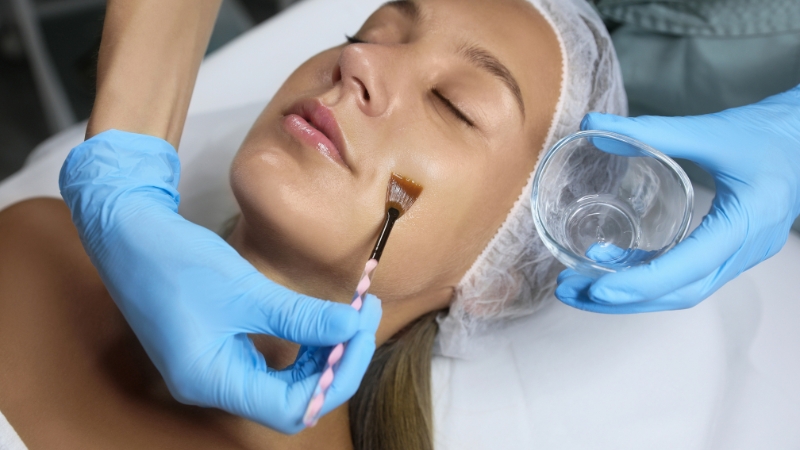
Chemical Peels
Chemical peels use controlled exfoliation to improve tone, texture, and pigmentation irregularities.
Strength varies, allowing gentle brightening or more intensive renewal depending on skin needs.
Peels help undo the effects of sun exposure and surface roughness, making them a core option in many treatment plans.
Epi-Blading
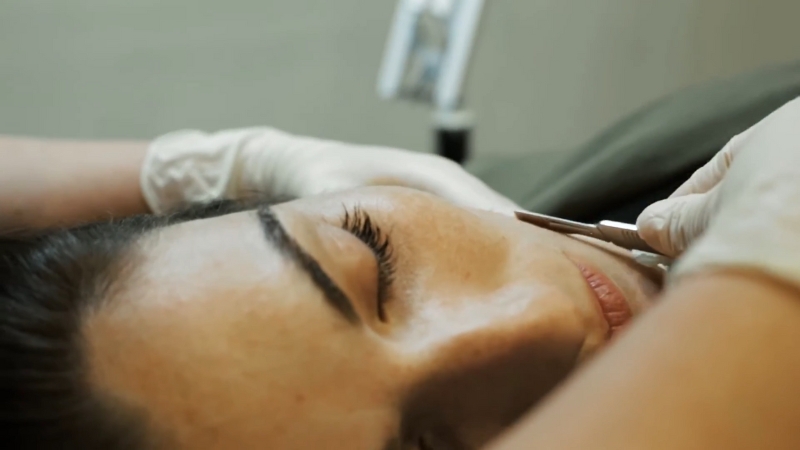
Epi-blading, often called dermaplaning, uses a specialized tool to remove dead skin cells and fine facial hair.
Skin immediately appears smoother, makeup applies more evenly, and glow increases.
Many people pair epi-blading with peels or facials to boost treatment absorption.
LED Facials
LED facials employ specific light wavelengths to support cellular repair, reduce redness, and encourage collagen activity.
Sessions are comfortable and require no recovery time. Benefits accumulate with repeated treatments.
Microneedling with RF
Microneedling with RF penetrates deeper layers to stimulate collagen and elastin.
Controlled microchannels combined with radiofrequency energy improve firmness, reduce texture irregularities, and refine elasticity.
This method suits those seeking noticeable yet gradual tightening without surgery.
Botox
View this post on Instagram
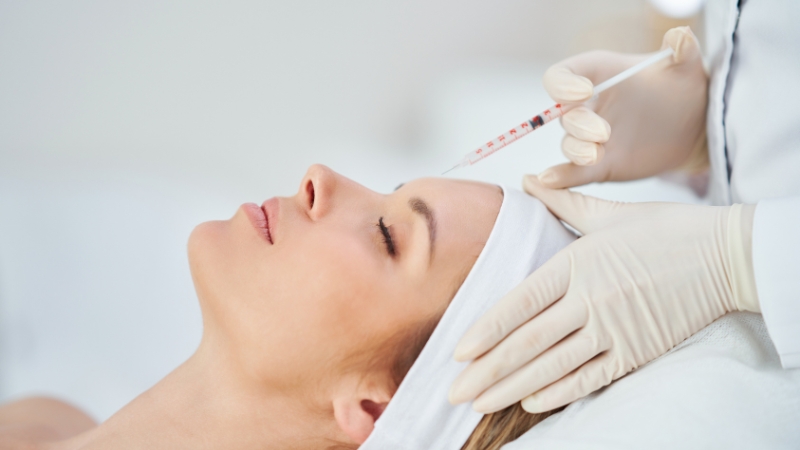
Botox reduces the movement that creates expression lines in areas such as the forehead, glabella, and crow’s feet.
Softening repetitive motion allows wrinkles to lessen or fade over time. Many individuals begin Botox early to maintain smoother skin long-term.
Dermal Fillers
Dermal fillers restore volume and contour in areas affected by aging changes.
Hyaluronic acid fillers add shape to lips, cheeks, chin, and under-eye hollows.
Strategic placement helps create lift and balance across the face.
PDO Threads
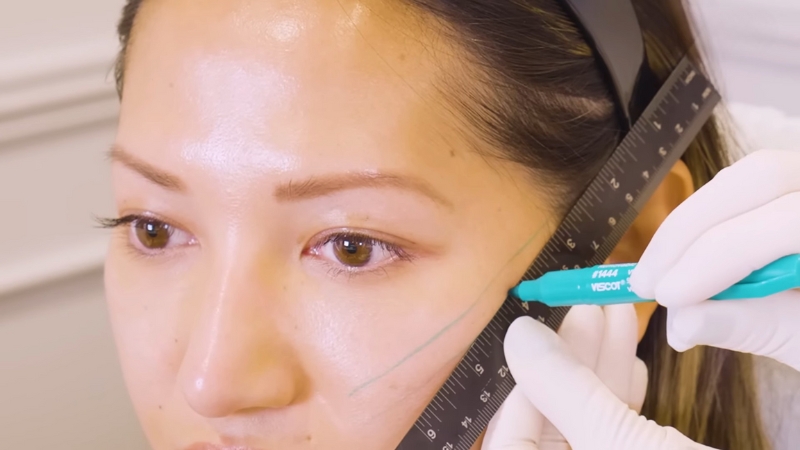
PDO threads offer a minimally invasive lift by gently repositioning tissue and encouraging collagen production as they dissolve.
Results continue developing for months, making threads a useful bridge between non-surgical and surgical care.
Creating a Combined Non-Surgical Plan
Successful non-surgical rejuvenation often relies on pairing modalities.
Once a provider reviews skin condition, anatomy, and goals, a structured plan can incorporate several approaches.
When presented in structured form, common combinations may involve:
- surface renewal for clarity and brightness
- volume enhancement to correct hollowing
- collagen-stimulating techniques to support firmness
Custom plans ensure each selection matches the aging stage, visible concerns, and preferred pace of improvement.
Surgical Options
Surgical rejuvenation suits individuals whose concerns arise from bigger structural changes, including tissue descent, muscle laxity, and bone-related volume shifts.
Non-surgical methods cannot fully reposition underlying layers, so surgical approaches often deliver more transformative and long-lasting correction.
Proper assessment determines which procedures fit the facial anatomy and goals.
Full Facelift
@michellewood165 #over50tiktok #facelift #over50women #faceliftjourney #faceliftjourney #medicaltourismmexico ♬ original sound – Michelle
Full facelifts aim to correct sagging cheeks, jowls, and pronounced folds by lifting and repositioning deeper layers, not just tightening skin.
Long-lasting results make this option popular for moderate to advanced aging.
Improved contours along the midface and jawline often restore a rested appearance.
Mini Facelift
Mini facelifts focus on early to moderate laxity in the lower face.
Incisions are shorter, recovery is faster, and improvements look refined yet noticeable.
Ideal candidates often want correction without committing to the longer downtime of a full lift.
Neck Lift
Neck lifts target excess skin, banding, and volume accumulation under the chin. Contours become sharper, and profile definition improves.
Many individuals combine a neck lift with a facelift for a more unified outcome.
Blepharoplasty

Blepharoplasty refreshes the eye area by reducing excess skin, addressing puffiness, or correcting hollowing.
Upper eyelid surgery opens the eye area, while lower eyelid surgery improves bags or shadows. Eyes often look brighter and less tired afterward.
Brow Lift
Brow lifts elevate low-set brows, soften forehead creases, and reduce heaviness over the upper eyelids.
Techniques vary, allowing subtle repositioning or more pronounced lifting depending on anatomy.
What Happens During a Surgical Consultation
Surgical planning requires detailed evaluation.
Providers review anatomy, medical history, expectations, and recovery considerations.
When laid out step by step, the process often includes:
- Examination of skin elasticity, bone structure, and soft tissue positioning
- Discussion of available surgical methods and their anticipated recovery timelines
- Review of aesthetic goals to confirm that expectations align with achievable results
How to Choose the Right Treatment
Selecting an approach begins with clarity regarding personal concerns.
Some individuals focus on texture issues, pigmentation, or uneven tone, while others feel volume loss or sagging creates the most noticeable change in their appearance.
A realistic assessment of goals helps refine direction; subtle improvement may require lighter intervention, while more dramatic refinement calls for a stronger approach.
Recovery time, cost, and ongoing maintenance also influence decision-making.
Many people prefer to begin with treatments that fit comfortably into their schedules, while others prioritize long-term correction.
Combined methods often produce more comprehensive improvement because each technique supports a different function of facial aging.
Expectations and Outcomes

Starting points vary widely. Some individuals begin in their twenties to maintain skin quality, while others seek treatment once noticeable changes appear. Frequency depends on treatment type.
Botox usually lasts three to four months.
Fillers may last six to twelve months depending on placement and product type. HydraFacial results often last several weeks. Surgical outcomes such as facelifts or eyelid procedures may retain improvement for a decade or longer.
Comfort differs by technique. Non-surgical procedures often involve mild tingling, slight swelling, or short-term redness.
Surgical methods involve more downtime, with swelling, bruising, and temporary restrictions, yet they offer more substantial improvement.
Risks exist at every level, though complications remain uncommon when care is delivered by trained professionals.
Surface treatments may create peeling or temporary sensitivity. Injectable treatments may cause localized swelling or bruising.
Surgical procedures involve more complex considerations, but thorough planning and proper aftercare improve safety.
Clear expectations help reduce anxiety and encourage smoother treatment experiences.
Aging Process Overview
Aging progresses across several layers of the face, and each layer contributes its own visible change.
Skin, soft tissue, muscles, and bone shift over time, creating patterns that many people begin noticing in their late twenties or early thirties.
A slower repair cycle, environmental exposure, genetics, and lifestyle choices all play roles in how quickly or prominently these changes appear.
Skin gradually loses collagen and elastin, reducing firmness and creating a dull surface.
Fine lines become more noticeable as hydration levels decline and cellular turnover slows.
Soft tissue changes occur as fat compartments shrink or migrate, causing hollowing under the eyes, flattening of the cheeks, and heaviness along the jawline.
Repetitive expressions, paired with reduced muscle tone, contribute to etched lines in areas such as the forehead and around the mouth.
Structural movement continues internally as bone density decreases, leading to reduced support in the midface and lower face.
Some key features seen during evaluation can include:
- Flattening in the cheek area caused by reduced fat volume
- Deepening of nasolabial and marionette folds associated with soft tissue descent
- Earlier formation of jowls due to weakened support along the jawline
Clear knowledge of these changes supports informed choices about treatment direction and procedure selection.
Final Thoughts
Rejuvenation decisions are personal and should reflect individual goals, budget, comfort levels, and natural features.
Patients benefit greatly from research, thoughtful consultation, and a measured approach.
Some may begin with skin-focused treatments such as LED facials, while others may pursue larger structural improvements with surgical methods. What matters most is a plan shaped around personal needs and long-term satisfaction.