
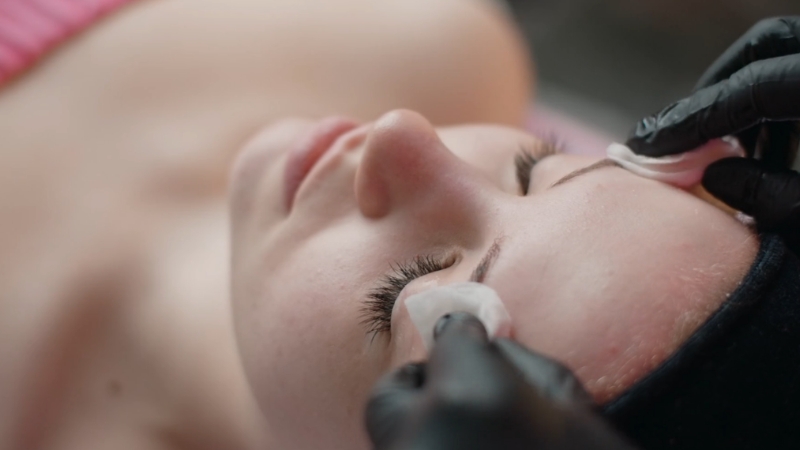
A treatment that fits your skin should never feel like a guessing game. A simple structure brings clarity. You set a clear goal. You learn where your skin draws the line. You build the smallest routine that can actually work.
Only then do you bring in stronger formulas or book a procedure. That approach saves time, money, sanity, and a whole lot of irritation. Let’s get into the details.
Step 1: Start With One Clear Goal
A single line carries more value than a long wishlist. A blunt sentence keeps you honest about what really matters.
- “I want fewer inflamed breakouts on my face and chest.”
- “I want my body skin to stop feeling tight and itchy after showers.”
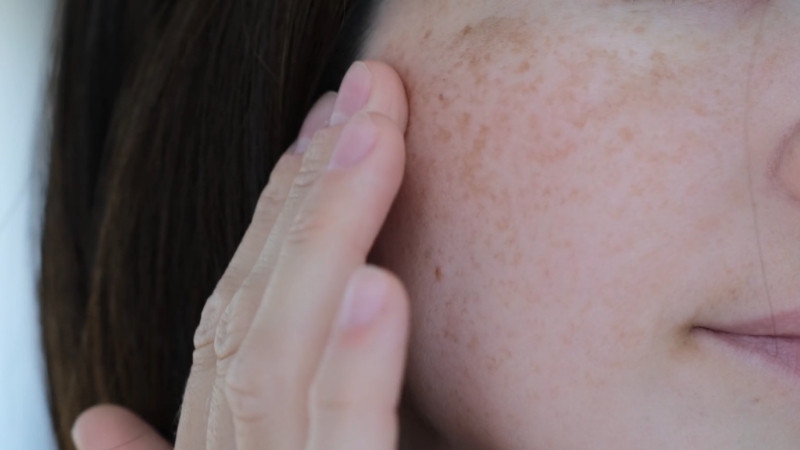
- “I want to fade dark spots left after acne without making my skin sting.”
- “I want less rough, bumpy texture on my upper arms.”
Short goals reduce noise. They stop vague ambitions like glow or anti-aging from pushing you toward crowded routines. Crowded routines bring irritation. Irritation often looks identical to the issue that motivated you in the first place.
Millions of people deal with common conditions. According to the National Eczema Association, Acne affects tens of millions of Americans.
More than 31 million live with some form of eczema. There is no shame in setting a clear medical or cosmetic goal. It gives you a starting point that can actually be defended.
Step 2: Separate Cosmetic Goals From Medical Problems
Product labels in the U.S. follow a basic rule. Anything meant to change appearance is treated like a cosmetic. Anything that claims to treat disease or alter body function can fall under drug regulations. Some products cross both categories.
For you, the real divider is simple.
If pain, oozing, fever, spreading redness, or infection show up, the experiment stops. Medical evaluation comes first.
If a rash keeps returning, if acne is leaving scars, if a mole changes rapidly, you move out of shopping mode. You are in clinician territory. Skin cancer appears frequently in the general population, and melanoma carries a high risk. Suspicious lesions should never sit on a wait-and-see list.
Step 3: Identify Your Skin Type And Your Irritation Ceiling
A common clinical grouping includes dry, oily, normal, combination, and sensitive. You can figure out where you roughly land with a few simple checks.
Quick Self-Test
- Dry leaning: Tight sensation after washing, flaking, rough areas, itch after showers.
- Oily leaning: Shine returns within hours, clogged pores, and regular breakouts.
- Combination: Oilier T zone with dry cheeks or jawline.
- Sensitive: Stinging or burning after new products, visible redness, low tolerance for fragrance or acids.
Your irritation ceiling is the point where your skin says enough. People with eczema, rosacea, frequent stinging, or prescription treatments usually hit that ceiling faster. Any change should move slowly. Rushing only creates setbacks.
A consultation can help filter out options that are too aggressive for your irritation ceiling, and many clients get that clarity at Allura Aesthetics – Wellington.
Step 4: Face Skin And Body Skin Behave Differently
Skin thickness and oil gland density vary from one body region to another. Palms and soles are thicker. The face carries dense clusters of oil glands. Those biological differences influence how actives feel and how long they take to work.
A formula that seems mild on the body can feel sharp on the face. The reverse can also happen. Body concerns like rough bumps or friction-induced dark patches respond better to consistent moisturizing and gentle keratolytics than to vigorous scrubbing or complicated routines.
Step 5: Build A Base Routine Before You Add Targeted Treatments

Nothing works well without a stable baseline. Your base routine protects the skin barrier and reduces noise. Once irritation quiets down, targeted options can make progress.
A Practical Baseline
Face
- Gentle cleanser
- Moisturizer
- Broad-spectrum sunscreen every day
Body
- Short warm showers, never hot
- Gentle cleanser only where needed
- Moisturizer applied consistently, especially right after bathing
Dermatology guidance for dry skin repeatedly highlights shorter warm showers, gentle drying, and moisturizing within minutes of stepping out. It is boring advice, yes, but it works. Barrier repair creates the conditions for improvements that last.
Sun protection also needs a stable place in daily life. Any treatment for dark spots, acne marks, or texture changes gets undermined by UV exposure.
WHO guidance encourages shade, clothing, and sunscreen, and warns that sunscreen is not permission to stay out longer. The American Academy of Dermatology recommends broad spectrum SPF 30 or higher and water-resistant formulas when appropriate.
Then Add One Targeted Treatment
Bring in one active or one procedure at a time, then give it a fair trial. Many acne plans follow twelve-week timelines before progress becomes reliable enough to judge. Shortcuts rarely pay off.
Step 6: Match Concerns With Clear Next Steps
A practical table limits overbuying. It also keeps the decision grounded in what usually works for each concern.
| Concern | What it often looks like | Good first move | Targeted options | When to stop DIY and see a clinician |
| Acne (face or body) | Inflamed pimples, clogged pores, recurring breakouts | Gentle cleanse, noncomedogenic moisturizer, sunscreen | Benzoyl peroxide or a topical retinoid based on tolerance, structured twelve week plan | Painful cysts, scarring, no improvement after structured trial |
| Very dry body skin | Tightness, flaking, itch after shower | Short warm showers, consistent moisturizing | Thicker creams or ointments, fragrance free formulas | Cracks, bleeding, severe itch, signs of eczema |
| Eczema prone skin | Itchy patches, recurring flares | Lukewarm water, gentle cleanser, moisturize quickly | Moisturizer within minutes after bathing, medicated creams from clinician | Oozing, infection, widespread flares |
| Dark spots | Lingering brown marks, uneven tone | Daily sunscreen, avoid picking | Dermatologist guided brightening plan, careful exfoliation | Rapid change, bleeding lesion, uncertain diagnosis |
| Rough bumps (keratosis pilaris) | Sandpapery texture on arms or thighs | Moisturize consistently | Lactic acid, urea, or other keratolytics | Severe irritation or spreading rash |
| Unwanted hair | Dark or coarse hair growth | Shaving basics, irritation control | Laser hair removal series, professional consult | Pigment issues, burns, or candidate concerns |
A table like this does not replace clinical judgment, but it gives you a structure that leads away from impulse shopping.
Step 7: Patch Test And Introduce Products Like An Experiment
View this post on Instagram
Multiple new products at once create confusion. You will not know what helped, what irritated, or what had no effect at all.
The American Academy of Dermatology recommends testing a new product on a small area twice per day for 7 to 10 days. If redness, burning, or swelling appear, you abandon the test and reset.
If you suspect a true allergy, clinical patch testing is the next step. Contact dermatitis often hides behind what people assume is random irritation.
Step 8: Treat Sun Protection As Nonnegotiable
UV exposure slows or reverses progress in nearly every treatment category. Acne marks linger. Dark spots deepen. Texture issues look more pronounced. Photoaging accelerates. Skin cancer risk also rises with cumulative exposure, as per CDC statistics.
Key rules supported by dermatology and public health agencies:
- Choose broad spectrum SPF 30 or higher
- Reapply every two hours outdoors
- Reapply after swimming or sweating
- Use shade and protective clothing
- Never treat sunscreen as an extension pass for time in the sun
Alpha hydroxy acids can raise sun sensitivity. FDA guidance attaches a sunburn alert style warning to many AHA products. Sunscreen and protective measures are advised during use and for at least a week after.
Indoor tanning carries clear risks. Data from dermatology sources and CDC reports show much higher melanoma risk with indoor tanning before age 35, along with increased risks for basal cell carcinoma and squamous cell carcinoma.
Step 9: Know When You Are Choosing A Product And When You Are Choosing A Provider

A product alone is not always the answer. Many skin concerns benefit more from professional planning than from another cream or serum.
For procedures, look for:
- Clear explanation of risks and expected recovery
- Realistic timelines and session counts
- Medical oversight for treatments with higher complication profiles
- Consideration of your skin type, pigmentation risk, and medical history
Common in office options
Chemical Peels
Depth varies. Healing windows differ. Multiple sessions may be needed. Aftercare matters more than people expect.
Microdermabrasion
A handheld device removes the upper layer of skin. Moisturizer follows. No downtime for most people, but results depend on repetition.
Laser Hair Removal
Usually, a series of two to six treatments. Many see noticeable reduction after the first session, but outcomes depend on hair color, density, and skin tone.
Microneedling and At-Home Devices
FDA consumer guidance highlights risks for infection or injury when devices are used improperly, when needles are damaged, or when the device is not manufactured to proper standards.
Professional settings bring controlled depth, sterilization, and oversight.
Step 10: Use Stop Rules To Avoid Chasing Irritation

A simple reset framework protects your skin and your budget.
Stop immediately and return to your base routine if you notice:
- Burning that lasts longer than a brief tingle
- Visible swelling, hives, or blistering
- Rash that spreads beyond the application site
- New dark patches are developing after irritation, especially on deeper skin tones
- Persistent cracking, oozing, crusting, or pain
After you reset, reintroduce only one change at a time. Patch test first if you suspect sensitivity.
Step 11: A Final Checklist Before You Buy Or Book
A quick filter can save a lot of regret.
For Products
- Does the label match my goal and skin type
- Am I already consistent with cleanser, moisturizer, sunscreen
- Can I commit to several weeks of use
- Do I have a sun protection plan
- Will I patch test and introduce it alone
For Procedures
- Do I know what downtime looks like
- How many sessions are typical
- What is the plan if I pigment, scar, or react
- Is the provider trained and supervised
Summary
@eviesamuel_ Are you picking up what I’m putting down???? #skintreatments #healthyskin #laser #microneedling ♬ original sound – Evie
A skin or body treatment becomes easier to choose once you treat the decision like a structured process.
Goals get clearer. Products feel less intimidating. Procedures lose their mystery. You gain a sense of control. That steady approach tends to deliver results that last.