
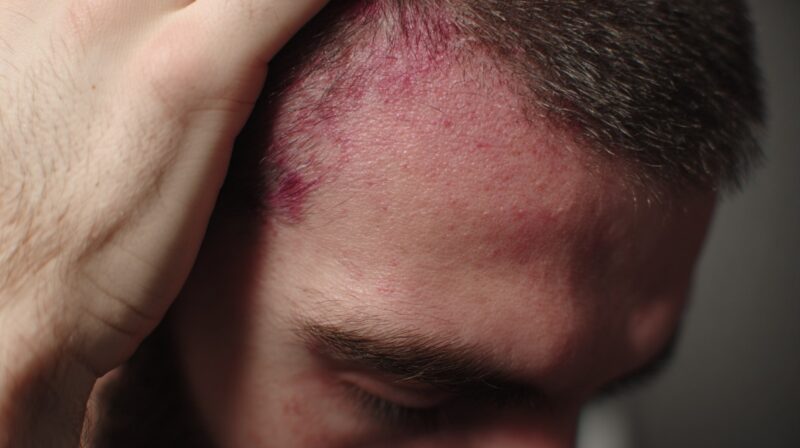
Scalp concerns often cause frustration and confusion due to overlapping signs like flakes, redness, and itching.
Scalp psoriasis and dandruff appear similar at first glance, which leads many people to treat one condition as if it were the other.
Misidentification delays relief and may worsen symptoms over time.
Accurate diagnosis plays a critical role in choosing treatments that address the actual cause rather than masking surface signs.
Key Differences Between Scalp Psoriasis and Dandruff
| Feature | Scalp Psoriasis | Dandruff |
|---|---|---|
| Flake type | Thick, silvery scales | Fine, white/yellow flakes |
| Redness/Inflammation | Common | Rare |
| Itch intensity | Mild–severe | Mild–moderate |
| Spread beyond scalp | Possible | Uncommon |
| Cracking/Bleeding | Possible | Uncommon |
| Hair loss risk | Possible (due to inflammation) | Rare |
A clear contrast between scalp psoriasis and dandruff helps reduce confusion and guides more effective care.
Both conditions involve flaking and itching, yet behavior, severity, and underlying drivers differ in important ways.
Careful observation of symptoms over time often reveals patterns that point toward one condition rather than another.
Cause
Different biological processes drive scalp psoriasis and dandruff, which explains why treatments vary so widely. One condition begins within immune function, while the other relates to microbial imbalance on skin.
Scalp psoriasis develops as an autoimmune condition that speeds up skin cell production and triggers inflammation. Skin cells accumulate rapidly and form thick plaques before natural shedding occurs.
Dandruff arises due to yeast overgrowth linked to a seborrheic process that disrupts normal scalp balance. Malassezia yeast irritates the skin and increases flaking.
Appearance
Visual cues often provide early clues about which condition may be present. Color, thickness, and attachment of flakes differ noticeably during close inspection.
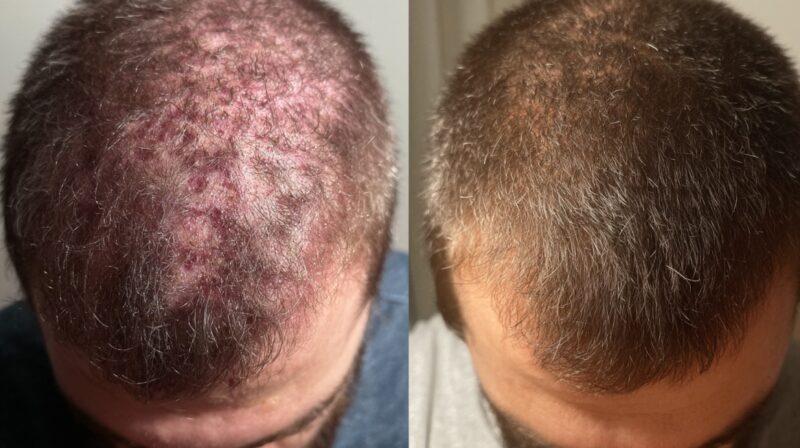
Scalp psoriasis shows thick silvery white scales sitting on reddish plaques. Scales cling tightly to skin and may feel raised or rough to touch.
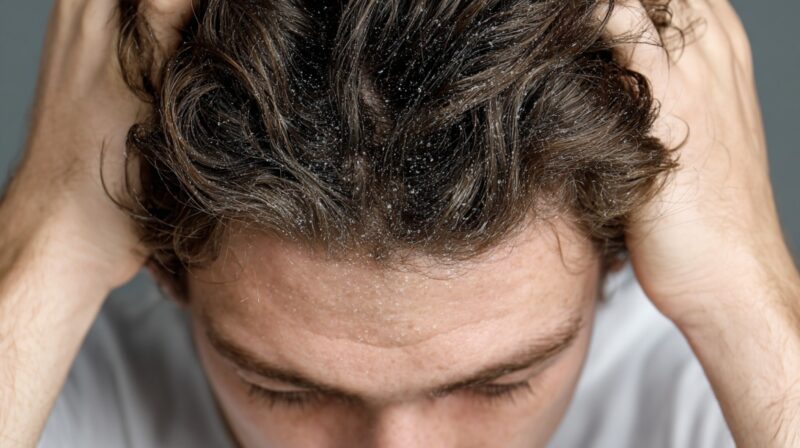
Dandruff presents as finer white or yellow flakes. Flakes loosen easily and often fall onto hair or clothing without significant redness underneath.
Severity of Symptoms
Symptom intensity often separates mild scalp irritation from a chronic inflammatory condition. Levels of discomfort influence daily activities and sleep quality.
Scalp psoriasis itching ranges mild to intense and may progress to cracking or bleeding during active phases. Pain and burning sensations may accompany itching.
Dandruff itching usually remains mild to moderate. Skin damage rarely occurs, even during prolonged flare periods.
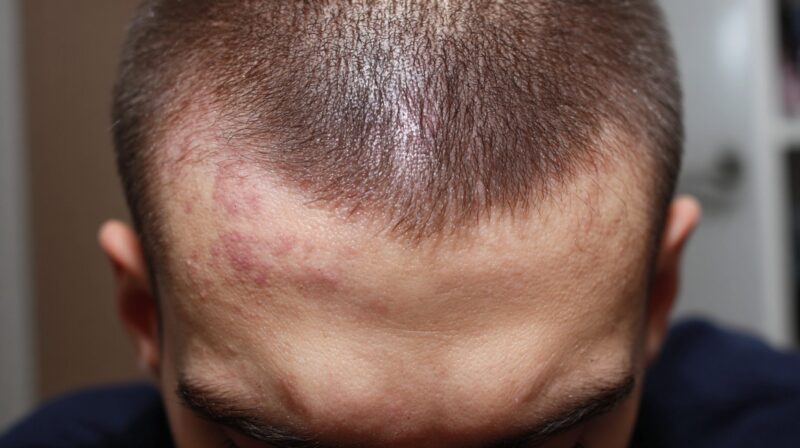
Distribution
Pattern of involvement across skin surfaces offers another distinguishing sign. Location often provides insight into disease behavior.
Scalp psoriasis lesions may extend outside the hairline and affect nearby areas such as ears, neck, or forehead.
Dandruff flaking usually stays confined to scalp skin without spreading outward.
Response to Treatment
Response patterns to treatment often confirm initial impressions. Improvement in speed and durability varies between conditions.
Scalp psoriasis symptoms often require prescription therapies to achieve control. Over-the-counter products alone may provide limited relief.
Dandruff symptoms often improve with over-the-counter medicated shampoos and routine scalp care adjustments.
Causes and Mechanisms
Different biological processes explain why scalp psoriasis and dandruff behave in distinct ways. Immune activity drives one condition, while microbial imbalance shapes the other. These internal differences influence symptom severity, recurrence patterns, and treatment response.
Scalp Psoriasis
Immune system dysfunction accelerates skin cell turnover, causing new cells to rise to the surface before older cells shed naturally.
Accumulation leads to thick scaling, visible plaques, and persistent inflammation. Inflammatory activity also contributes to redness, soreness, and sensitivity.
Several internal and external factors can intensify disease activity.
- Stress and emotional strain that affect immune signaling
- Acute illness or infection that disrupts immune regulation
- Physical skin irritation such as scratching or harsh hair care
Flare ups differ widely among individuals. Frequency and severity depend on personal trigger patterns, immune sensitivity, and consistency of treatment.
Dandruff
Dandruff develops when Malassezia yeast multiplies excessively on scalp skin. Yeast byproducts irritate skin and trigger a seborrheic inflammatory response. Flaking increases as irritated skin sheds more rapidly, though turnover remains slower than psoriasis.
Several external influences can worsen symptoms during certain periods.
- Environmental exposure, such as cold or dry air
- Heightened skin sensitivity or barrier weakness
- Use of irritating or residue-forming hair products
Symptom intensity often fluctuates alongside seasonal changes and product routines, leading to cycles of improvement and recurrence.
Diagnosis
Accurate diagnosis depends on professional evaluation rather than visual inspection alone. Dermatologists examine scale appearance, redness patterns, itch intensity, and symptom distribution. Medical history offers additional context, especially related to autoimmune conditions or chronic skin issues.
Skin biopsy may assist in unclear cases, particularly when signs overlap with other disorders. Diagnostic evaluation also excludes eczema, fungal infection, and similar scalp conditions that require different management strategies.
When to See a Dermatologist
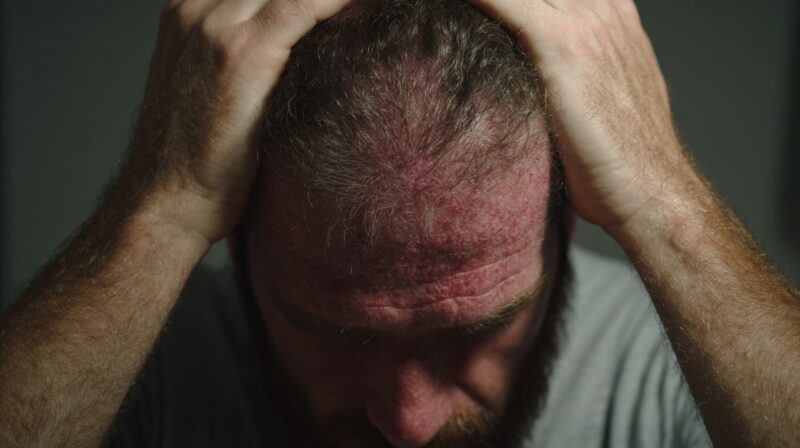
Certain signs indicate that professional care offers greater benefit than continued self-treatment. Early evaluation prevents prolonged discomfort and inappropriate product use.
Warning Signs
Persistent or worsening symptoms suggest possible misdiagnosis or inadequate therapy.
- Severe itching accompanied by redness or pain
- Cracking or bleeding skin
- Plaques extending outside scalp margins
- Noticeable hair thinning or hair loss
Importance of Medical Diagnosis
Medical diagnosis reduces trial-and-error approaches that delay relief. Accurate identification supports treatment plans that address underlying biological drivers rather than surface flaking alone. Proper therapy selection improves symptom control and long-term outcomes.
Treatment Overview
Treatment strategies differ due to contrasting causes and symptom patterns. Effective care focuses either on calming immune-driven inflammation or restoring microbial balance on scalp skin.
Scalp Psoriasis
Treatment aims to slow excessive skin cell production and reduce inflammation.
- Topical corticosteroids to decrease inflammation
- Vitamin D analogs to regulate skin cell growth
- Medicinal shampoos containing coal tar or salicylic acid to loosen scale buildup
Severe or widespread cases may require systemic medications or light therapy administered under medical supervision.
Dandruff
Management often begins with medicated shampoos that suppress yeast growth and reduce irritation. Effective agents include ketoconazole and zinc pyrithione.
Regular scalp hygiene, gentle cleansing, and thoughtful product selection help maintain symptom control and limit flare-ups.
View this post on Instagram
Summary
Psoriasis and dandruff share visible traits but differ in cause, severity, and treatment approach. Proper diagnosis remains essential for lasting relief.
A dermatologist’s evaluation offers clarity and direction when symptoms persist or intensify.