Dry, bumpy skin plays by its own rules. It shows up quietly, takes over the back of your arms or your cheeks, and sits there with that tiny sandpaper texture that makes you say “why?” at least twice a week.
The good news is that salicylic acid can help you win back some smoothness. The less glamorous news is that salicylic acid works only when you handle it at the right pace. Push too hard, and your skin will remind you that it still controls the room.
Today, we will discuss a practical, steady method that softens rough patches without leaving you tight, stingy, or peeling. Let’s begin.
Key Highlights
- Salicylic acid softens keratin and smooths bumpy skin when used slowly and in low concentrations.
- Start with gentle products, apply only on rough zones, and keep frequency low at first.
- Moisturizing immediately after bathing protects the skin barrier and reduces irritation.
- Avoid stacking strong actives and stop or reduce use if redness, peeling, or tightness appears.
Start by Naming the Bumpy Problem You Are Trying to Fix
Dry, bumpy texture usually falls into a few predictable buckets. Each one has its own patterns, and salicylic acid works best when the bumps are formed by keratin, dead skin cells, and oil. If you can pinpoint the category, you can build a plan that actually makes sense.
Keratosis Pilaris (The Classic “Chicken Skin”)
Keratosis pilaris, often shortened to KP, creates clusters of tiny bumps around hair follicles. They love upper arms, thighs, buttocks, and sometimes cheeks.
KP is incredibly common. Estimates range around 50% to 80% of teenagers and roughly 40% of adults. It is not a threat to your health. It just lingers and expects you to keep up consistent care.
KP tends to flare whenever skin becomes dry, in cold weather, or after long, hot showers. The bumps feel rough and grainy to the touch. They can turn pink or red when irritated.
Clogged Pores and Comedonal Acne
When the bumps sit mostly on the face, chest, or back and look like whiteheads or little plugs, that pattern usually points toward clogged pores.
Salicylic acid has been a frontline ingredient for this type of congestion for decades. The American Academy of Dermatology reports that acne affects up to 50 million Americans each year.
Salicylic acid works here because it can get inside the pore, loosen the dead skin inside, and help prevent new clogging.
Rough, Scaly Texture from Heavy Buildup
Some bumps do not look like pimples at all. According to Mayo Clinic , they look like rough patches that catch on clothing or feel dry and scaly.
That happens when the outer layer of skin builds up thicker than usual. Salicylic acid softens keratin, which makes it perfect for loosening that stubborn buildup. It is also the easiest scenario to irritate if you get carried away with frequency or strength.
The Red-Flag Bumps Salicylic Acid Cannot Fix
If the bumps are painful, oozing, extremely red, swollen, or look infected, that is not the moment for an exfoliating acid. That needs a medical approach, not a keratolytic ingredient.
What Salicylic Acid Actually Does
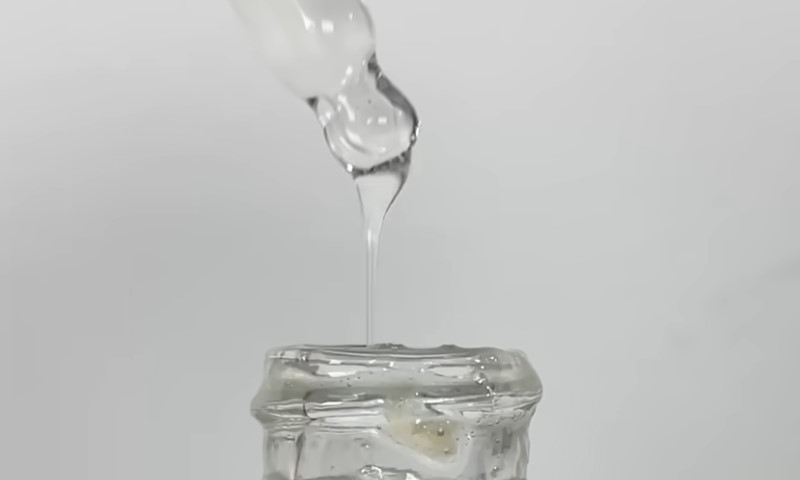
Salicylic acid has a simple job. It softens keratin, loosens dry outer layers, and encourages more even shedding. When used on acne-prone areas, it slows the shedding inside follicles and breaks down the plugs that form blackheads and whiteheads.
The catch arrives fast. Once you speed up shedding, the skin barrier has to keep up with hydration. When it cannot, you feel tight, flaky, or lightly burning. Dry skin is already working harder to hold moisture, so rushing the process usually backfires.
Your strategy should center on pacing. Effective exfoliation moves in controlled steps, not daily marathons.
Choose the Right Product Before Choosing the Routine
Your results depend more on format and frequency than on bravery. Picking the right form of salicylic acid instantly lowers the risk of irritation.
Know the Concentrations That Make Sense
FDA statistics show that for over-the-counter skincare in the United States, salicylic acid usually falls between 0.5% and 2%. DermNet notes that much higher concentrations exist for warts or corns, but those products belong nowhere near a routine for dry, bumpy texture.
Wash-Off vs Leave-On
A wash-off formula stays on your skin only for the length of your shower or cleansing step. That short contact time creates less irritation, which is perfect for very dry or sensitive skin.
Leave-on formulas stay on the body or face through the day or night. They produce stronger results per use. They also create immediate opportunities to overdo it.
Read the Label
The FDA’s guidance for acne products we just mentioned is very direct. Start with one application a day, increase only if needed, and reduce if dryness appears.
For non-acne bumps, the same logic applies. If you feel tightness or peeling, your skin is asking for fewer nights or a lower-strength product.
A Quick Selection Guide
A simple table based on dryness and bump type helps narrow down the right starting point.
| Starting Point | Better First Pick | Why |
| Very dry or easily irritated | Salicylic acid cleanser or body wash | Lower irritation due to short contact time |
| KP on arms or thighs with moderate dryness | Leave-on body lotion with a low percentage | More consistent softening without overuse |
| Bumps mixed with ingrown hairs | Leave-on salicylic acid plus a shaving routine | Helps reduce follicle buildup and razor flare-ups |
| Face feels bumpy and clogged | Low percentage leave-on only on the bumpy areas | Targets congestion without stripping the entire face |
The Main Way People Mess Up Is by Stacking Too Many Irritants
Overuse usually follows a pattern:
- High frequency too early
- Applying it everywhere instead of the rough zones
- Adding multiple strong acne ingredients at the same time
- Using it on already irritated skin
MedlinePlus warns that combining salicylic acid with other irritating topicals increases the likelihood of irritation.
The FDA’s acne monograph repeats the idea by warning against using several strong actives at once. One active at a time gives your barrier a chance to survive.
A Routine That Improves Texture Without Wrecking the Barrier

You have two goals that need to happen at the same time. You want looser buildup and smoother skin, but you also want a barrier that feels calm.
Step 1: Fix the Shower and Cleansing Habits
KP flares when the skin dries out. The simplest, most boring adjustments create the biggest payoff. Mayo Clinic recommends warm showers, gentle cleansing, and moisturizing while the skin is still slightly damp.
Do the following for body bumps:
- Keep showers around ten minutes.
- Use warm water instead of hot.
- Pick a mild cleanser.
- Pat dry and leave a little moisture so your cream has something to hold onto.
Step 2: Moisturize
For KP, the American Academy of Dermatology recommends thick creams or ointments. Urea and lactic acid moisturizers can help soften the rough texture. Apply to damp skin within five minutes of bathing.
Mayo Clinic also mentions that creams with salicylic acid or urea help loosen dead skin cells, and applying the medicated cream before moisturizer can boost softness.
Step 3: Add Salicylic Acid Slowly, Then Stay Consistent
Week 1
Use salicylic acid two nights a week on the bumpy areas only. If you prefer wash-off products, use the cleanser three times a week. Moisturize afterward.
The AAD points out that keratolytics can dry the skin , so moisturizing afterward is essential.
Week 2
If your skin feels calm, increase to three nights a week or use the wash four times a week. If you feel tightness, stinging, or flaking, keep the frequency the same or reduce it.
Weeks 3 to 6
Try to find the lowest number of nights that keeps improvements going. For many people, that rests around two to four nights a week. KP usually requires long-term maintenance.
For Face Texture and Congestion
Start especially slow.
- Apply a low percentage leave-on salicylic acid one to two nights a week.
- Increase only if your skin stays calm.
- Skip physical scrubs during the ramp-up.
MedlinePlus suggests starting less often and increasing only after your skin adjusts, reducing again if irritation appears.
How to Dodge the “Dry and Angry” Phase

Salicylic acid does not have to trigger peeling or redness. A few small tricks lower the risk.
Use a Buffer Method if You Tend to Peel
Moisturize first with a thin layer. Apply salicylic acid only to the bumpy zones. Add another light layer of moisturizer if you feel dry afterward. That sandwich protects the barrier.
Do Not Use Salicylic Acid on Irritated Skin
Mayo Clinic warns that applying it to red, irritated, inflamed, or infected skin can lead to severe irritation. MedlinePlus echoes that warning. If your skin already feels angry, skip exfoliation that day.
Do Not Treat Excessive Body Surface Area
MedlinePlus warns against applying topical salicylic acid to large areas unless a clinician says otherwise.
Patch Test for Real
MedlinePlus, Mayo Clinic, and the FDA all mention a simple first-use test. Use the product on one or two small areas for three days. If no reactions show up, you can proceed.
Combining Salicylic Acid With Other Ingredients
Some pairings support smoothness. Others turn the routine into a minefield.
Great Pairings for Dry, Bumpy Skin
- Urea moisturizers
- Lactic acid moisturizers
- Rich barrier creams
These ingredients support hydration and help soften buildup without competing for attention.
Higher-Risk Pairings
Ingredients like benzoyl peroxide, strong retinoids, or sulfur can irritate when used alongside salicylic acid.
MedlinePlus and the FDA acne monograph both warn about combining strongtopicals. If you insist on mixing, separate your nights.
A simple rotation:
- Salicylic acid nights: salicylic acid plus moisturizer.
- Other active nights: retinoid or benzoyl peroxide plus moisturizer.
- One full night a week with no actives.
The AAD also mentions that exfoliants and astringents can worsen dryness in acne-prone skin, so stacking several exfoliants rarely delivers better texture.
What Overdoing It Looks Like

The early signs are usually clear:
- Persistent tightness
- Burning when you apply a simple moisturizer
- Peeling in sheets
- Redness that intensifies instead of calming
The AAD recommends stopping the product for a few days if irritation develops. After things settle, you can restart at half the frequency, switch to wash-off, or apply only to the roughest areas.
Red-Flag Symptoms
DermNet notes that salicylic acid poisoning is a risk when concentrated products cover large areas.
MedlinePlus lists serious symptoms like dizziness, confusion, fast breathing, ringing in the ears, nausea, and extreme tiredness. If anything like that appears, stop using the product and seek medical care.
Special Situations Where Gentle Is Mandatory
Pregnancy
The AAD states that salicylic acid is generally considered safe for limited use but recommends checking with your obstetrician or dermatologist.
ACOG includes topical salicylic acid among ingredients that can be used during pregnancy. Absorption through intact skin is low, but caution still matters.
Diabetes, Poor Circulation, Kidney or Liver Disease
Mayo Clinic advises caution because those conditions can raise the chance of redness or ulceration. Long-term use over large areas could increase unwanted effects on the kidneys or liver.
Kids and Teens With Flu or Chickenpox
Mayo Clinic and MedlinePlus warn against salicylic acid use in this group due to the risk of Reye’s syndrome.
Large-Area Body Smoothing
NHS Scotland formulary guidance and MedlinePlus both warn against treating large body areas. Stick to the zones that are actually bumpy.
When to See a Dermatologist
View this post on Instagram
You will know it is time to stop guessing when:
- Six to eight weeks pass with no noticeable improvement
- You see cracking, bleeding, or eczema-like irritation
- The bumps turn painful or pustular
- You suspect your issue is not KP or comedones
Mayo Clinic notes that a clinician can recommend frequency, product strength, and additional treatments when KP needs more help.
A Quick Checklist You Can Follow
- Warm, short showers
- Gentle cleanser
- Moisturize right away
- Pick the right salicylic acid format
- Start slow
- Do not apply to irritated skin
- Go easy with other actives
- Reduce frequency if irritation shows up
Summary
A smoother surface comes from steady habits and patient pacing. Salicylic acid can absolutely help your skin feel softer and look more even, as long as you let it work within its limits.
The trick is keeping your barrier happy at the same time. When both goals move together, bumps fade, and your skin feels calmer, not stripped.