
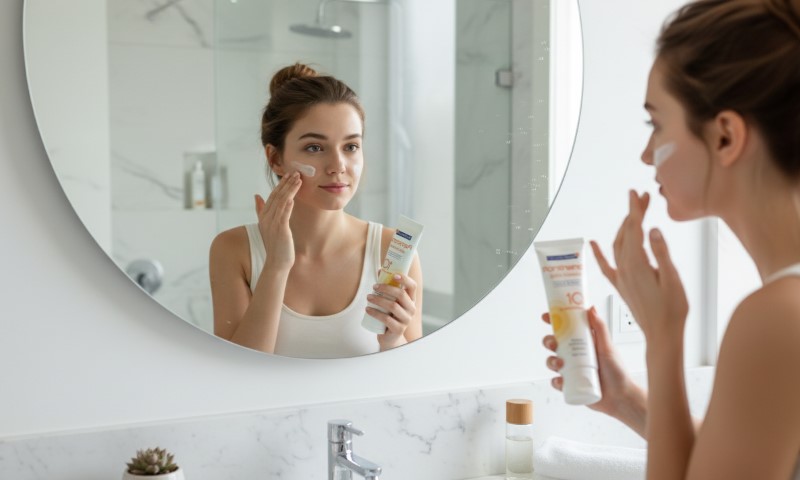
Vitamin B5 keeps showing up in skincare conversations for a reason. It sits quietly in a lot of formulas, rarely causes drama, and tends to make skin feel more comfortable when routines get a little too ambitious.
Yet confusion follows it everywhere, from what “B5” even means on a label to whether it works better as a serum, a cream, or a supplement.
Vitamin B5 is not flashy. It does not promise overnight transformation or dramatic resurfacing. What it does offer is consistency, barrier support, and a kind of reliability that matters more than hype when skin feels dry, irritated, or simply tired of being pushed too hard.
Here’s a clear, practical look at what vitamin B5 actually does for skin, how to use it correctly, and where expectations should stay grounded.
Key Points
- Vitamin B5 supports hydration and barrier comfort through consistent, non-irritating use, not dramatic skin changes
- Panthenol and dexpanthenol are the topical forms that matter most for skincare results
- B5 helps calm irritation and improve tolerance when using retinoids, acids, or drying treatments
- Correct layering and sealing moisture matters more than high concentrations or product hype
Pantothenic Acid vs Panthenol vs Dexpanthenol
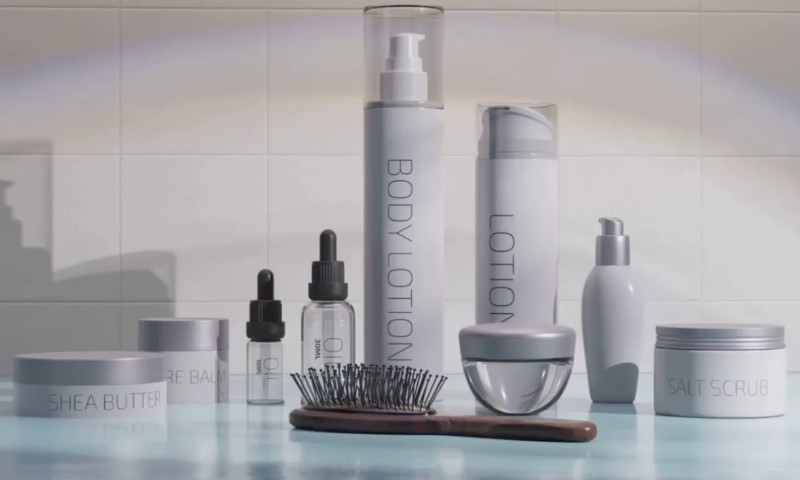
Most confusion starts with naming. Vitamin B5 shows up under several identities, and skincare labels do not always help.
Pantothenic Acid
Pantothenic acid is the actual vitamin B5 used by the human body in basic metabolic processes. Dietary guidance for adults sits at 5 mg per day . Oral supplements fall into this category.
Panthenol
Panthenol is the version most commonly found in skincare. It often appears as “provitamin B5” on labels.
In topical use, panthenol behaves as a skin-conditioning and hydrating ingredient rather than a vitamin supplement.
Dexpanthenol
Dexpanthenol is a specific form of panthenol frequently used in more medicinal-style products. It appears often in post-procedure care and barrier-repair ointments.
For real-world skincare results, panthenol and dexpanthenol are what people usually mean when they talk about vitamin B5 for skin. A “B5 serum” or “B5 cream” almost always refers to one of these topical forms.
What Vitamin B5 Actually Does for Skin
Vitamin B5 earns its place through steady, repeatable benefits that support skin comfort and function. No magic tricks, no shortcuts.
Supports Hydration in Everyday Routines
Hydration talk often sounds abstract, but B5 performs well in the situations people actually deal with.
Dry air, travel, wind exposure, harsh cleansers, or overuse of active ingredients all strip water from the skin. Panthenol fits neatly into hydration logic that works long term.
In practice, topical B5 behaves like a humectant and a barrier-supporting ingredient:
- Helps attract and hold water in the outer skin layers
- Supports formulas designed to reduce transepidermal water loss over time
- Improves softness and flexibility without heavy occlusion on its own
Helps Calm Irritation and Support Barrier Recovery
When skin feels irritated, goals tend to get very simple very fast. Reduce stinging. Reduce friction. Reduce water loss.
Panthenol and dexpanthenol show up repeatedly in products designed for:
- Dry and sensitive skin
- Post-procedure care, when allowed by a clinician
- Periods of barrier disruption from exfoliation, retinoids, or environmental stress
A focused review on dexpanthenol highlights its role in supporting re-epithelialization and improving hydration-related outcomes in stressed skin. That explains why it appears so often in ointments and creams meant for recovery rather than correction.
Fits Well Into Eczema-Prone and Very Dry Skin Routines
Barrier repair is not a niche concern. According to AAD, Atopic dermatitis affects nearly 1 in 10 Americans and up to 1 in 5 children. Estimates suggest 31.6 million people in the U.S. live with some form of eczema, with varying severity levels.
In that context, B5 is rarely the star ingredient. Instead, it supports strategies that matter more:
- Consistent moisturizing
- Choosing textures skin can tolerate daily
- Reducing exposure to irritants and triggers
Guidance distinguishes lotion, cream, and ointment based on oil and water content. Lotions can sting due to alcohol content.
Ointments seal moisture efficiently and usually do not burn on sensitive skin. B5 often appears across all formats because it aligns with hydration and barrier support rather than stimulation.
Acts as a Buffer When Stronger Actives Enter the Routine
Vitamin B5 frequently enters routines when people start or increase:
- Retinoids
- Exfoliating acids
- Drying acne treatments such as benzoyl peroxide
B5 does not eliminate irritation, but it can make routines more tolerable. Supporting hydration and barrier comfort helps people stay consistent instead of cycling between aggressive treatments and recovery phases.
What Vitamin B5 Does Not Do
Marketing often stretches expectations. Vitamin B5 does not replace:
- Sunscreen
- Prescription treatments for eczema or acne
- Medical care for infections, severe dermatitis, or wounds
Cracking, oozing, bleeding, or rapidly worsening skin belongs in a clinical setting, not a serum rotation.
How to Use Vitamin B5 Right
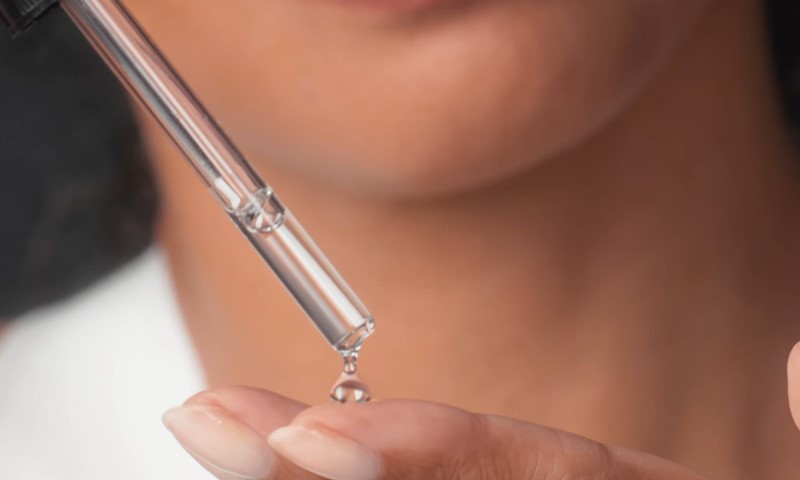
Most issues with B5 come from the routine structure rather than the ingredient itself.
Step 1: Choose the Right Product Form
Texture matters more than concentration alone.
Dry, Tight, Rough Skin
- Cream or ointment-leaning moisturizer with panthenol
- Better for sustained hydration and barrier support
Oily but Dehydrated Skin
- Lightweight B5 serum or gel-cream
- Adds hydration without heaviness
Irritated or Stinging Skin
- Fragrance-free formulas with minimal ingredients
- Avoid alcohol-heavy lotions that can burn
Step 2: Apply at the Right Time
Timing often matters more than product choice.
- Cleanse gently
- Leave skin slightly damp
- Apply B5 serum if using one
- Seal with an appropriate moisturizer
Step 3: Layer to Avoid the “Sticky but Still Dry” Feeling
A common mistake involves stacking humectants without sealing them in.
A practical order:
- Water-based products
- Cream
- Ointment only when needed for very dry or compromised areas
Ointments can go over lighter moisturizers to seal moisture when skin struggles to hold hydration.
Step 4: Frequency of Use
Typical patterns that work:
- Once daily for stable, mildly dry skin
- Twice daily during irritation, weather shifts, or active adjustments
- Spot use around the nose, mouth corners, hands, or other high-friction zones
Concentrations and What They Really Imply
Marketing often highlights percentages, but routine consistency carries more weight.
Safety assessments report maximum concentration data for D-panthenol in cosmetics, with leave-on products commonly using low single-digit percentages and reported maxima around the mid 5% range, depending on formulation and product type.
How to interpret that:
- Lower concentrations suit daily maintenance
- Around 5% often appears in barrier-repair creams and ointments
- More is not automatically better if the routine itself does not support hydration
Ingredient Compatibility
Vitamin B5 plays well with most routines.
B5 and Retinoids
- Apply retinoids on dry skin at night
- Use B5 and moisturizer afterward
- A moisturizer sandwich approach works for sensitive skin
B5 and Exfoliating Acids
- Reduce acid frequency if irritation appears
- Use B5 after acids or on off-nights
B5 With Niacinamide, Ceramides, Glycerin, Hyaluronic Acid
- Common pairings in barrier-focused products
- No special separation required for most people
A Quick Comparison Table
| Goal | Best B5 format | What to pair it with | Common mistake |
| Dehydration | B5 serum or gel-cream | Cream moisturizer | Using serum alone |
| Barrier recovery | B5 cream or balm | Fragrance-free moisturizer | Keeping exfoliation unchanged |
| Eczema-prone dryness | Cream or ointment | Ointment on dry patches | Using alcohol-heavy lotions |
| Post-procedure care | Clinician-recommended dexpanthenol | As directed | Self-prescribing |
Oral Vitamin B5 for Skin
Oral B5 is a separate conversation.
According to the National Institute of Health, the recommended intake for adults remains 5 mg per day, and deficiency is considered very rare.
Extremely high supplemental doses, such as 10,000 mg per day, have been associated with gastrointestinal upset and diarrhea.
Acne and Oral B5
A randomized, double-blind, placebo-controlled study involving 41 evaluable subjects with mild to moderate acne reported a statistically significant reduction in total lesion count at 12 weeks using a pantothenic acid-based supplement.
Responsible interpretation:
-
- Interesting signal, not definitive proof
- Dose and formulation matter
- Acne treatment guidelines still prioritize proven topicals and prescriptions
Oral B5 fits best as an adjunct experiment rather than first-line care.
Safety, Side Effects, and Patch Testing
Topical panthenol is widely tolerated, but rare reactions occur.
Safety assessments report low prevalence of positive patch-test reactions, with some datasets showing rates under 1% . Contact allergy remains possible, especially in reactive skin.
Patch testing makes sense if you have:
- A history of contact dermatitis
- Highly reactive skin
- Plans to use a high-concentration repair product
- Intent to apply near the eyes or mouth
The Bottom Line
Vitamin B5 works best when expectations stay grounded. It hydrates, supports the barrier, and helps skin stay comfortable during stress.
It does not replace sunscreen, medical care, or targeted treatments. Used well, B5 becomes the ingredient that helps routines hold together instead of pushing skin into another recovery cycle.
When skin feels dry, irritated, or overworked, boring and effective often wins. Vitamin B5 lives comfortably in that category.