
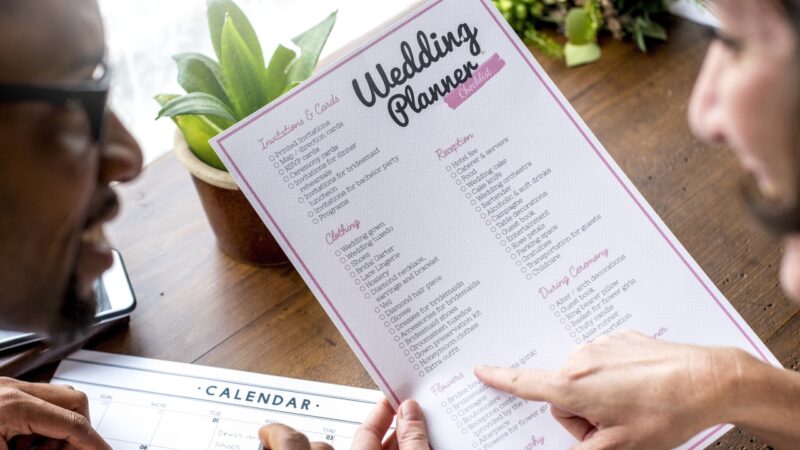
Planning a wedding can feel overwhelming because a single celebration includes many moving parts.
Couples need to make decisions about the date, venue, vendors, décor, guest communication, attire, ceremony details, reception flow, and final-day logistics.
A smooth wedding begins with clear organization. Priorities, budget, vendors, guests, and timeline should be arranged early so every major detail has a place in the plan.
A strong organization keeps the couple, vendors, family members, and wedding party aligned.
With a clear plan, everyone knows what needs to happen, when it needs to happen, and who is responsible for each task.
Define Your Wedding Vision and Budget
Choose the wedding style before making design decisions.
Decide if the celebration will be formal, casual, traditional, outdoor, destination-based, civil, religious, modern, classic, or bohemian.
Set a realistic total budget before booking any venue or vendor. Divide the budget into categories such as venue, catering, attire, photography, videography, décor, music, entertainment, flowers, transportation, beauty services, stationery, favors, and planning support. List your top priorities early. Decide which items are essential and which can be reduced or removed if costs rise. Reserve extra money for unexpected expenses. Common added costs include: Track estimated costs, actual costs, deposits, balances, due dates, and payment status in one place. Key vendors may include the photographer, videographer, caterer, florist, entertainment, officiant, hair and makeup team, decorator, rental company, planner, and transportation provider. Review photographer and videographer style, experience, editing approach, package details, delivery timeline, and sample galleries. Choose music and entertainment that match the celebration mood and the guest group. For couples planning a Niagara celebration, a professional like DJ Niagara can help manage music, MC services, lighting, sound, and reception flow. Plan flowers and décor for bouquets, ceremony arrangements, centerpieces, candles, lighting, furniture, and table details. Compare vendors by price, availability, portfolio, package, reviews, experience, communication, and included services. Get every agreement in writing. Include services, timing, arrival and departure details, payment dates, deposit amount, balance, cancellation rules, overtime fees, travel fees, backup plans, and extra charges. Store all vendor contracts, emails, invoices, notes, and final confirmations in the central planning system. Create an early guest list to estimate wedding size. Guest count affects venue size, catering cost, seating, invitations, transportation, and accommodations. Focus the guest list on close family, close friends, and essential guests. A clear list makes budget and capacity decisions easier. Select a venue that fits the style, budget, and guest count. Possible options include hotels, country estates, event halls, beaches, gardens, private properties, restaurants, and outdoor settings. Confirm venue capacity, parking, accessibility, weather backup plans, bathrooms, lighting, rest areas, vendor access, setup time, cleanup rules, and included services before signing. For outdoor weddings, plan tents or canopies, evening lighting, bathrooms, walkways, seating, power access, and comfortable guest areas. Keep all wedding details in one system, such as a spreadsheet, shared folder, planning app, binder, or master document. Save receipts, agreements, menus, floor plans, inspiration images, vendor notes, and important emails in the same place. Avoid scattered notes, missing payment deadlines, lost contracts, delayed guest counts, and verbal decisions with no written record. Confirm vendor services, timing, included items, changes, fees, and expectations in writing. Update the planning system weekly, especially during the final three months. Use a weekly wedding admin check-in to update the budget, make decisions, send vendor emails, review deadlines, and finish checklist items. Plan the ceremony order, vows, readings, music, officiant details, ring exchange, processional, recessional, and any civil, religious, family, or cultural traditions. Create the seating chart after RSVPs and meal choices are confirmed. Account for allergies, dietary needs, family relationships, friend groups, and guest comfort. Send invitations early so guests can respond, arrange travel, book accommodations, choose attire, and share meal needs. Add meaningful details such as signage, favors, family traditions, custom lighting, guest books, centerpieces, photos, handwritten notes, and personal décor. Plan lighting carefully, especially for evening weddings. Soft lighting improves atmosphere, photos, and reception comfort. Choose wedding attire early. Include the wedding dress, groom’s suit, wedding party outfits, shoes, accessories, jewelry, undergarments, veils, ties, and comfort items. Schedule fittings early so alterations are completed without last-minute stress. Build a detailed wedding-day timeline. Include getting ready, hair and makeup, vendor arrival, setup, first look, photos, ceremony, cocktail hour, dinner, speeches, first dance, parent dances, cake cutting, open dancing, send-off, cleanup, and breakdown. Assign exact times to major moments, including ceremony start, dinner, toast, dances, transportation, and photo sessions. Share the final timeline with vendors, wedding party members, close family, the venue team, and the coordinator. Prepare a final-week checklist for vendor confirmations, packing, final payments, tip envelopes, rehearsal, attire steaming, emergency kit, marriage license, transportation, weather plan, and honeymoon documents. Finalize table assignments, place cards, escort cards, meal indicators, seating charts, and caterer counts before the wedding week ends. Schedule a ceremony rehearsal for walking order, standing positions, music cues, readings, and timing. Complete honeymoon plans early, including flights, hotels, passports, transportation, packing, travel documents, and itinerary details. A perfect wedding depends on clear planning, not last-minute panic. A strong organization gives every detail a place and helps each person involved know what needs to happen. Couples can avoid missing important details by setting priorities, staying organized, confirming vendors, following a timeline, and keeping all information in one reliable system. Most important safeguards include a realistic budget, an early guest list, written vendor agreements, final confirmations, and a detailed wedding-day schedule.
Book and Confirm Vendors

Create the Guest List and Choose the Venue
Stay Organized With One Planning System
Plan the Ceremony, Reception, and Guest Experience

Create a Final Wedding Timeline and Checklist
Summary