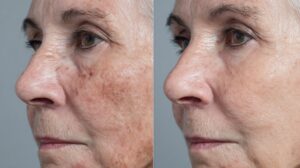

Oily skin develops due to overactive sebaceous glands that release excessive sebum, especially across the T-zone that includes forehead, nose, and chin. Excess oil often creates persistent shine, enlarged pores, clogged follicles, blackheads, and recurring acne.
Many conventional skincare treatments strip natural oils aggressively, triggering compensatory sebum overproduction that worsens the condition.
Essential oils, when properly diluted, offer a gentler botanical approach that supports oil regulation, bacterial control, and inflammation reduction without disrupting skin balance.
Essential oils are concentrated plant extracts containing bioactive compounds that interact with skin receptors and microbial populations.
Dermatological insights shared by AG Organica confirm that correctly diluted natural oils can normalize sebaceous gland activity while maintaining skin comfort and barrier integrity.
1. Tea Tree Oil (Melaleuca alternifolia)
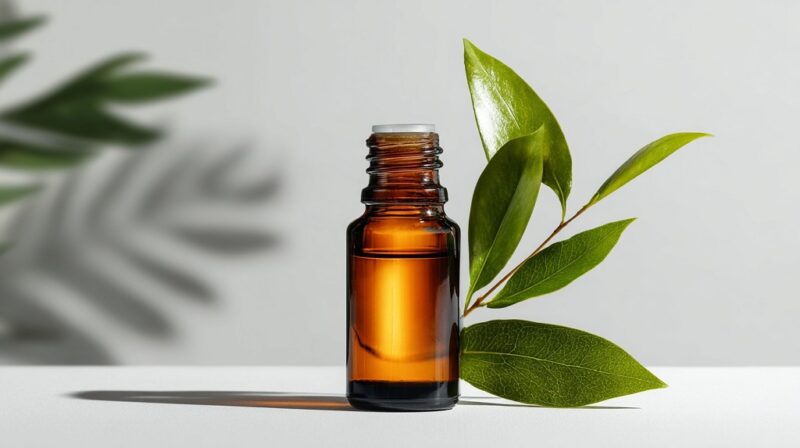
Tea Tree oil contains a complex profile of bioactive compounds that directly target acne-related concerns while remaining suitable for oily skin when diluted correctly.
Antibacterial, antifungal, anti-inflammatory, and antioxidant actions work simultaneously to reduce breakouts and calm irritation without clogging pores.
Clinical observations confirm several measurable effects associated with regular use:
- Reduction of Cutibacterium acnes populations on the skin surface
- Decrease in visible redness and swelling around active blemishes
- Gradual refinement of enlarged pores linked to congestion
Usage requires dilution at 1 to 2 drops per teaspoon of jojoba or grapeseed oil. Addition into facial cleansers or toners supports daily acne management.
Strong activity against Cutibacterium acnes positions Tea Tree oil among the most extensively studied essential oils for acne-prone skin.
2. Lavender Oil (Lavandula angustifolia)
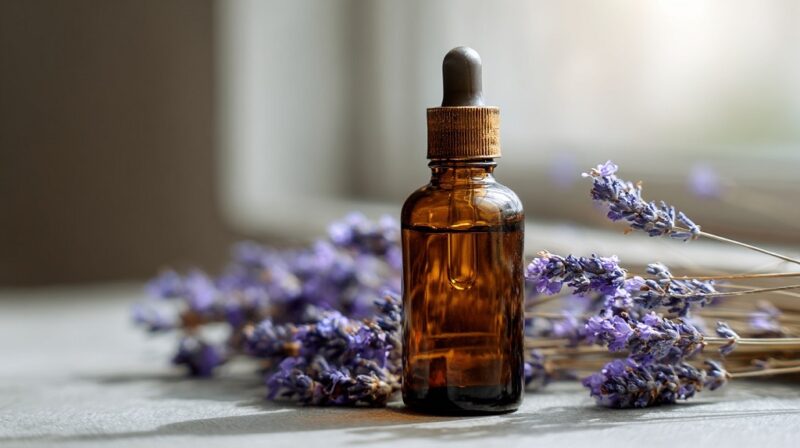
Lavender oil supports oil balance while addressing sensitivity that often accompanies acne treatments.
Calming properties help regulate sebum output and promote skin repair without increasing heaviness or shine.
Benefits extend across several skin functions that work together over time:
- Oil normalization without triggering dryness
- Faster healing of blemishes and post-breakout irritation
- Lightweight moisture that does not obstruct pores
Application works well with 2 drops added to toners, moisturizers, or facial masks. Pairing
Lavender oil with Tea Tree or Lemon oil improves acne control while maintaining comfort.
Data noted by Raasa and Oils4Life confirms regenerative support with minimal residue.
3. Lemon Oil (Citrus limon)
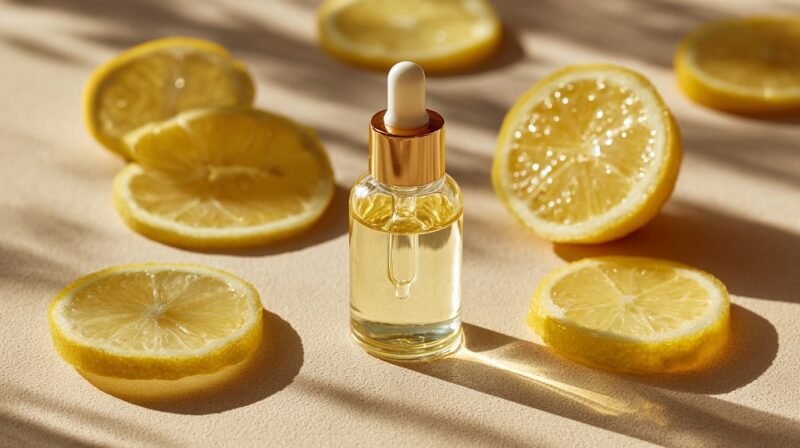
Lemon oil delivers clarifying and brightening effects driven by naturally occurring limonene, citral, and trace vitamin C components.
Regular use assists with oil buildup reduction and dullness associated with clogged pores.
Primary skin actions occur through multiple mechanisms:
- Breakdown of excess surface oil
- Visual tightening of pores through mild astringency
- Improvement in uneven tone linked to congestion
Strict dilution is required due to phototoxic properties. Nighttime application only is recommended.
Pairing Lemon oil with Rosemary oil improves pore refinement while supporting circulation and clarity.
4. Peppermint Oil (Mentha piperita)
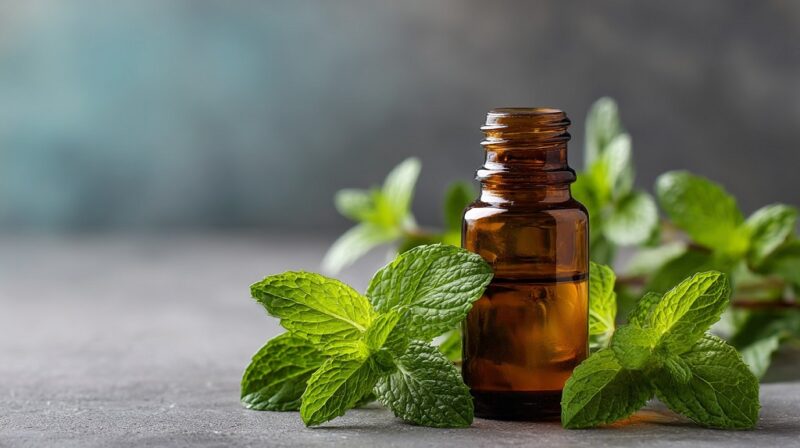
Peppermint oil provides rapid sensory relief and functional oil control through menthol and menthone compounds.
Cooling action reduces discomfort linked to inflamed breakouts while limiting surface oil accumulation.
Observable effects include:
- Immediate mattifying sensation
- Reduced bacterial activity on oily areas
- Temporary tightening of pores due tothe cooling response
Usage involves adding 1 diluted drop into facial mists or lightweight moisturizers. Raasa reports strong biocidal activity that targets acne bacteria efficiently.
5. Rosemary Oil (Rosmarinus officinalis)
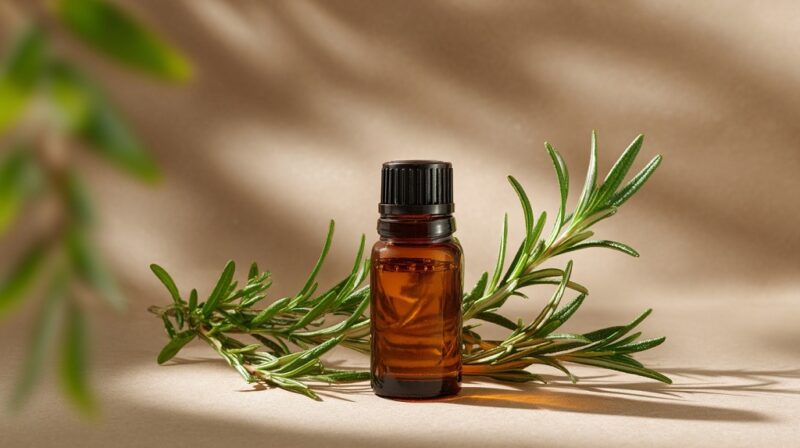
Rosemary oil supports congested skin through antiseptic activity and improved microcirculation.
Enhanced blood flow encourages healthy cell turnover while reducing pore congestion.
Consistent use contributes to several structural improvements:
- Firmer-looking pores
- Reduced buildup in oily zones
- Smoother overall texture
Application includes gentle massage of diluted oil onto congested areas. Lavender oil pairs well to soften potential sensitivity and improve tolerance.
6. Geranium Oil (Pelargonium graveolens)
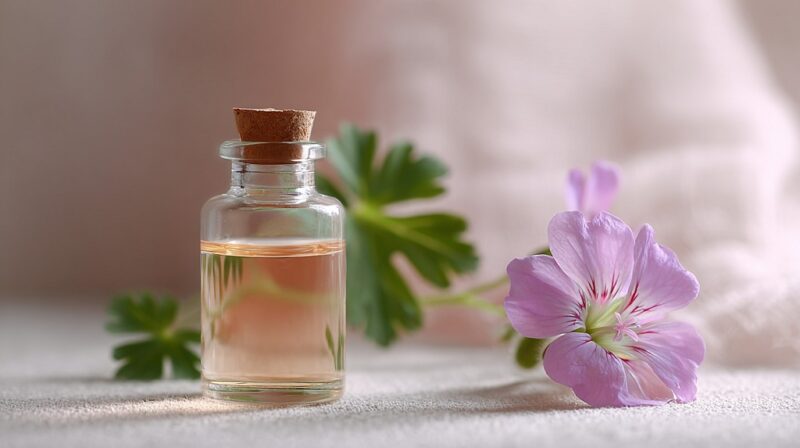
Geranium oil plays a key role in sebum regulation while improving elasticity and clarity.
Antibacterial effects help control acne while supporting skin resilience.
Oils4Life observations associate Geranium oil with hormonal balance that influences breakouts tied to internal fluctuations.
Daily facial oil use involves blending 2 drops with jojoba oil to maintain consistency and comfort.
7. Frankincense Oil (Boswellia carterii)
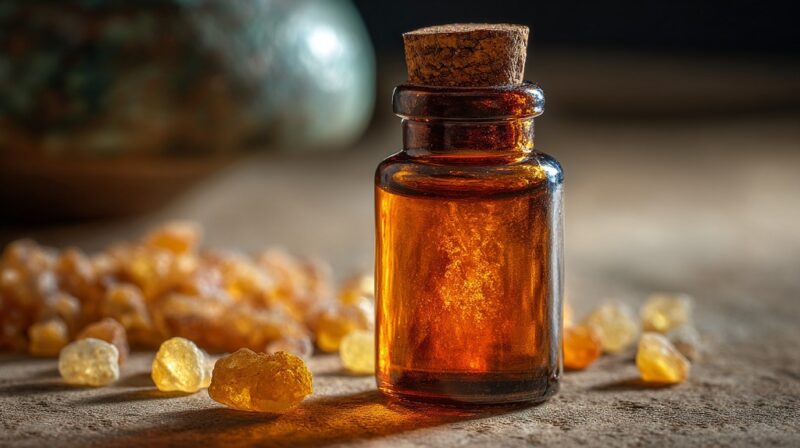
Frankincense oil supports long-term skin quality through sesquiterpenes and boswellic acids.
Oil regulation combines with reparative activity to improve tone and texture.
Key contributions become visible with regular nighttime use:
- Improved appearance of post-acne marks
- Enhanced defense against environmental stressors
- Calmer oil production patterns
Night serum application provides optimal conditions for repair and gradual refinement.
8. Camphor Oil
Camphor oil offers fast-acting astringent and antibacterial benefits suitable for very oily or inflamed skin types.
Cooling properties reduce shine while calming irritation.
Noticeable responses typically include:
- Reduced surface oil
- Temporary pore tightening
- Relief of inflamed areas
Usage requires strict dilution at 1 drop per teaspoon of carrier oil to avoid irritation.
9. Carrot Seed Oil
Carrot Seed oil supports renewal through carotol and antioxidant compounds that protect skin integrity while preventing over-drying.
Balanced nourishment improves tone without increasing oiliness.
Evening facial formulations benefit most, especially when focused on recovery and long-term texture improvement.
10. Orange and Ylang-Ylang Oils
Orange oil assists with detoxification and brightness through vitamin C-related compounds, while Ylang-Ylang oil targets bacterial activity and stress-related oil imbalance.
Combined use supports multiple skin responses:
- Brighter appearance without heaviness
- Reduced stress-triggered breakouts
- More consistent sebum output
Citrus oils require evening use only. Dilution guidelines recommend 1 to 2 drops per teaspoon of carrier oil for safe application.
Essential Oils for Blemishes, Skin Tags, and Uneven Texture
Essential oils also support the management of blemishes, minor skin tags, scars, and uneven tone caused by bacterial activity, irritation, or slow cell renewal.
Blemishes and Breakouts
Tea Tree, Lavender, and Frankincense oils create an effective acne-focused combination.
Usage involves 1 drop of each oil per teaspoon of carrier oil applied nightly to affected areas.
Activity includes inhibition of Cutibacterium acnes, swelling reduction, and scar prevention.
Minor Skin Tags
Tea Tree or Oregano oil offers drying and antimicrobial effects that may help flatten small skin tags treatment. Application involves a 1% to 2% dilution applied twice daily using a cotton swab while avoiding open skin.
Dermatological consultation remains necessary if a skin tag changes color, bleeds, or increases in size. The Amoils H-Skin Tags Formula uses Thuja and Melaleuca oils in dermatologist-tested concentrations for at-home care.
Uneven Texture and Tone
Lemon and Orange oils improve brightness through citral and vitamin C activity. Carrot Seed oil supports antioxidant repair and renewal. Rose and Sandalwood oils provide smoothing hydration.
Brightening Formula includes 2 drops Carrot Seed oil and 1 drop Lemon oil mixed into 1 tablespoon jojoba oil. Nighttime application supports tone refinement.
How to Use Essential Oils for Oily Skin
Now that we know what the best options are, let us take a look at the best ways to use essential oils for this type of skin.
Dilution Guidelines
Facial application requires approximately 1% dilution, calculated as 1 drop of essential oil per 1 teaspoon or 5 milliliters of carrier oil.
Recommended carrier oils include jojoba oil that mimics natural sebum, grapeseed oil with fast absorption, and hazelnut oil that offers mild astringent support.
Raasa advises avoiding sunlight exposure after citrus oil use and recommends nighttime application exclusively.
Application Methods
Cleansers benefit from adding 1 to 2 drops of Tea Tree or Lavender oil into gentle foaming formulas.
Toners work well with 2 to 3 diluted drops of Lemon or Rosemary oil mixed into witch hazel or distilled water.
Serums can include 1 to 2 drops mixed into oil-free moisturizers or carrier oils. Masks gain benefit through adding 1 to 2 drops into clay or charcoal bases.
Night Routine Formula provided by Raasa combines 2 drops Lavender oil and 1 drop Lemon oil mixed into 1 tablespoon of jojoba or grapeseed oil. Gentle massage across the T-zone supports oil reduction and enhanced clarity.
Patch Testing
Patch testing is required before facial application.
Diluted blends should be applied to the inner forearm and observed for 24 hours to confirm tolerance.
Benefits of Using Essential Oils for Oily Skin
First, let us address the benefits of using essential oils for oily skin.
Sebum Regulation
Essential oils such as Tea Tree, Lavender, and Geranium influence sebaceous signaling pathways that stabilize oil output over time. Balanced oil levels reduce shine while preventing dehydration-triggered rebound oiliness.
Purification and Acne Control
Antimicrobial compounds like terpinen-4-ol found in Tea Tree oil, linalool present in Lavender oil, and limonene contained in Lemon and Orange oils actively suppress acne-causing bacteria including Cutibacterium acnes. Reduced bacterial activity leads to fewer inflammatory breakouts and comedones.
Inflammation Reduction
Anti-inflammatory agents such as menthol in Peppermint oil and chamazulene in Chamomile oil calm redness, swelling, and irritation linked to active acne and congested pores.
Pore Refinement
Natural astringent properties found in Lemon, Rosemary, and Camphor oils help tighten pore appearance by improving skin tone and reducing congestion-related stretching.
Antioxidant Protection
Frankincense and Carrot Seed oils contain sesquiterpenes and carotenoid compounds that counter oxidative stress, support skin repair, and enhance long-term resilience against environmental damage.
Scientific findings cited by AG Organica indicate specific essential oils can reduce sebaceous gland size and measurable oil output. Peer-reviewed research also confirms antibacterial and anti-inflammatory activity of essential oil constituents used for acne-prone skin care.
The Bottom Line
Essential oils, when pure and correctly diluted, support oil balance, acne reduction, and texture refinement.
Optimal results rely on selecting antibacterial oils such as Tea Tree and Lemon, balancing oils such as Lavender and Geranium, and regenerative oils such as Frankincense and Carrot Seed.
Low concentrations and consistent nighttime routines ensure safety and effectiveness.
Complementary habits include proper hydration, balanced nutrition, and non-comedogenic skincare products.