
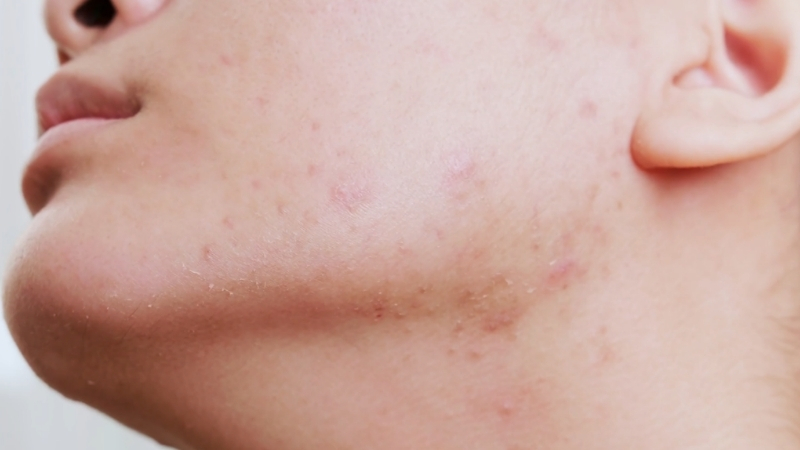
Chronic inflammatory skin disorders represent long-lasting conditions marked by:
- Inflammation
- Redness
- Itching
- Flaking
- Visible lesions
Symptoms often rise and fall, creating cycles of flare-ups followed by calmer periods.
Daily life can be disrupted through discomfort, sleep problems, and emotional strain that affect confidence and social interaction.
Modern dermatology offers effective ways to control symptoms and reduce long-term impact through targeted care and consistent management.
Let us take a look at the common chronic disorders and the right ways to tackle them.
1. Psoriasis
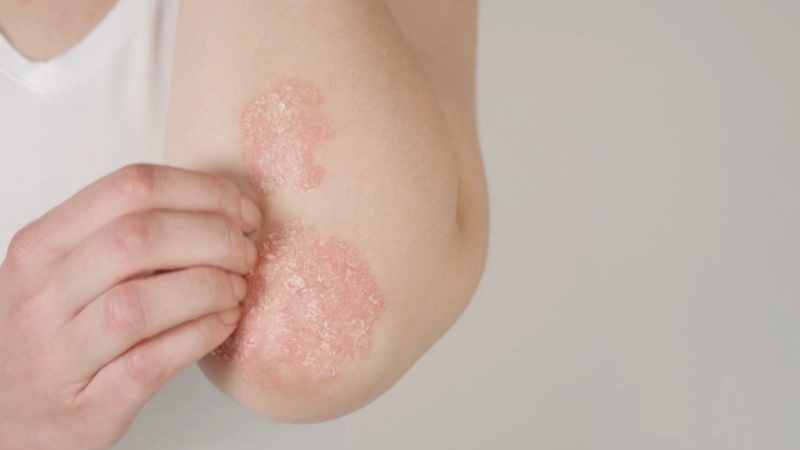
Psoriasis appears as a chronic autoimmune disease that accelerates skin cell turnover, leading to thick plaques covered with silvery scales.
Affected skin often looks inflamed and raised, with texture changes that feel rough or cracked.
Common locations include elbows, knees, scalp, and nails, areas frequently exposed to friction or pressure.
Active phases often involve persistent itching, soreness, and nail pitting that can interfere with daily tasks.
Cycles of flare-ups followed by remission require long-term planning rather than short-term fixes.
Several external and internal factors contribute to flare development, with patterns that many patients learn to recognize over time. Frequent triggers include the following:
- Emotional or physical stress
- Cold or dry weather conditions
- Smoking and excessive alcohol use
- Certain infections and prescription medications
Genetic predisposition plays a significant role, and higher prevalence appears among individuals living with other autoimmune disorders or prolonged stress. Family history often guides early screening and diagnosis.
Treatment aims to reduce inflammation and regulate immune activity. Mild to moderate disease often responds well to topical corticosteroids and vitamin D analogs that slow excessive cell growth.
Light therapy using UVB or PUVA helps manage widespread plaques.
Severe or treatment-resistant cases frequently require systemic options, including oral immunosuppressants or biologic therapies that target immune pathways such as TNF inhibitors.
Advanced biologics allow personalized care plans and sustained symptom control that support long-term quality of life.
2. Acne (Chronic or Adult-Onset)
Chronic or adult-onset acne develops through inflammation of pilosebaceous units, producing pimples, blackheads, nodules, cysts, and potential scarring.
Lesions commonly appear on the face, chest, and back, with patterns that often persist for years.
Hormonal imbalance, stress, and family history raise risk, particularly among adult women.
Poor hygiene does not cause acne, despite common misconceptions.
Several biological processes drive acne formation and influence treatment choices:
- Excess sebum production
- Clogged pores due to abnormal skin cell shedding
- Overgrowth of C. acnes bacteria
- Ongoing inflammatory response
Treatment varies by severity. Mild to moderate acne often responds to topical retinoids, benzoyl peroxide, or salicylic acid.
Resistant or hormonally driven cases may require oral antibiotics, hormonal therapies such as oral contraceptives, or anti-androgen medications.
For those specifically dealing with closed comedones, exploring effective whitehead treatment options can be an essential part of an acne care plan.
Severe disease may call for isotretinoin under medical supervision.
Scarring management focuses on restoring texture and reducing visible marks. Options include laser resurfacing, filler injections such as Juvederm, chemical peels, and microdermabrasion.
Advanced approaches like Ellipse Frax laser therapy combined with fillers offer lasting improvement in skin smoothness and tone.
3. Eczema (Atopic Dermatitis)
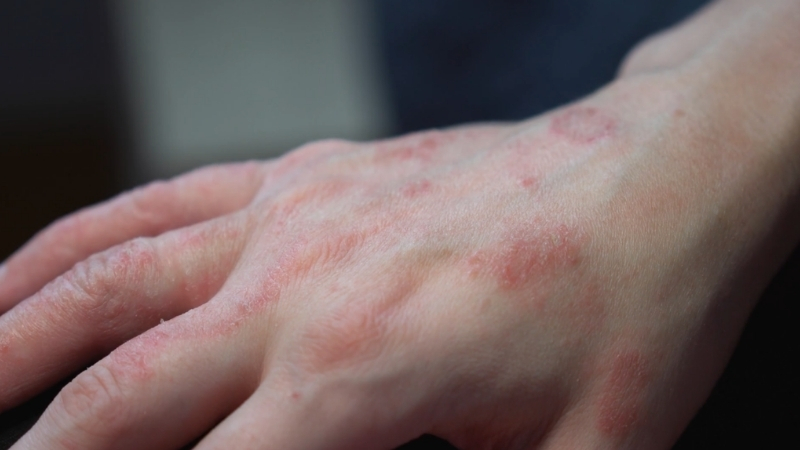
Eczema, also known as atopic dermatitis, presents as a chronic inflammatory condition characterized by dry, irritated, and intensely itchy skin.
Affected areas commonly include inner elbows, behind knees, neck, and hands, locations where skin folds or repeated movement weaken the barrier.
Nighttime itching often intensifies discomfort and disrupts sleep, leading to fatigue and reduced concentration.
Risk increases in individuals with personal or family history of:
- Eczema
- Asthma
- Hay fever
Onset frequently occurs during childhood, though symptoms may continue or reappear during adulthood.
Flare-ups often follow exposure to environmental or lifestyle factors that irritate sensitive skin.
Common triggers tend to fall into several categories:
- Environmental allergens such as dust mites or pet dander
- Harsh soaps, detergents, and fragranced products
- Sweat buildup and rough fabrics
- Rapid weather or humidity changes
Management focuses on repairing and maintaining the skin barrier. Daily use of moisturizers plays a central role in reducing dryness and preventing flares.
Prescription topical corticosteroids and calcineurin inhibitors help calm inflammation during active periods. Antihistamines may reduce itching, especially at night.
Long-term control depends on trigger avoidance and consistent use of gentle, fragrance-free skin care routines.
4. Rosacea
View this post on Instagram
Rosacea affects the central face and causes persistent redness, flushing, visible blood vessels, and acne-like bumps.
Several subtypes exist, including erythematotelangiectatic, papulopustular, phymatous, and ocular forms, each presenting with distinct features.
Symptoms often progress gradually, beginning with flushing and later developing into lasting redness or pustules.
Higher prevalence appears among middle-aged women with light skin.
Family history and smoking increase susceptibility, and symptoms often worsen without early management.
Certain lifestyle factors provoke frequent flare-ups, making daily habits an important part of care.
Common triggers that intensify facial redness include:
- Spicy foods and hot beverages
- Alcohol consumption
- Sun exposure without protection
- Temperature extremes and emotional stress
Mild cases often improve with topical treatments such as metronidazole or azelaic acid.
Moderate to severe disease may require oral antibiotics like doxycycline or other acne medications.
Laser or IPL therapy effectively reduces visible capillaries and persistent redness.
Cure does not exist, yet flare control remains achievable through coordinated topical care, systemic treatment, and trigger management.
5. Seborrheic Dermatitis
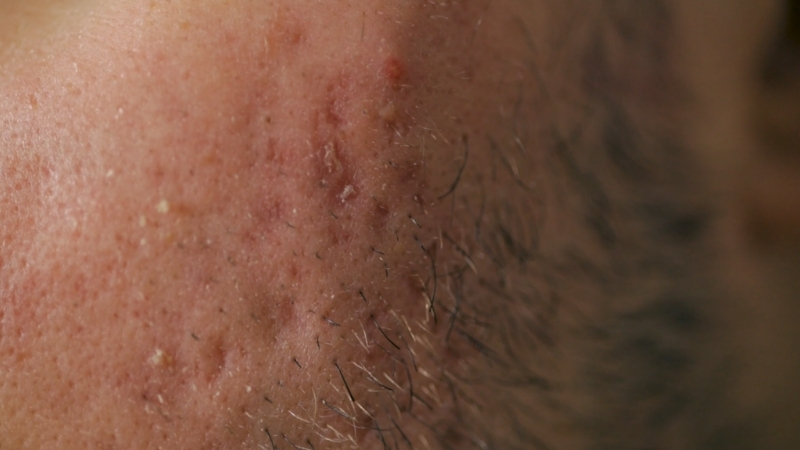
Seborrheic dermatitis presents as a chronic inflammatory disorder affecting oil-rich areas, including the scalp, eyebrows, sides of the nose, and chest.
Symptoms often include greasy redness, white or yellow scales, itching, and flaking that can resemble dandruff or eczema.
Visibility on the face and scalp may contribute to self-consciousness.
Several internal factors contribute to symptom development and persistence:
- Overgrowth of Malassezia yeast
- Increased oil production
- Individual skin sensitivity
Stress, seasonal shifts, and immune suppression, including HIV, often worsen symptoms or trigger flares.
The condition tends to improve and worsen cyclically rather than resolving permanently.
Treatment commonly involves medicated shampoos containing ketoconazole, selenium sulfide, or zinc pyrithione. Topical antifungals and low-strength corticosteroids reduce inflammation during active phases.
Gentle cleansing routines and oil control strategies support long-term remission. Personalized regimens addressing both yeast activity and inflammation provide the best outcomes.
6. Shingles (Herpes Zoster)
@kamotjelele Herpes Zoster known as Shingles 🦠 Disclaimer: ”All posts and opinions are strictly my own and do not reflect the views of my employer or any affiliated health establishment. Content is for general educational purposes only and is not a substitute for professional medical advice, diagnosis, or treatment. Please consult your personal healthcare provider for specific medical concerns.” #kamotjelele #chickenpox #shingles #herpes #herpeszoster ♬ original sound – Dr. Kamo Tjelele 🩺
Shingles develops through reactivation of the varicella-zoster virus, which remains dormant after childhood chickenpox infection.
The condition presents as a painful, blistering rash that usually appears on one side of the body. Burning, tingling, or sharp pain often begins days before visible skin changes.
Risk rises with age and immune suppression. Older adults and individuals with weakened immune systems experience higher rates and more severe symptoms.
Early medical care plays a critical role in limiting complications.
Key treatment priorities include:
- Prompt antiviral therapy, such as acyclovir, within 48 hours
- Pain control using NSAIDs or medications for nerve pain
- Monitoring for postherpetic neuralgia
Prevention relies on vaccination, with Shingrix providing strong protection and reducing severity even when shingles occurs.
7. Melasma
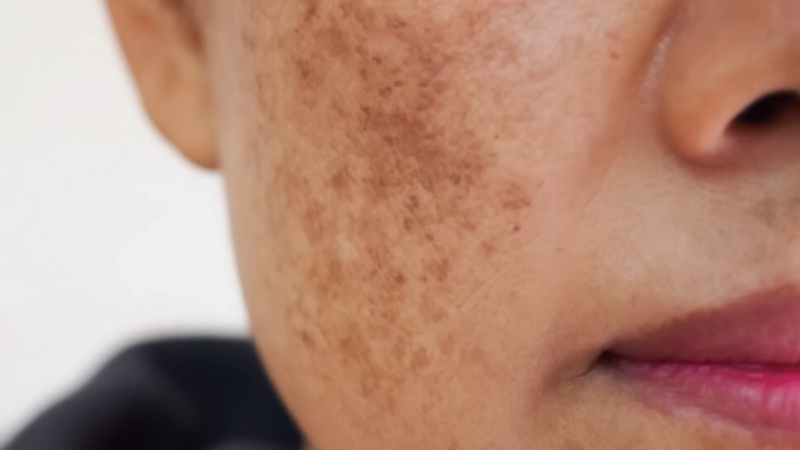
Melasma appears as a chronic pigmentation disorder marked by brown or gray patches on facial skin.
Higher prevalence occurs among women, especially during pregnancy or while using hormonal contraceptives.
Ultraviolet exposure, hormonal fluctuations, and genetic factors act as primary triggers.
Symmetrical patches most often develop on the cheeks, forehead, and upper lip, areas exposed to sunlight daily. Pigmentation may deepen without consistent protection.
Effective management depends on several coordinated strategies:
- Daily use of broad-spectrum SPF 50 or higher
- Topical agents such as hydroquinone, tretinoin, or azelaic acid
- Procedural options include chemical peels or laser therapy
Consistency and strict sun avoidance remain essential for long-term control and prevention of recurrence.
Summary
Chronic inflammatory skin diseases differ widely in appearance, cause, and treatment approach.
Ongoing advances in dermatology allow effective symptom control and meaningful improvement in daily life.
Personalized treatment plans created in partnership with a dermatologist remain essential for managing these lifelong conditions and maintaining skin health over time.