Intense Pulsed Light, commonly called IPL, is a non-invasive skin treatment that uses controlled pulses of broad-spectrum light to improve a wide range of cosmetic concerns.
Technology relies on multiple wavelengths of light delivered into the skin to target pigmented cells, damaged tissue, and vascular irregularities while also supporting natural collagen production.
IPL is often referred to as a photofacial due to its ability to refresh overall skin appearance.
Treatment is frequently used for pigmentation issues, redness, rosacea, sun damage, acne scarring, and visible signs of aging.
Multiple concerns can be addressed during a single session because IPL light is not limited to one wavelength, unlike laser treatments.
Common treatment areas include the face, neck, décolletage, and hands.
Light energy penetrates the skin and selectively targets problem cells while leaving surrounding tissue intact, allowing gradual skin renewal and improvement over time.
Treatment Process
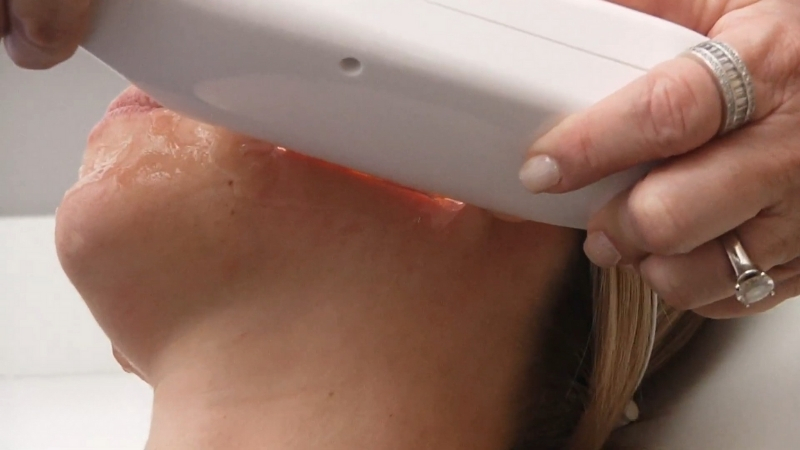
Careful preparation plays a major role in safe and effective IPL results.
Every treatment begins with a professional consultation designed to evaluate skin condition, medical history, and aesthetic goals. At Franklin Skin and Laser, expert providers use their experience and advanced technology to tailor treatments for optimal results.
Skin type, pigment depth, redness pattern, and lifestyle factors such as sun exposure are reviewed to create a personalized plan.
Safety guidelines, expected outcomes, and aftercare requirements are explained clearly before any light is applied.
Appointment length depends on treatment area size and complexity. Smaller zones require less time, while broader areas need longer sessions.
Typical timing expectations include the following details that help patients plan their visit:
- Small focal areas, such as the nose or isolated spots, usually require about 15 minutes
- Full-face treatments generally take up to 45 minutes
- Neck, chest, or hand treatments often fall between these time ranges
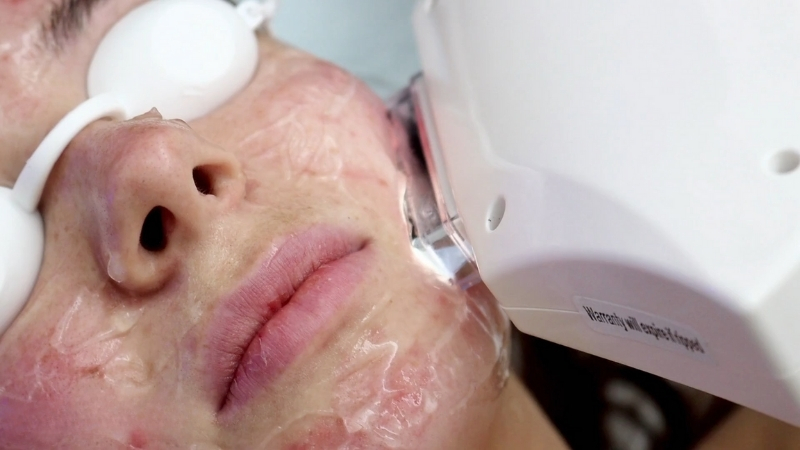
Treatment begins with the application of a cooling gel that protects the skin and enhances comfort.
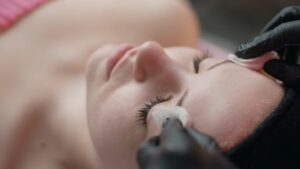
Controlled light pulses are then delivered to targeted areas using a handheld IPL device. Light energy penetrates the skin and selectively targets pigment and blood vessels while leaving surrounding tissue intact.
Mild warmth or snapping sensations may be felt during pulses.
Combination procedures are common, with IPL frequently paired with laser resurfacing or chemical peels to address multiple concerns during a single visit.
Key Benefits of IPL Treatment
IPL offers broad cosmetic improvement by addressing pigment, redness, texture, and inflammation during one treatment series.
Benefits develop gradually as damaged cells break down and natural skin renewal processes activate.
Pigmentation Correction
Uneven pigmentation caused by sun exposure responds well to IPL therapy. Freckles, sunspots, and age spots absorb light energy and darken temporarily before lifting away.
Most improvement occurs within one to three sessions, with a visible reduction commonly measured between 60% and 90%.
Clear progress often follows a predictable pattern that patients should expect:
- Darkened pigment appears within days after treatment
- Treated spots gradually rise toward the surface
- Flaking occurs over one to two weeks, revealing a clearer skin tone
Melasma and deeper pigment issues may also respond when IPL is combined with gentle chemical peels.
Paired approaches allow light energy and exfoliation to reach pigment located deeper within the skin.
Redness and Vascular Lesions
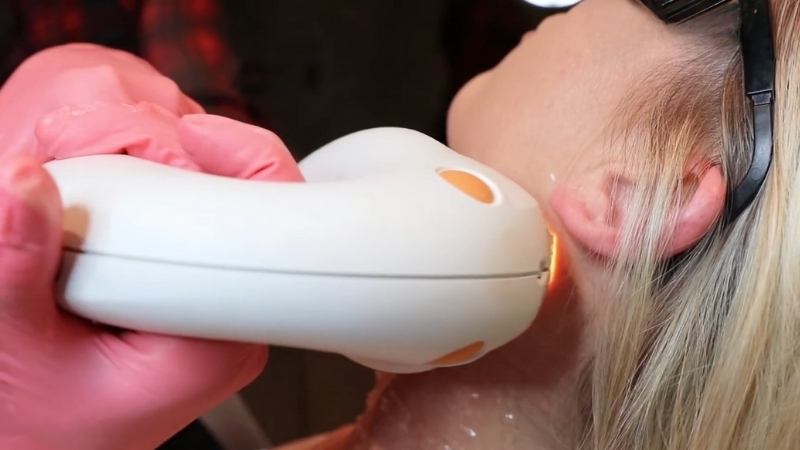
Persistent facial redness, broken capillaries, and small visible veins respond effectively to IPL therapy.
Light energy targets hemoglobin inside blood vessels, causing them to collapse and fade naturally.
Calmer skin tone develops over a series of sessions, with most individuals needing around three treatments for visible improvement.
Benefits commonly noted during vascular treatments include a gradual reduction in flushing and improved overall skin balance.
IPL serves as a valuable option for individuals seeking redness correction without laser-based methods.
Skin Texture and Tone Improvement
Collagen stimulation supports noticeable improvement in skin quality. Increased collagen production leads to smoother texture, improved firmness, and brighter appearance. Fine lines soften gradually as skin becomes more resilient and even.
Results tend to appear progressively, with noticeable brightness and clarity developing after two to three sessions. Skin often appears healthier and more uniform as the treatment series continues.
Acne and Acne Scarring
View this post on Instagram
Active acne benefits from IPL due to the reduction of inflammation and targeting of acne-causing bacteria.
Light energy also reduces redness associated with healing blemishes, helping skin appear calmer and clearer.
Post-acne marks and mild scarring improve as vascular and pigment components fade. Ongoing sessions support long-term clarity and reduction of visible acne-related discoloration.
Hair Removal as a Supplemental Benefit
Hair reduction may occur as an added effect of IPL treatment. Light energy heats hair follicles and disrupts growth cycles over time.
Facial hair removal is not a primary treatment goal, yet a gradual reduction may be noticed in treated areas after repeated sessions.
Number of Sessions and Expected Results
IPL works best as a series rather than a single session. Gradual treatment allows skin to recover and regenerate while pigment and redness fade naturally.
Most treatment plans involve three to six sessions spaced about four weeks apart. Spacing allows damaged cells to break down fully before additional light exposure. Expected progress typically follows a consistent pattern:
- Initial improvements often appear after two to three sessions
- Pigmentation and redness reduction commonly reach sixty to ninety percent after a full series
- Continued collagen stimulation may improve skin quality weeks after final treatment
IPL does not stop new pigment or redness triggered by sun exposure or aging. Maintenance sessions and proper skincare routines help preserve achieved results over time.
Risks and Side Effects
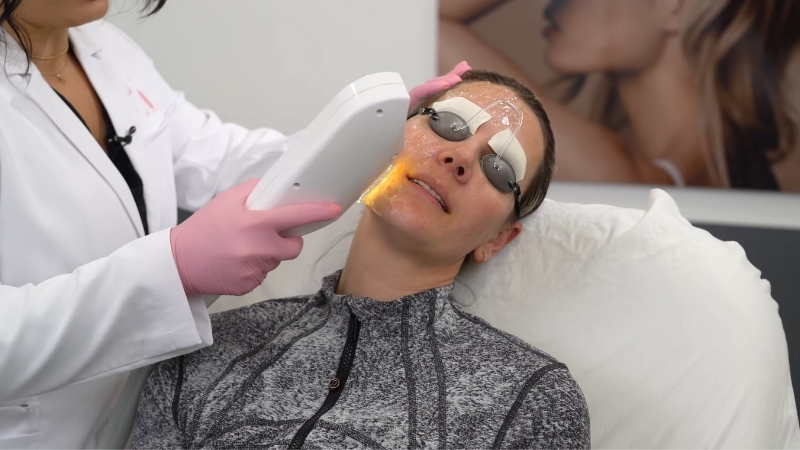
Temporary reactions are common and usually mild. Redness, swelling, warmth, and slight discomfort may appear immediately after treatment and typically resolve within hours or a few days.
Darkened pigment may crust and flake within five to fourteen days as treated spots heal.
Less frequent side effects can include temporary pale spots in treated areas, often called footprinting.
These changes usually fade as additional sessions are completed. Blistering or burning may occur if the skin has recent sun exposure or treatment parameters are unsuitable.
Skin tone significantly affects risk level.
Darker skin types face an increased likelihood of post-treatment pigmentation changes, including hyperpigmentation or hypopigmentation.
Changes usually fade over time, but may remain permanent in rare cases.
Strict sun avoidance and consistent SPF thirty or higher use are essential before and after treatment. Summer months carry an increased risk due to higher UV exposure.
Aftercare and Recovery
Recovery time remains minimal, allowing return to daily activities and makeup use immediately after treatment. Mild flushing may be visible initially and typically settles quickly.
Proper aftercare supports healing and protects results. Recommended steps include the following actions that reduce irritation and prevent complications:
- Application of cool gel or ice packs for up to thirty minutes after treatment
- Avoidance of direct sun exposure for at least four weeks
- Daily use of broad-spectrum SPF thirty or higher
Picking, scratching, or exfoliating treated skin should be avoided during healing. Retinoids and vitamin A products should be paused two days before treatment and resumed only after skin fully recovers.
Suitability and Contraindications
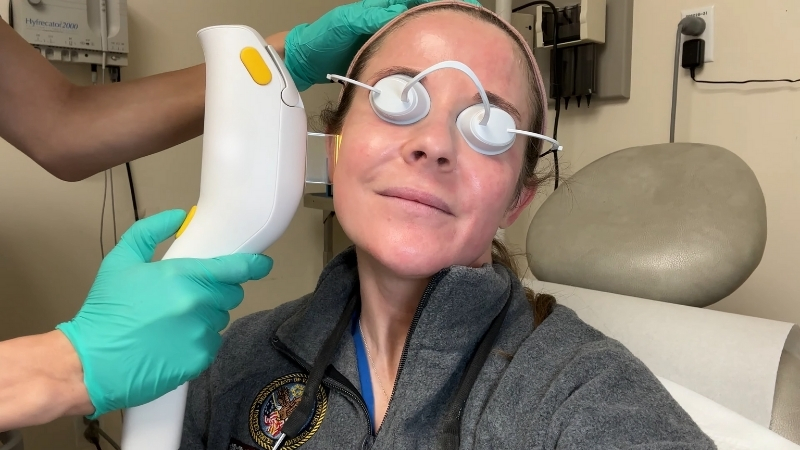
Best candidates include individuals with light to medium skin tones classified as Fitzpatrick types one through three.
Sun damage, uneven pigmentation, facial redness, rosacea, and mild acne respond particularly well to IPL therapy.
Treatment is not advised for very dark skin tones, pregnant individuals, those with active skin infections, certain medical conditions, or recently tanned skin.
Personalized consultation remains essential to assess safety and minimize unwanted effects.
Combination Treatments and Advanced Uses
IPL is frequently paired with additional treatments to enhance outcomes and address multiple concerns during a single visit. Advanced combinations allow customized approaches tailored to skin needs.
Common combined treatment options include the following approaches used for targeted correction:
- PhotoPeel, which pairs IPL with a gentle chemical peel to improve melasma and deeper pigmentation
- PhotoFrax, combining IPL with erbium laser technology for tightening, smoothing, and spot reduction
Long-term skin improvement plans often include IPL as one component of a broader strategy based on genetics, skin quality, and facial structure. Combined treatments allow plans to adapt over time as skin needs change.
Is IPL Right for You?
@dr_ingky IPL is not a laser #kekalsihat #tiktokguru #ipl ♬ original sound – Dr ingky
IPL offers a fast, non-invasive option for treating multiple skin concerns with minimal downtime.
Results vary based on skin type, condition severity, and the number of sessions completed.
Best outcomes occur with customized treatment plans performed by trained clinicians.
Professional consultation remains essential to determine suitability, manage expectations, and reduce the risk of side effects.