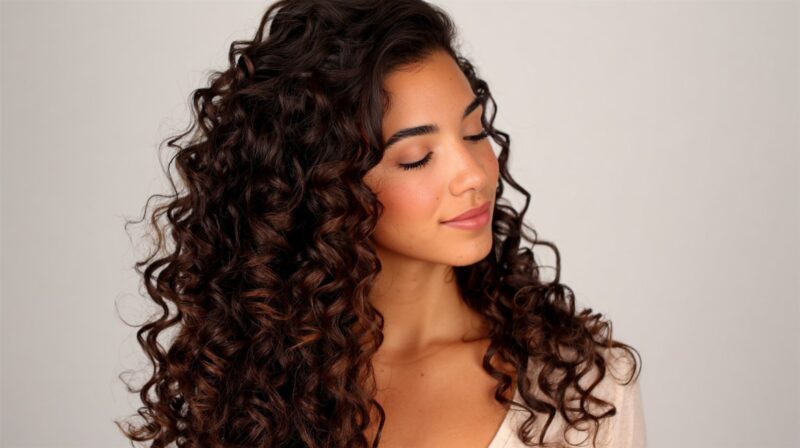
Heatless curls offer a way to style hair without exposing strands to damaging temperatures. Hair health improves over time since cuticles remain intact and moisture loss stays minimal. Styling without hot tools also removes any risk of burns or heat stress on the scalp.
Traditional no-heat techniques have resurfaced as many people return to methods passed down across generations. Fabric wraps, braids, and rollers, once used out of necessity, now serve as intentional styling choices.
Soft, natural-looking curls can be achieved with minimal effort, making heatless styling ideal for daily routines or overnight wear. Results feel relaxed and touchable rather than stiff or overstyled.
Without further ado, let us begin.
Step-by-Step Guide for Both Hair Types
Successful heatless curls rely on careful preparation, proper timing, and gentle handling at every stage. Consistency matters more than speed, especially when styling without heat.
Hair should be freshly washed and lightly towel-dried before styling begins. Moisture level plays a critical role, since overly wet hair struggles to set while overly dry hair resists reshaping.
Ideal results occur when strands reach roughly seventy to eighty percent dryness, leaving enough moisture for bonds to reset during drying.
Product choice needs to match hair type to support curl formation without causing heaviness or buildup.
Lightweight formulas suit finer textures, while thicker strands benefit from added moisture and definition. Product placement should stay focused on mid-lengths and ends to keep roots light and lifted.
Application works best when steps follow a clear sequence that supports even curl formation and long-lasting results.
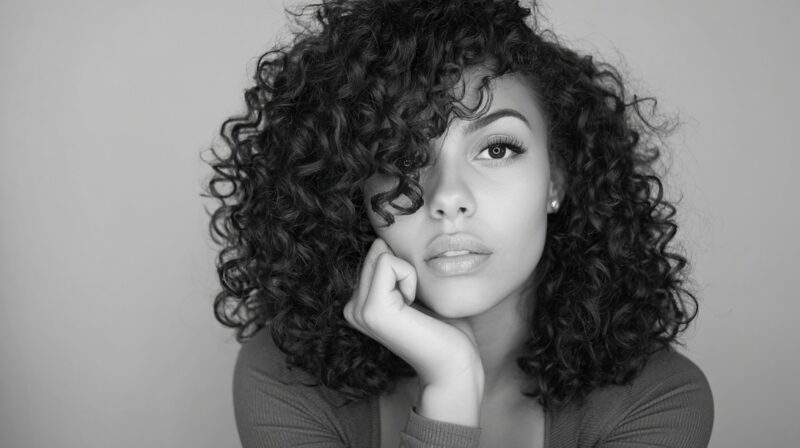
- Mousse works best for fine hair to add grip without weight
- Curl cream supports thick hair by enhancing shape and moisture
- Even tension across sections ensures uniform curl patterns
Hair should remain untouched until fully dry, which usually means overnight wear. Movement or early unraveling can weaken curl structure before bonds finish setting.
Morning styling calls for patience and a light touch to preserve definition.
Fingers work better than brushes when separating curls, since brushing pulls curls apart and creates unwanted frizz. Gentle separation keeps curls intact while allowing movement and softness.
Flexible-hold spray helps extend wear time without creating stiffness or crunch. Light application works best, focusing on mid-lengths rather than roots.
Light head flipping and gentle shaking at the roots add volume and lift without disturbing curl shape. Movement should stay minimal and controlled, allowing curls to settle naturally into place.
Techniques Ideal for Fine Hair
Fine hair often struggles to maintain curl shape without proper support, making method selection and product weight especially important.
Lightweight tension paired with smooth materials helps curls form without flattening roots or causing breakage. Styling approaches should prioritize definition while keeping strands airy and flexible.
Sock Curls
@tinipeart 8/10 so far, just need to work on getting the curls up a bit higher 💕 #sockcurls #sockcurlsresults #sockcurlstutorial #heatlesscurls ♬ La La La – Sped Up Version – Naughty Boy & Sam Smith
Sock curls suit fine hair due to gentle pressure and minimal weight. Slightly damp sections wrap around clean socks and secure with a knot or soft tie.
Spirals develop overnight as hair dries in place, leaving curls that feel soft and natural.
Comfort remains a major benefit since socks bend easily during sleep and avoid pulling on delicate strands.
Ribbon or Headband Curling
Silk or satin ribbons protect fine hair by reducing friction and surface roughness.
Hair wraps around a robe tie or fabric band placed across the head, creating consistent waves without heat exposure.
Results appear smoother and less frizzy due to reduced fabric drag during nighttime movement.
Small Braids or Twists
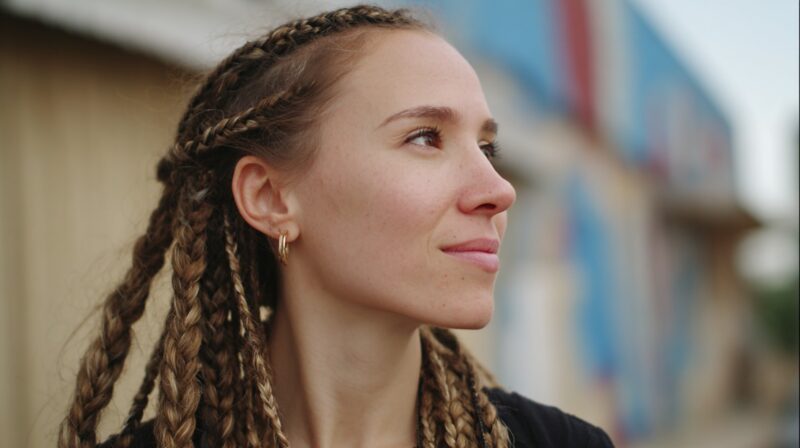
Smaller braids create tighter waves that fine hair tends to retain longer. Placement and tension influence final results, making preparation especially important.
- Four to six braids for noticeable definition
- Gentle tension to support curl formation without stress
- Starting below ear level to keep roots smooth and controlled
Small Flexi Rods
View this post on Instagram
Lightweight flexi rods shape curls without dents or harsh bends.
Mousse adds hold while keeping strands buoyant and touchable.
Fine hair often maintains these curls longer than looser wrapping methods due to consistent rod shape and even drying.
Techniques Ideal for Thick Hair
Thick hair benefits greatly through methods that offer structure and support due to added weight and density.
Larger sections paired with stronger materials help curls set evenly. Product selection also plays a role, especially for moisture retention and frizz control.
Braided Methods

Braiding works especially well for thick hair because density helps curls hold shape once released.
Section size determines curl outcome and overall texture.
- Two or three large braids for loose waves
- Four to six braids for stronger definition
- Thick elastics to secure ends and prevent unraveling
Headband or Ribbon Wraps
@sarasaadia Can’t wait to see how these turn out! I’ve done headband heatless curls before but not with this kind of headband! Had to try asap! 🤍 products: @Kérastase Gloss Absolu Glaze Drops @Fable & Mane detangling leave-in conditioner ib:@Dani Albino #hairhacks #hairtips #heatlesscurls #curls #hair ♬ original sound – ⋆𝕸𝖚𝖘𝖎𝖈⋆
Wider bands manage larger sections with ease. Satin or silk materials limit friction and reduce stress during overnight wear. Waves release smoothly once hair dries fully, leaving a soft and polished finish.
Jumbo Foam Rollers
@realashleyrogers jumbo rollers this time #hairtok #rollerset #blowout #heatlesscurls #dallasinfluencer #dallascontentcreator ♬ original sound – realashleyrogers
Larger foam rollers support heavier strands and encourage lasting curl formation. Soft foam construction allows comfortable sleep without pressure points.
Roller diameter should match section size to avoid uneven or misshapen curls.
Twist and Pin or Bantu Knots
Small twisted buns secured with pins shape thick hair into soft, lived-in waves. Versatility suits many lengths and textures, making this method a reliable option. Defined curls release easily once pins are removed after complete drying.
Paper Towel Curls
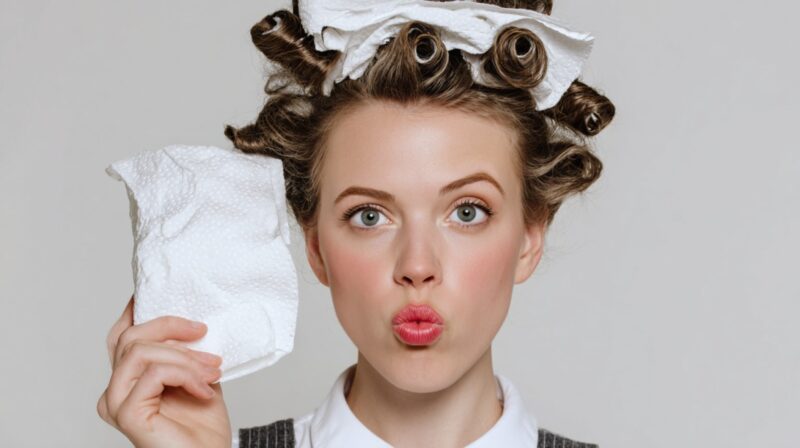
Paper towel curls create noticeable volume and bounce while controlling excess moisture.
Absorbent material supports curl setting overnight, making this option especially effective for thick or porous hair needing added structure.
Heatless Curl Methods Overview
Heat-free styling offers a wide range of options suited to different hair lengths, textures, and daily routines. Flexibility remains a major benefit since techniques adjust easily for tighter curls, loose waves, or added volume without relying on hot tools.
Styling choices feel adaptable and practical, especially for people aiming to protect hair health long term.
Comfort and ease matter just as much as visual results, particularly for overnight styling. Many heatless methods allow movement during sleep without causing tension or scalp discomfort.
Materials like fabric, foam, or paper help hair set gently while drying.
Several methods deliver consistent results with minimal effort. Each technique shapes hair differently based on tension level, section size, and material type.
- Sock curls designed for soft spirals and overnight comfort
- Headband or ribbon wrapping intended for loose, flowing waves
- Braids that adjust texture through size, placement, and tightness
Additional techniques provide stronger structure or longer curl retention. Foam rollers support defined curls while remaining sleep-friendly. Paper towel curls boost bounce while absorbing excess moisture during drying.
Twist and pin styles create relaxed movement with a natural finish suited to everyday wear. Flexi rods maintain a uniform curl shape without stiffness or sharp bends. Pin curls deliver classic definition with strong hold that lasts throughout the day.
Summary
Heatless curling methods support healthier styling habits for fine and thick hair alike. Technique selection paired with proper preparation improves curl longevity and overall appearance.
Consistent results depend on moisture level, sectioning, and product choice rather than heat exposure.