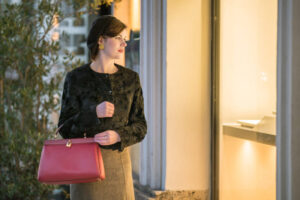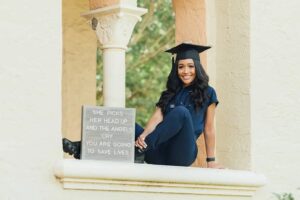
Looking great in portraits is not about perfect features or flawless skin. Strong images come down to:
Small adjustments in how you hold your body and engage your face can completely transform the final result.
Confidence and body language shape how a portrait feels. When posture is open and expression is relaxed, photos look natural and memorable.
Anyone can look photogenic with the right techniques, regardless of natural features.
Preparing for the Portrait
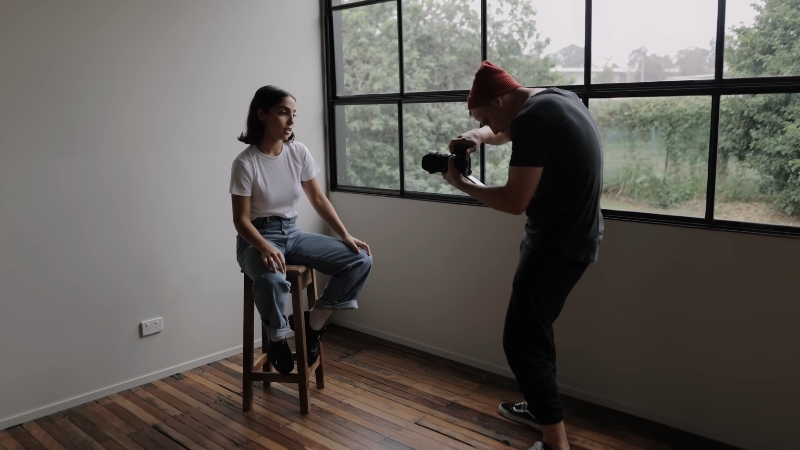
Strong portraits begin before the camera is lifted.
Preparation shapes posture, expression, and overall presence long before the shutter clicks.
Mental state and clothing choices directly influence how natural and confident a person looks on camera.
Mindset and Confidence
Confidence matters more than physical traits. Someone who feels comfortable in their own skin will photograph better than someone fixated on perceived flaws.
Self-assurance shows up in posture, eye contact, and subtle facial control.
A simple mental reset can shift the entire energy of a shoot. Helpful reminders include:
Calm energy creates relaxed body language. Taking a few moments to breathe slowly before the camera starts clicking reduces stiffness in the face and shoulders. Inhale through the nose, hold briefly, then exhale slowly.
That small ritual relaxes the jaw, lowers the shoulders, and softens the eyes. When tension fades, expressions look natural rather than forced.
Posture often shifts automatically when confidence rises. Head lifts slightly, spine straightens, and gaze becomes steady. The camera captures those subtle adjustments instantly.
Styling Basics
Clothing influences comfort, and comfort shapes body language.
Tight outfits, restrictive fabrics, or distracting accessories create visible tension in the shoulders, neck, and hands. Fabric that pulls or pinches can cause stiff posture without you realizing it.
Clothing choices should support ease of movement and natural posing. Consider a few practical guidelines:
Neutral tones or flattering colors often work best in portraits. Simple styling keeps attention on the face instead of pulling focus toward loud patterns. Solid colors tend to photograph cleanly and prevent visual distractions.
Hair and grooming also affect confidence. Neat styling that feels authentic helps maintain relaxed expression.
When you feel put together, body language usually follows.
Face Angles and Expression
Face positioning determines how light shapes features and how the viewer connects with the subject.
Small angle adjustments can dramatically improve definition and depth.
Studying professional portrait examples on Dreamstime can help you see how subtle shifts in angle change facial definition and lighting impact.
Lean Forward for Better Focus
Leaning slightly toward the camera creates separation between head and torso.
That subtle movement brings attention to the eyes and face, which carry most of the emotional impact in a portrait.
Even a minimal forward lean prevents a flat look. The camera tends to compress features when a person leans back. Moving slightly forward counters that effect and adds dimension.
Chin and Jawline
Camera angle plays a major role in defining the jawline. Photos taken slightly above eye level tend to be flattering because a gentle downward angle elongates the neck and sharpens facial contours.
Extending the neck lightly forward reduces the appearance of a double chin. Think of projecting the forehead a small amount toward the lens while keeping the posture tall. Movement should feel subtle, not exaggerated.
Another helpful adjustment involves lowering the chin slightly after extending forward. That combination refines the jawline and creates a cleaner profile.
Eyes and Expression
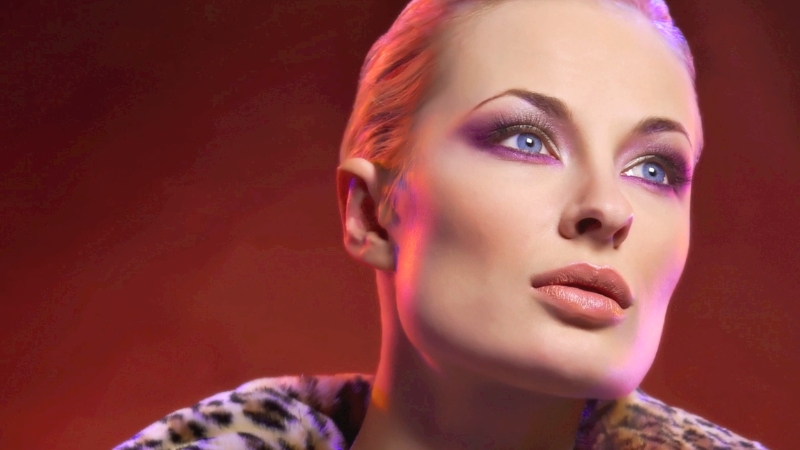
Eyes communicate emotion faster than any other feature. Genuine expression appears in relaxed eyelids and focused gaze. Wide, forced eyes often signal tension.
Confidence in the eyes can be created with controlled intensity. Slight squinting, often called a smize, narrows the eyelids just enough to avoid a startled look. That gentle contraction adds depth and presence.
Practice helps refine eye expression. Try shifting your focus slightly above the lens, then directly into it, and notice how the mood changes.
Subtle differences in gaze direction can transform the feel of the image.
Natural Smile and Avoiding Awkwardness
Smiles look best when they build naturally rather than appearing on command. Forced grins tighten the mouth and flatten the eyes. Authentic smiles usually begin in the eyes and travel downward.
Physical tension often interferes with expression. Pay attention to these areas that commonly hold stress:
Hands should not be laced near the face or hidden awkwardly. Distracting hand placement draws focus away from expression.
Let your hands rest naturally or interact gently with clothing.
Relaxed shoulders and a lengthened neck create openness. Dropping tension in the shoulders immediately improves how the face appears.
Playfulness can also unlock natural smiles. Light movement, casual conversation, or a brief laugh produce expressions that feel spontaneous.
Posture, Body Position, and Presence
View this post on Instagram
Body position frames the face and communicates confidence instantly.
Even subtle shifts in stance influence how powerful or relaxed a portrait appears.
Straight spine and shoulders placed down and slightly back project confidence. Good posture makes a person look self-assured and composed.
Slouching, in contrast, can signal uncertainty. Standing tall changes perception in seconds.
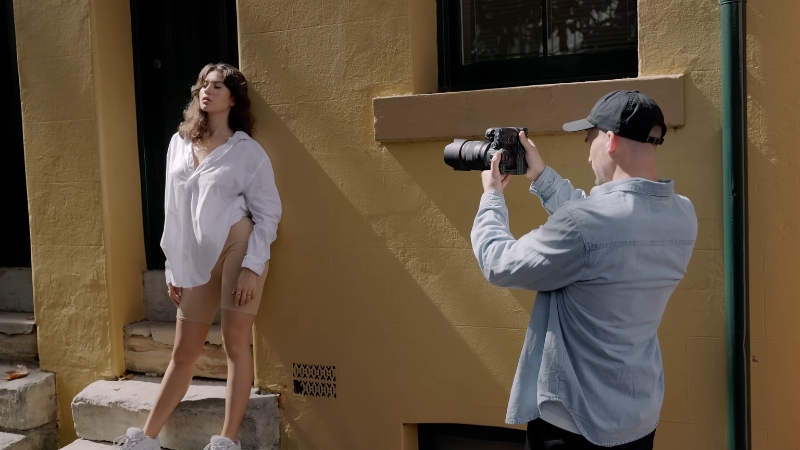
Body angle adds shape and visual interest. Turning about 45 degrees instead of facing the camera straight on creates dimension. A slight angle often appears slimmer and more dynamic.
Weight distribution affects the overall silhouette. Shifting weight onto the back leg creates a natural S curve.
That gentle asymmetry prevents stiffness and makes the pose feel effortless.
Arms pressed tightly against the body flatten the shape and create a compressed look. The small space between limbs and torso defines contours and improves proportion.
Expression Tips
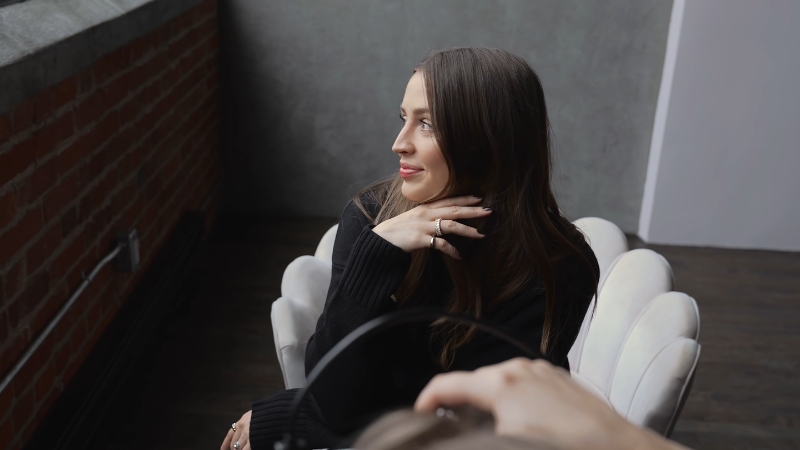
Expression completes the portrait. Technical posture adjustments matter, yet emotion ultimately determines how compelling the image feels.
Relaxation and Breath
Breath control remains one of the simplest tools for improving facial softness. Deep breathing relaxes muscles around the mouth and eyes.
One steady inhale followed by a slow exhale right before the shutter clicks can release jaw tension and smooth the brow.
Breathing rhythm also steadies eye contact. Calm breath produces a calm gaze.
Movement and Interaction
Stillness often creates stiffness. Gentle motion adds life to portraits and prevents rigid posing. Subtle actions that work well include:
Motion encourages authentic reactions. A photographer often captures the most natural expressions in transitional moments rather than in fully posed positions.
Eye Engagement
Connection happens through the eyes. Direct eye contact with the lens creates a strong visual link with the viewer. A confident gaze communicates intention and presence.
Intensity can be adjusted depending on mood. Soft eyes convey warmth, while a focused gaze communicates strength. Conscious control of eye engagement elevates the overall portrait.
Summary
@lookgoodinphotos DAY 1: HOW TO LOOK GOOD IN PHOTOS | Welcome to my new series where I teach you step by step how to look good in photos. This is actually an old series that I started in January of last year, but time got away from me! For today’s lesson we’re going over the importance of shifting your weight when you pose for photos. If you feel like your body looks super different in photos than it does when you look in the mirror, this is most likely because you aren’t shifting your weight properly in photos. When it comes to posing for photos you have to remember two things: 1. When we take a photo of someone, we’re taking a 3D human and compressing them into a 2D object. Because of this, cameras “see” depth differently than our eyes do. 2. Whatever is closest to the camera’s lens looks largest, and whatever is farthest away looks smallest. Because of this, you want to avoid having your weight evenly distributed between both feet. Instead, shift your weight to the side, or step backward with one leg. If you found this helpful, I have a free guide in my profile breaking down my “Five Secrets for Better Photos.” – How to pose. How to look good in photos. How to be photogenic. #posingtips #howtopose ♬ original sound – CHRISTINE BUZAN | POSING TIPS
Looking great in portraits comes down to confidence, posture, angles, relaxed expression, and presence. Perfect features are not required.
Small adjustments in how you stand, move, and engage the camera can dramatically improve how natural and powerful you appear in photos.