Retinol is one of the most researched and effective ingredients in skincare. Dermatologists recommend it for softening fine lines, improving uneven texture, reducing acne breakouts, and evening out skin tone. Results depend not only on the formula itself but also on proper application technique.
Many beginners make a simple mistake that can lead to irritation and frustration.
Applying retinol to damp or wet skin may seem harmless, especially since other products are often applied that way. In reality, damp application increases the risk of redness, peeling, and sensitivity.
Proper timing and technique make a significant difference in comfort and results. Dry skin provides a more controlled environment for retinol to perform as intended.
Key Reasons to Avoid Applying Retinol on Damp Skin
Application technique directly affects how skin tolerates retinol. Damp skin may seem like a minor detail, yet moisture changes how active ingredients behave on the surface and within the barrier.
Several important concerns explain why dry skin is strongly preferred.
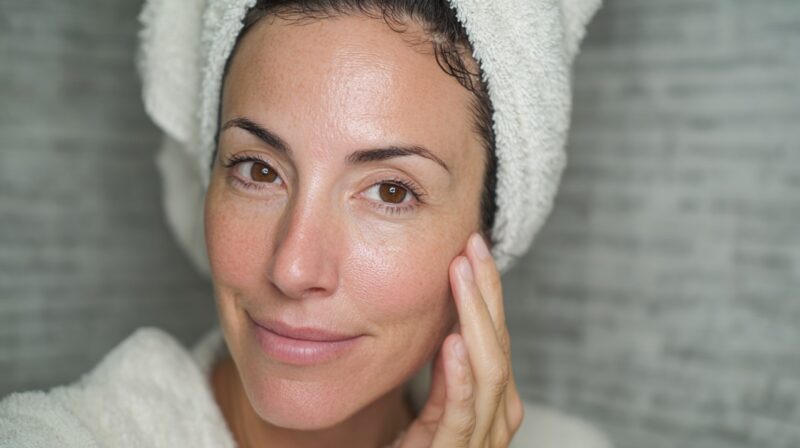
Higher Risk of Irritation and Sensitivity
Moisture increases skin permeability, allowing more retinol to enter at once. Rapid penetration often overwhelms skin cells that are not yet adjusted to vitamin A derivatives. Irritation becomes more intense and more difficult to control.
- Persistent redness that lasts longer than a few hours
- Stinging or burning sensations shortly after application
- Tightness that worsens after cleansing
- Visible peeling around the mouth, nose, and chin
Skincare professionals consistently describe damp application as a frequent beginner mistake. Controlled absorption on dry skin lowers the chance of triggering these reactions and supports gradual adaptation.
Redness, Peeling, and Dryness Become More Likely
Retinol already accelerates cell turnover. Increased penetration on damp skin amplifies that process, often pushing skin past its comfort threshold.
New users and individuals with sensitive complexions face a greater risk.
- Flaking that interferes with makeup application
- Rough texture that feels sandpaper-like
- Heightened sensitivity to other products
- Temporary breakouts caused by inflammation
Irritated skin often requires days or even weeks of recovery. Interrupted routines slow visible progress and create unnecessary setbacks.
Reduced Potency in Some Cases
Retinol functions best in stable, oil-based environments. Water on the surface can interfere with that balance. Elevated skin pH during damp conditions may reduce optimal activity.
Dry skin supports better consistency and allows the formula to interact with the skin as intended.
Confirmed Common Mistakes by Experts
Professional skincare advice frequently lists damp application among the top retinol errors. Many people assume that increased absorption always improves results because hydrating serums benefit from slight dampness.
Retinol behaves differently. Greater penetration does not translate to faster smoothing of fine lines or clearer pores. Irritation risk rises without improving long-term outcomes. Dry application remains the safer and more reliable method.
What Happens When You Apply Retinol on Damp Skin
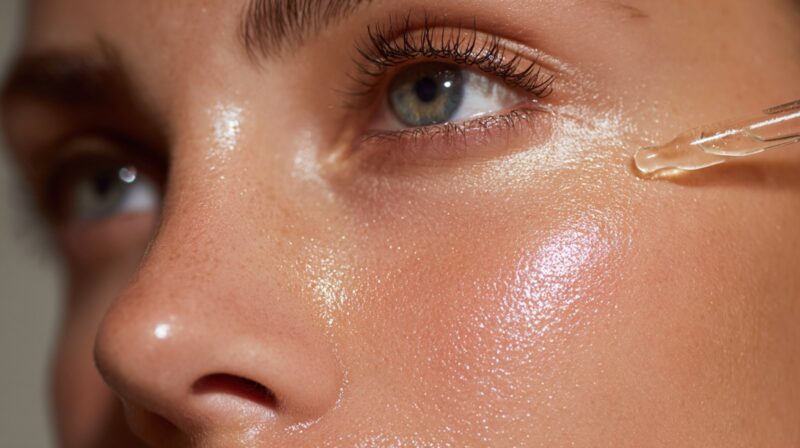
Water changes both skin structure and product behavior. Surface moisture temporarily alters barrier strength, pH balance, and absorption rate. Each of these shifts affects how retinol performs.
Skin Absorption and Permeability
Stratum corneum forms the outer protective layer of skin. When exposed to water, that layer swells and loosens. Gaps between skin cells widen, increasing permeability.
- Faster ingredient penetration
- Higher concentration reaching deeper layers at once
- Reduced control over dosage delivered to skin cells
Rapid delivery can trigger what many describe as a retinoid reaction. Symptoms may include burning, redness, and excessive peeling. Gradual absorption on dry skin allows better tolerance and long-term consistency.
Retinol’s Oil-Based Nature
Retinol is oil-soluble and formulated for stability in low-water conditions. Wet skin creates a higher pH environment that is less favorable for optimal activity. Stability plays a crucial role in maintaining effectiveness.
- Disrupt the even distribution of the formula
- Thin the product layer before it settles
- Interfere with predictable absorption patterns
Dry skin offers a more controlled setting. Stability improves, and performance remains more consistent over time.
How to Apply Retinol Correctly
View this post on Instagram
Proper technique maximizes benefits while reducing side effects. Small adjustments in timing and layering can dramatically improve comfort and visible results.
Start with Completely Dry Skin
After cleansing, allow skin to air dry fully. Waiting about twenty minutes gives skin time to return to its natural pH and baseline condition. Fully dry skin limits excessive penetration and reduces irritation risk.
Use the Right Amount
Measured application protects the barrier. A pea-sized amount is sufficient for the entire face. Focus on spreading a thin, even layer rather than adding extra product.
- Applying a second layer for faster results
- Spot treating large areas with thick amounts
- Reapplying within the same night
Moderation supports steady improvement without overwhelming the skin.
Nighttime Application Only
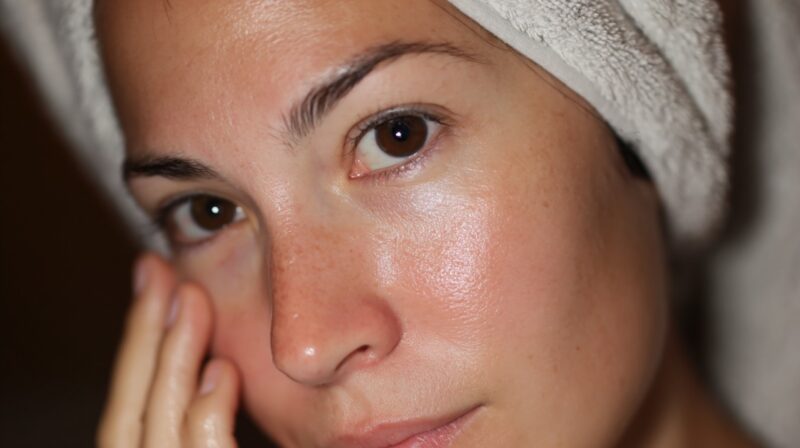
Retinol breaks down in sunlight and increases photosensitivity. Evening use preserves formula stability and protects skin during treatment. Daily sunscreen remains essential during daytime hours.
Moisturize After Absorption
Allow retinol to absorb for about ten minutes before applying moisturizer. Hydration afterward helps reduce dryness and strengthens the barrier.
Layering in this order supports effectiveness while maintaining skin balance.
Ease Into Frequency
Gradual introduction allows the skin to adapt. Beginners should start with two to three nights per week. Frequency can increase slowly as tolerance builds.
Consistency over months produces a smoother texture and clearer tone without unnecessary irritation.
Common Misconceptions About Retinol Application
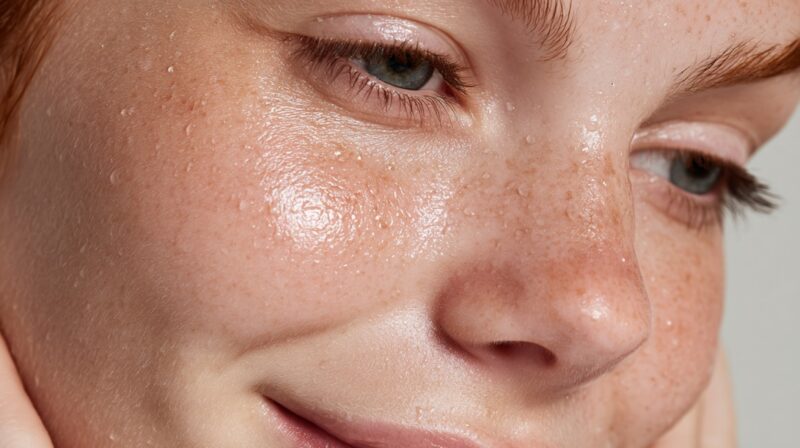
Confusion around retinol often leads to habits that increase side effects. Clearing up common myths helps create a safer routine.
Myth #1: Applying on Damp Skin Enhances Effectiveness
Greater absorption is often mistaken for greater effectiveness. Damp skin allows retinol to penetrate more quickly and more deeply, yet speed does not equal better performance. Rapid delivery can overwhelm skin cells and trigger inflammation.
Short-term irritation does not mean the product is working harder. Instead, it often signals that skin is struggling to tolerate the concentration. Increased redness, burning, and peeling can interrupt progress and force longer breaks between applications.
Gradual stimulation of collagen production and cell turnover produces sustainable improvements. Dry application supports that steady process without unnecessary setbacks.
Myth #2: Moisturizer Must Wait Too Long After Retinol
Some believe that applying moisturizer shortly after retinol weakens its power. In reality, once retinol has had several minutes to absorb, layering moisturizer does not cancel its activity.
Waiting about ten minutes allows initial absorption to occur. Hydrating afterward can improve comfort and reduce dryness, especially during the early stages of use. Skin that remains calm and intact responds more predictably to retinol over time.
Barrier health plays a major role in treatment success. Well-hydrated skin tolerates active ingredients more effectively than dry, compromised skin.
Myth #3: More Product Means Faster Results
Applying a thicker layer does not speed up collagen stimulation or accelerate cell turnover. Skin can only process a limited amount of retinol at one time. Excess product increases the likelihood of inflammation without delivering extra benefit.
Overuse places stress on the barrier and may trigger prolonged irritation. Instead of faster smoothing of fine lines or quicker acne improvement, users often experience setbacks that require stopping treatment temporarily.
Consistent, moderate application remains the most reliable method for achieving smoother texture, clearer pores, and more even tone. Patience and proper technique protect the skin while allowing retinol to perform effectively over time.
@shereeneidriss Retinol lies that need to die from a dermatologist 🔥 #retinol #retinoid #tretinoin #retinolskincare #aging #finelines #wrinkles #collagen #dermatologist #shereeneidriss #dridriss @ShereeneIdriss ♬ original sound – ShereeneIdriss
Summary
Applying retinol on damp skin increases the likelihood of irritation and may interfere with optimal performance. Fully dry skin provides a more stable environment for safe and effective use.
Waiting for skin to dry completely, using a pea-sized amount, applying at night, and building frequency gradually help maximize benefits while minimizing unwanted side effects.