“Makeup food” describes the use of edible kitchen ingredients as natural beauty products.
Interest in do-it-yourself beauty routines has grown as more people look for alternatives to cosmetics that contain synthetic chemicals such as parabens and artificial fragrances.
Simple ingredients found in a kitchen often perform several beauty tasks, including makeup preparation, skincare, and makeup removal.
Kitchen staples provide practical benefits for personal care.
Many common foods already appear in professional cosmetic formulas.
Oils, honey, herbal extracts, and powdered grains often appear in skincare and makeup products designed for hydration, cleansing, and skin conditioning.
Home beauty routines built around familiar ingredients offer a simple and accessible approach to makeup preparation and skincare maintenance.
Let’s talk about it.
1. Coconut Oil
Coconut oil has long been valued in natural beauty routines because of its moisturizing and cleansing properties.
Fatty acids present in coconut oil help nourish skin while forming a protective layer that helps retain moisture.
Antimicrobial compounds support skin health and may help limit irritation. Regular topical use can improve skin softness and maintain hydration during makeup preparation.
Several important characteristics explain why coconut oil performs well in natural makeup routines:
Low molecular weight allows coconut oil to absorb effectively into the skin.
Makeup dissolves easily when oil breaks down pigments and waterproof formulas, making removal gentle and efficient.
Smooth texture also creates a soft finish that works well as a natural makeup base. Lightweight consistency allows small amounts to spread evenly across the skin.
Practical cosmetic uses make coconut oil a flexible ingredient in daily routines:
Small amounts applied to cheekbones can add a light reflective effect that resembles a natural highlighter.
Eye makeup removal becomes easier since oil dissolves stubborn products without aggressive rubbing.
Hydrating effects leave skin soft after cleansing and help maintain smooth texture before additional skincare steps.
2. Beetroot
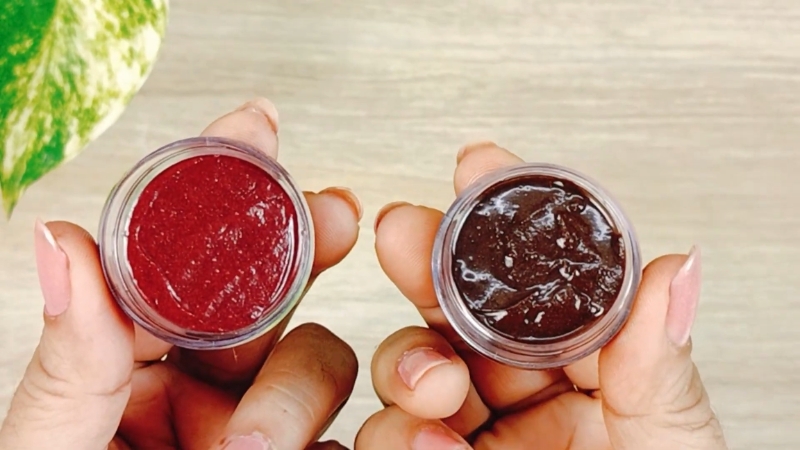
Beetroot contains strong natural pigments that create vibrant red and pink shades suitable for makeup.
Many food ingredients used in beauty products are also studied for their properties in professional kitchens, including programs focused on culinary arts new york.
Natural color makes beetroot a popular option in edible cosmetics designed for lips and cheeks.
Plant pigments provide color without the synthetic dyes commonly used in commercial cosmetics.
Color intensity in beetroot comes mainly from naturally occurring pigments:
Antioxidants present in beetroot support skin protection against environmental stress. Natural compounds may also contribute to skin nourishment during cosmetic use.
Powdered beetroot or fresh juice creates a noticeable tint while maintaining a lightweight feel.
Natural pigments allow gradual color buildup depending on the amount applied.
Several makeup applications demonstrate how beetroot can function in a simple beauty routine. Lip stains created using beetroot juice produce a soft red tint that can last several hours without feeling heavy.
Cheeks can also receive gentle color when small amounts are blended onto skin as natural blush. Color intensity adjusts easily depending on how much pigment is used.
3. Honey
View this post on Instagram
Honey functions as a powerful moisturizing ingredient due to its humectant properties that help skin retain moisture.
Natural sugars attract and hold water in skin layers, creating a hydrated surface that improves makeup application.
Antibacterial qualities support skincare routines designed for sensitive or acne-prone skin.
Multiple natural characteristics make honey valuable in skincare preparation:
Soothing effects help calm irritation while maintaining skin softness.
The texture of honey also forms a protective layer that keeps moisture on the skin surface.
Combination with ingredients such as baking soda creates mild cleansing or exfoliating mixtures used before makeup application.
Several beauty preparations commonly use honey because of these benefits:
Regular use helps create a smoother skin surface that improves the appearance of makeup products such as foundation, concealer, and lipstick.
4. Green Tea
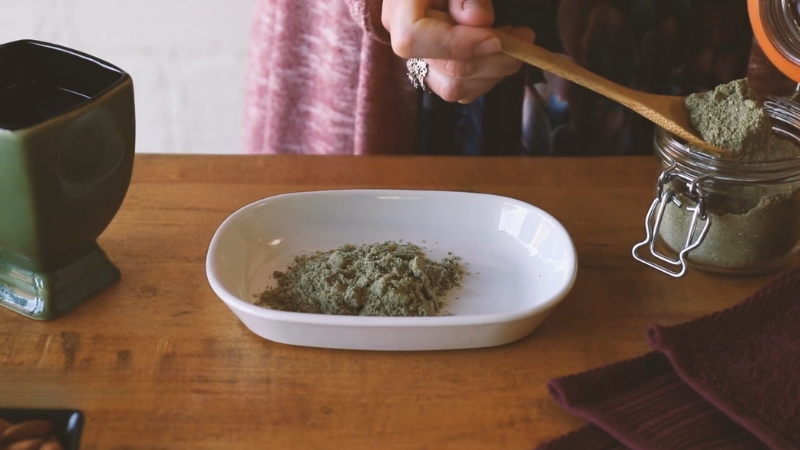
Green tea contains high levels of antioxidants that support skin health. Anti-inflammatory compounds help reduce redness and irritation, making skin calmer before makeup application.
Protective antioxidants also help defend skin against environmental stress linked to aging.
Important active components explain why green tea is often used in cosmetic preparations:
Cosmetic formulations frequently include green tea extract because these compounds support a healthier skin appearance.
Natural skincare routines often use brewed green tea as a simple preparation treatment before applying foundation or concealer. The cooling effect also refreshes tired skin.
Several preparation methods allow green tea to assist with makeup routines. Facial toner made with cooled green tea refreshes skin and prepares it for cosmetics.
Cotton pads soaked in chilled green tea can be placed over closed eyes to reduce puffiness and dark circles.
Cooling sensation slightly tightens skin, which helps create a smoother surface for concealer and eye makeup.
5. Oatmeal
@tenishaward1Oatmeal on face BENEFITS!!!! Moisturizes, Protects, Exfoliates, Improves complexion, cleanses skin etc.
Oatmeal belongs to a group of dry kitchen goods commonly used in natural skincare treatments.
Finely ground oats create a gentle exfoliant that removes dead skin cells and smooths skin texture. Clean skin surface allows foundation and other makeup products to apply more evenly.
Several properties explain why oats function effectively as a skincare ingredient:
Soothing properties also help calm irritated skin. Oats contain compounds recognized for their skin-comforting effects, making oatmeal masks suitable for sensitive skin.
Regular exfoliation using mild ingredients may also help improve skin texture.
Preparation methods often include a few simple steps. Gentle exfoliating scrubs made with oatmeal prepare skin before makeup application.
Mixing ground oats with water or milk produces a soft paste that removes dry skin buildup.
Oatmeal masks also help reduce redness and discomfort while creating a smoother cosmetic base.
6. Milk
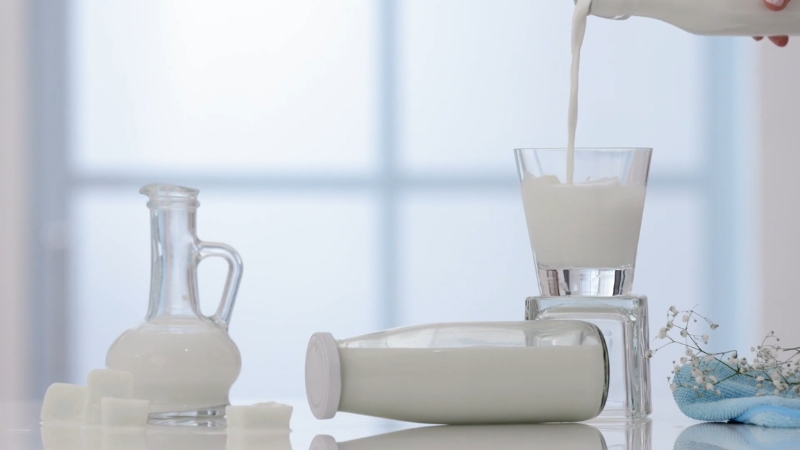
Milk contains fats and proteins that hydrate and soften skin.
Nutrients present in milk help maintain moisture levels while creating a smooth texture that supports makeup application.
Lactic acid found in milk acts as a mild exfoliating compound that removes dead skin cells and improves skin brightness.
Several components explain how milk benefits skin care routines:
Soft exfoliation improves overall complexion by clearing dull surface layers. Hydration produced by milk also contributes to smoother skin texture and may help makeup spread evenly.
Milk can be used in simple skincare preparations that assist with makeup routines:
Regular application may support brighter and smoother-looking skin while maintaining hydration.
7. Cucumber
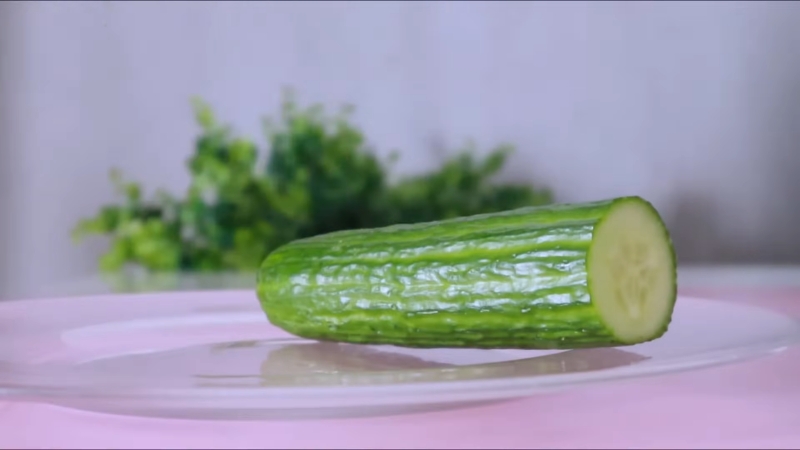
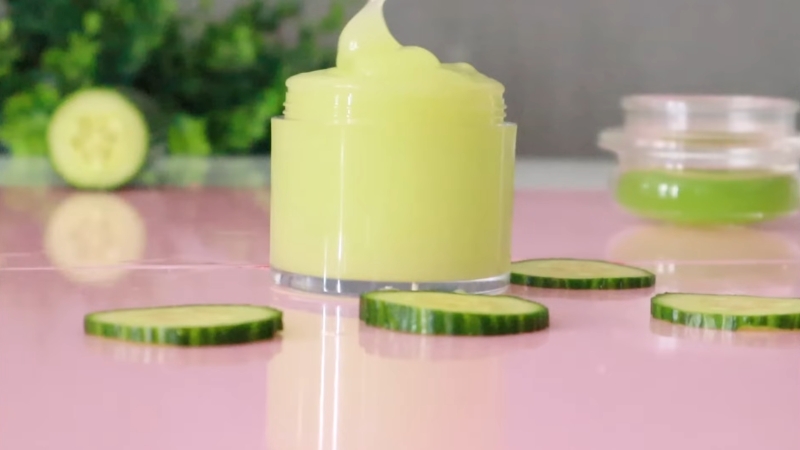
Cucumber contains natural anti-inflammatory compounds that calm irritated or acne-prone skin. High water content provides refreshing hydration that cools skin quickly.
Cooling effect makes cucumber a frequent ingredient in skincare routines designed to refresh tired skin.
Several properties explain why cucumber helps soothe and hydrate skin:
Slices placed over closed eyes reduce puffiness and refresh the eye area before concealer application. Hydrating properties also help soften delicate skin around the eyes.
Cucumber can also be used in multiple beauty preparations that assist with makeup routines.
Blended cucumber paste functions as a gentle cleanser that removes light makeup and surface impurities.
Cooling masks prepared with cucumber soothe skin while improving hydration. Skin prepared in this way often provides a smoother base for cosmetics applied afterward.
Summary
Everyday foods such as coconut oil, honey, oats, cucumber, milk, and beetroot contain nutrients and natural compounds that support skincare and makeup routines.
Kitchen ingredients provide simple options for people interested in natural beauty practices using familiar materials.
Home beauty treatments can remain affordable while reducing reliance on commercial cosmetics and excess packaging.