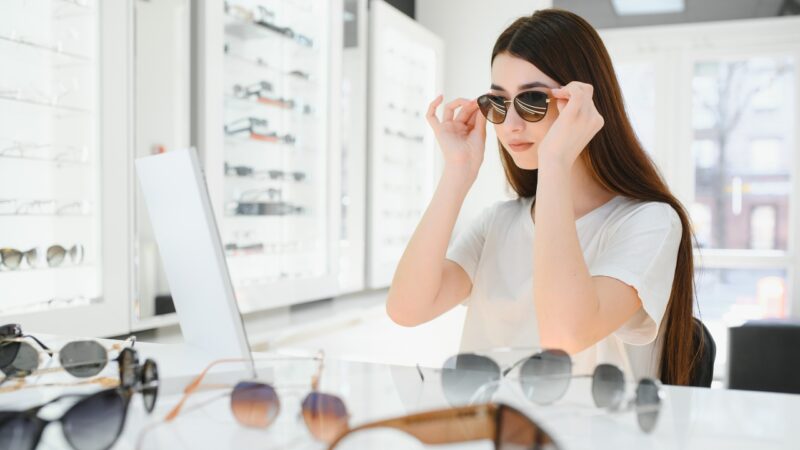

Glasses send a style signal before the conversation starts. Frame shape, color, material, lens tint, fit, and condition create a quick read: polished, creative, minimal, sporty, academic, vintage, luxury-minded, budget-aware, or quietly practical.
Nowadays, that signal matters because eyewear sits at the crossing point of health, fashion, work identity, screen life, and personal branding.
A pair of glasses can soften a face, sharpen it, make an outfit feel intentional, or make a strong outfit look unfinished. The goal is not to chase every trend. The better move is to choose frames that match how you live, how you dress, and how much attention you want near your eyes.
What Do Glasses Say About Personal Style?

Glasses usually say how much visual attention you are comfortable carrying on your face. Thick black acetate frames create a stronger graphic outline, while rimless or thin metal frames keep attention on facial features rather than the frame.
Research on first impressions explains why eyewear has more power than people often admit. A Princeton study by Janine Willis and Alexander Todorov found that people formed trait judgments from faces after only 100 milliseconds, and extra viewing time increased confidence more than it changed the original judgment.
Glasses sit directly on that judgment zone: eyes, brow line, cheekbones, and nose bridge.
Eyewear also carries a stereotype weight. A 2022 study found that glasses can affect perceived attractiveness, confidence, and intelligence, although results vary by frame type, wearer, culture, and setting.
Exact evidence linking one frame shape to one fixed personality trait is limited, so style advice should stay practical rather than pretend to be psychology.
Why Glasses Matter More In 2026
Eyewear is now both a medical product and a visible accessory. The Vision Council reported that the U.S. optical market reached $69.5 billion in 2025, covering eye exams, frames, lenses, contact lenses, sunglasses, and readers.
Ophthalmic lenses remained the highest-value prescription category, while plano sunglasses led non-prescription sales.
Budget pressure shapes style choices, too. Vision Monday reported that The Vision Council’s Consumer inSights survey for Q1 2026 found consumers moving to lower price points and buying fewer items in some categories, based on 12,031 U.S. adults. Plain meaning: many buyers want eyewear that feels personal without turning into a reckless purchase.
View this post on Instagram
That also makes accessories more relevant. A Grainmark Leather glasses case is the kind of add-on that supports daily use without competing with the frames themselves.
Frame Shape: The Fastest Style Cue
Frame shape changes the mood of a face quickly. Angular frames add structure. Round frames soften edges. Cat-eye frames lift the face visually. Pilot frames bring a retro, confident signal. Oversized frames make eyewear part of the outfit rather than a quiet medical device.
Byrdie’s 2026 eyeglasses trend report, with input from EssilorLuxottica and Eyebuydirect experts, pointed to midnight hues, smoky pastels, timeless pilots, barely visible frames, intellectual rounds, and chunky curves as key optical directions for 2026.
Trend reporting is guidance, not a rulebook, but it shows where retail shelves and social feeds are heading.
Frame Choice
Style Message
Human Consequence
Thick acetate square
Confident, graphic
Memorable, but can overpower soft features
Thin metal round
Calm, academic
Flexible, but may feel too quiet
Cat-eye
Dressed, expressive
Strong cue, less neutral for strict offices
Rimless
Professional, light
Comfortable, but less visual identity
Clear acetate
Modern, approachable
Flexible, but may show makeup residue
Color Says More Than Brand Names
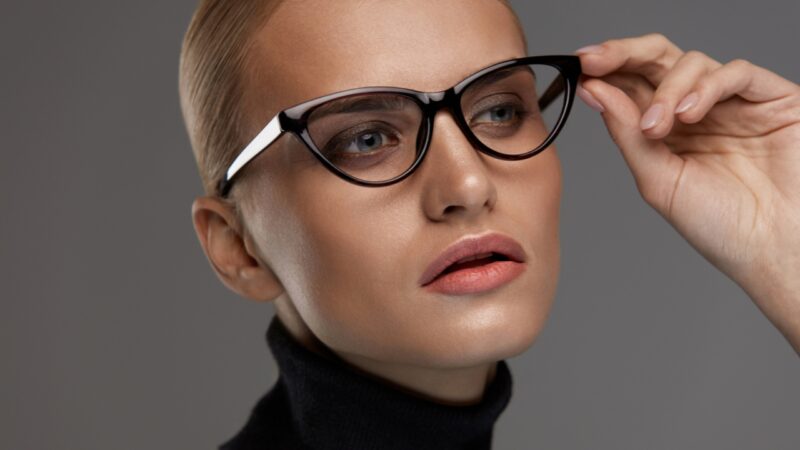
Color often communicates faster than logos. Black frames create contrast and authority. Tortoiseshell feels warmer and more literary. Transparent frames suggest a lighter, design-aware look.
Burgundy, chocolate, deep teal, and smoky pink feel current in 2026 without shouting.
Match contrast to your features and wardrobe. Dark hair, dark brows, and black clothing can carry heavier frames. Fair hair, pale brows, and soft tailoring often pair better with champagne metal, translucent brown, or smoky gray.
Brand matters, but less than harmony. A $400 frame that fights your face shape looks expensive in the wrong way.
Lenses Also Speak
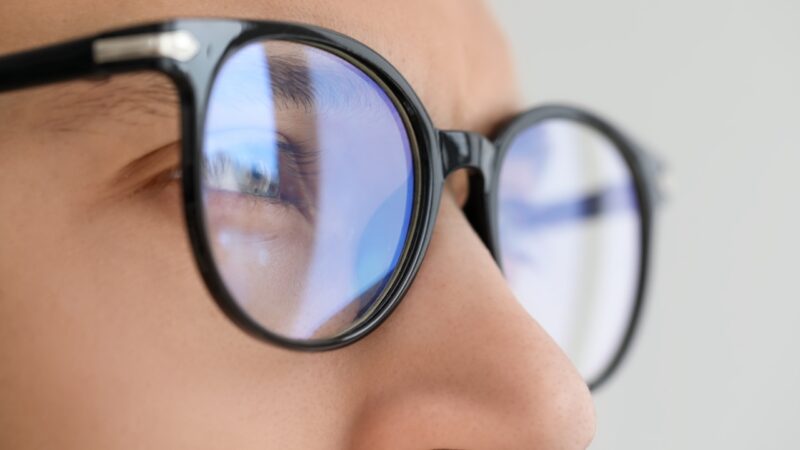
Lenses reveal how the glasses are used. Progressive lenses may signal daily reliability. Lightly tinted lenses can read creative or sport-adjacent.
Blue-light lenses often signal desk work, although medical evidence behind many marketing claims is weaker than the ads suggest.
The National Eye Institute says eyeglasses are the simplest and safest way to correct refractive errors, while contact lenses and surgery are other options, depending on medical fit and preference.
Prescription eyewear is a health choice first, with style built around it.
For screen-heavy wearers, be careful with blue-light promises. The American Academy of Ophthalmology says studies suggest blue-light-blocking glasses do not improve digital eye strain symptoms, while a 2023 systematic review found blue-light filtering spectacle lenses may not reduce computer-related eye strain.
Fit, correct prescription, glare control, blinking, lighting, and breaks usually matter more.
Sunglasses Add A Second Personality Layer
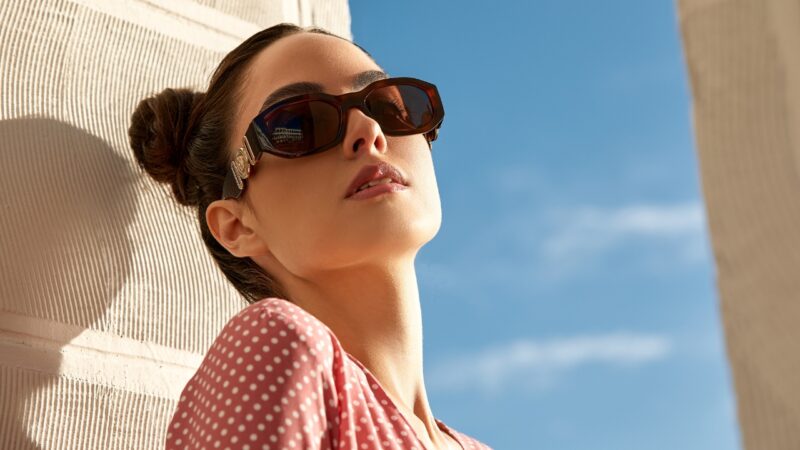
Sunglasses are louder because they hide eye contact and change face geometry. In 2026, sport-fashion eyewear has moved into daily style. The Guardian reported growing interest in non-sun sunglasses, originally linked to runners and cyclists, now worn as year-round fashion pieces.
Health still outranks style outdoors. The American Academy of Ophthalmology recommends sunglasses that provide 100% UV or UV400 protection, or block both UVA and UVB rays. Polarization can reduce glare, but UV protection needs its own label.
Tiny tinted lenses may photograph well, but weak coverage is a poor trade for driving, beach days, snow glare, or long walks. Larger lenses or wraparound shapes protect better from side light and wind.
What People Usually Miss: Fit Beats Trend
Fit is the detail that separates stylish glasses from costume glasses. A trend frame that slides down your nose, pinches behind your ears, touches your cheeks, or sits crooked will age badly fast.
Poor fit has social consequences as well as comfort costs. Constantly pushing frames up your nose makes you look distracted. Crooked temples make even luxury frames look careless. Overly wide frames can make the face appear tired because the eyes no longer sit naturally inside the lens area. Choose glasses by situation, not fantasy. For a job interview, a classic rectangular acetate, thin metal, or subtle tortoise frame usually communicates discipline without stealing attention. For a creative portfolio meeting, geometric acetate or colored frames can support the message that visual judgment matters. For teaching, consulting, or client-facing work, rimless, half-rim, or refined round frames can keep the face open. For everyday wear, ask a more useful question than “Do I like the frame?” Ask: “Can I wear it 5 days a week with my actual clothes?” A frame that only works with one outfit is a fashion purchase. A frame that works with your coat, haircut, laptop bag, jewelry, and daily shoes becomes identity. Glasses speak through proportion, contrast, material, color, lens type, and fit. In 2026, eyewear is a health product, a fashion accessory, and a personal signal at once. The best pair does not need to be expensive or trend-perfect. It needs to correct vision well, sit properly, match your real wardrobe, and send a message that you are willing to repeat every day.
How To Choose Glasses For The Impression You Want

Final Takeaway