

Microcurrent skincare uses low-level electrical currents to stimulate facial muscles and skin tissue.
Noninvasive treatment has become popular among people seeking firmer, smoother, and more sculpted-looking skin without needles, surgery, or significant downtime.
Professional facial treatments have reportedly used microcurrent since the 1980s. Compact devices now allow similar treatments at home.
Some effects may appear after one session, but stronger and more stable changes usually require regular use.
Duration can vary based on skin condition, device intensity, treatment method, and frequency. Changes are usually cosmetic and depend on consistent treatment. Using a Microcurrent Facial Device at home can support a regular routine focused on lifting, tightening, and improving the appearance of facial contours. Electrical stimulation may activate facial muscles and create a temporary lifted appearance. Repeated sessions may help cheeks, brows, lower facial areas, and neck skin look firmer. Manufacturer testing reports that 84% of participants noticed firmer-looking skin after 60 days. One product maker also claims that its device improves firmness and elasticity within one week. Another manufacturer claims that microcurrent may increase cellular ATP production by as much as 500%. ATP supports cellular activity, but that figure does not prove a guaranteed cosmetic result. Treatment along the jaw, chin, cheeks, neck, and facial perimeter may make lower facial contours look sharper. Improved muscle tone, firmer-looking skin, and reduced temporary fluid buildup can all affect definition. Lower facial areas and neck skin are often described as regions where changes become more noticeable near the 60-day point. Some routines recommend pausing along key jaw points to provide more concentrated stimulation. Facial oval areas, cheekbones, forehead, and jawline are commonly treated during sculpting routines. Exact movement patterns should follow device instructions. Microcurrent cannot alter jawbone structure. Sharper contours result through visible tone, reduced puffiness, and tighter-looking skin. Slow upward movement across cheek areas may create a lifted and more contoured look. More than 90% of users in one manufacturer test noticed an immediate improvement in cheek contour. Regular treatment may make cheek elevation easier to see after approximately 30 days. Pausing briefly at each cheekbone can concentrate stimulation in that area. Higher-looking cheeks can make a face appear slimmer or better rested. Apparent slimming relates to contour visibility, muscle tone, and reduced puffiness rather than facial fat loss. Treatment around the brows and forehead may create a slight elevation that makes the eyes appear more awake. Early changes can appear during the first week, especially around a heavy-looking forehead or hooded-eye area. Approved eye-area treatments may also reduce temporary puffiness and soften visible crow’s-feet. Only devices and attachments designed for delicate eye areas should be used there. Temporary plumping, hydration, improved facial support, and possible collagen activity may make fine lines look softer. Common treatment zones include forehead lines, crow ’s-feet, lip lines, eye-area lines, and fine lines on neck skin. Manufacturer testing reports that 93% of users noticed less pronounced forehead lines after 60 days. A 30-day timeline associates regular treatment with smoother-looking forehead and cheek areas. By 60 days, lines near the eyes, mouth, and forehead may appear softer. One device maker also claims visible wrinkle reduction within one week. Another suggests that stimulation around circular lip muscles may sharpen lip contours and improve the appearance of downward-looking lips. Microcurrent does not produce the same type of result as wrinkle-relaxing injections, fillers, or laser procedures. Better elasticity can make skin look more resilient and less lax. Visible changes may include firmer cheeks, smoother neck skin, and better-supported contours. Its maker describes 320 µA as effective stimulation without aggressive intensity. Such language represents a product claim. Possible support for collagen and elastin production may contribute to firmer-looking skin over time. Results can differ based on age, skin condition, device design, and frequency. Increased local circulation may temporarily make treated skin look brighter. Greater blood flow can bring more oxygen and nutrient-containing blood into the area. First-session results are often described as refreshed, glowing, or well rested. More consistent changes in visible tone, clarity, and texture may appear after approximately 30 days of regular treatment. Immediate brightness does not prove long-term correction of pigmentation, sun damage, or medical skin conditions. Temporary fluid buildup can make the eye areas, cheeks, chin, and jawline look swollen. Microcurrent treatment may support circulation and lymphatic movement, which can reduce visible puffiness. Depuffing does not remove fat or permanently change facial shape. Effects may decrease as fluid levels change. Regular treatment may improve visible smoothness, tone, and texture. More consistent changes are often reported around the 30-day point. Pores do not physically open or close. They may appear smaller when the surrounding skin looks smoother, firmer, and better hydrated. Temporary plumping through conductive formulas can also reduce pore visibility. Possible collagen support and a more even-looking texture may add to that effect. Pore reduction should be treated as a secondary cosmetic benefit rather than a primary use for microcurrent. Visible effects often develop in stages. Early changes are usually temporary, while repeated treatment may produce more stable results. A first session may create subtle lifting, brightness, and depuffing. More than 90% of users in one manufacturer test noticed immediate improvements in lifted appearance and cheek contour. One manufacturer estimates that session results may last three days to one week. Another states that first-day effects can fade by the following morning. Such differences show that early results vary greatly among users. Microcurrent may improve visible firmness, contour, radiance, fine lines, puffiness, and jaw definition. Results depend on regular use, correct technique, adequate conductive gel, device strength, and individual skin condition. Early effects may fade quickly, while cumulative changes often become clearer at 30 and 60 days. Maintenance sessions are usually needed because visible effects may decrease after treatment stops. Commercial findings should be presented as manufacturer-reported results rather than guaranteed outcomes.
Main Benefits of Microcurrent for Skin
Microcurrent treatment is mainly used to improve visible firmness, contour, texture, and radiance.Firmer, More Lifted-Looking Skin
More Defined Jawline and Facial Contour
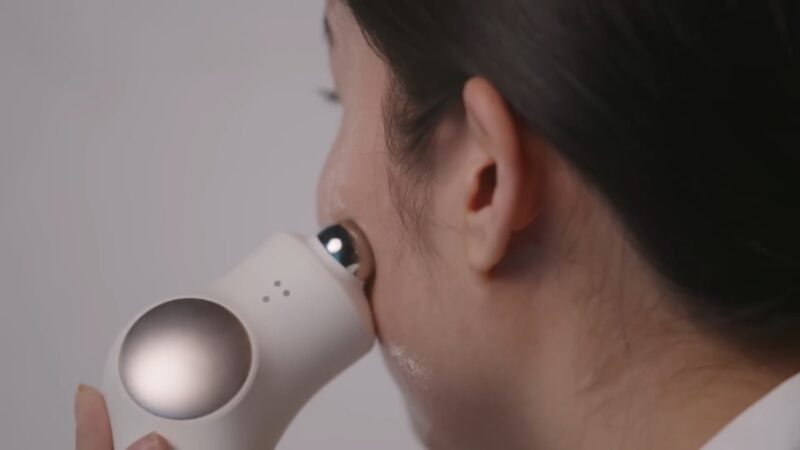
More Sculpted-Looking Cheekbones
Subtle Brow Lift and More Open-Looking Eyes
Softer-Looking Fine Lines and Wrinkles
Improved Elasticity and Dermal Density
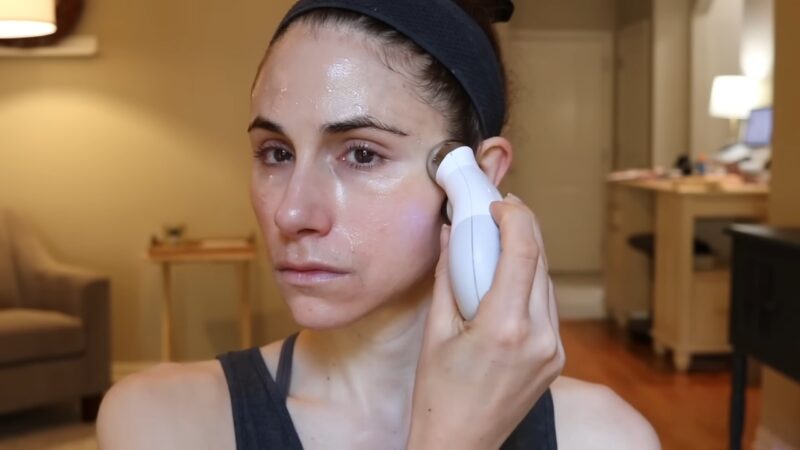
Brighter, Healthier-Looking Skin
Reduced Puffiness and More Refined-Looking Features
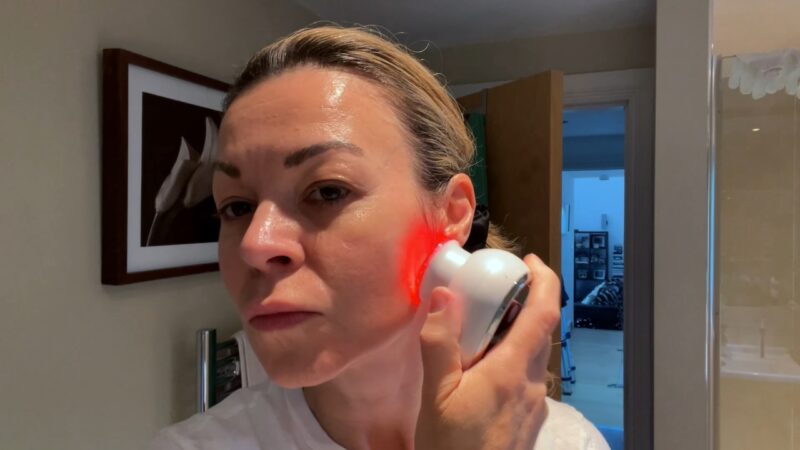
Smoother Texture and Less Visible Pores
Immediate Benefits Versus Long-Term Results

Closing Thoughts