Saving money is usually part of the attraction behind DIY beauty. A kitchen ingredient, an inexpensive gadget, or a viral trick can look like an easy substitute for an appointment with a dermatologist or dentist.
Saving money doesn’t have to mean experimenting with risky procedures, and there are plenty of budget-friendly beauty tips that don’t involve cutting, burning, or puncturing your skin.
Problems often appear after the camera stops recording.
Dermatologists have treated burns, infections, scars, pigmentation changes, and permanent skin damage linked to home beauty treatments.
Social media makes that risk easy to miss because a 30-second clip may show an immediate cosmetic result without showing what the skin looks like several days later.
Convenience stops being convenient once you need medical treatment to repair the damage.
DIY Mole and Skin-Tag Removal Can Hide a Bigger Problem
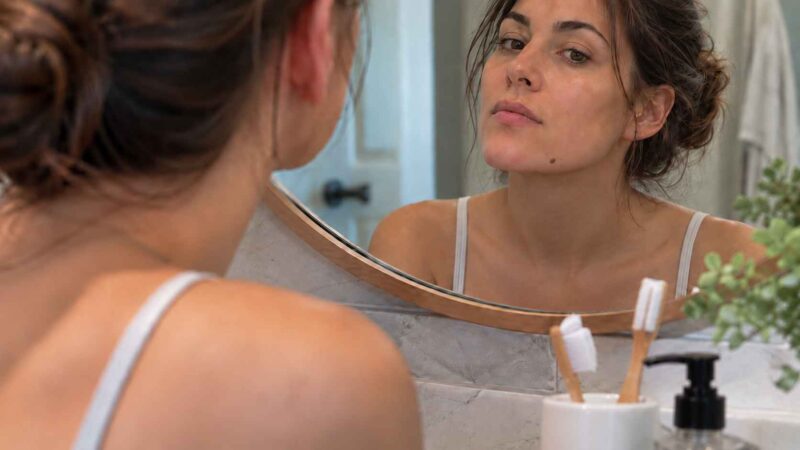
Removing a skin tag with scissors might sound simple. Treating a mole with apple cider vinegar or garlic can look even easier. Home freezing kits and chemical products have also become common options.
None of those approaches gives you control over bleeding, wound depth, infection, or scarring.
Cutting skin at home can introduce bacteria and leave a visible scar. Strong chemicals can destroy healthy tissue around the spot you intended to remove. Poorly controlled freezing can injure surrounding skin and create discoloration or deformity.
Moles create another concern entirely.
A dermatologist can examine a suspicious lesion and, when appropriate, send tissue for biopsy. Destroying or cutting off a mole yourself may eliminate that opportunity. A potentially cancerous lesion could then go undiagnosed until another sign appears.
Cosmetic convenience is not worth losing diagnostic information.
Similar logic applies when comparing internet whitening tricks with professional teeth whitening. Cosmetic procedures often look straightforward only because trained professionals make controlled techniques look straightforward.
DIY Teeth Whitening Can Burn More Than It Whitens
Social media has taken teeth whitening far outside normal whitening strips and toothpaste.
TikTok videos have promoted household bleach and strong peroxide solutions as quick whitening methods. At one point, videos associated with the #teethwhitening hashtag had around 284 million views.
Popularity does not make those chemicals safe for unsupervised use.
Peroxide concentration matters. Application time matters. Gum protection matters. Contact with soft tissue matters.
@rodeodental That’s not how any of this works 😭 #teethwhiteningfail #diygonewrong #rodeohelp #whitening ♬ original sound – Rodeo Dental & Ortho
- Chemical burns inside the mouth
- Painful tooth sensitivity
- Inflamed gums
- Gum tissue damage
- Irritation around existing dental work
Household bleach creates an even more obvious concern because it was never designed as a cosmetic dental product.
Dentists use whitening agents at controlled concentrations and take steps to protect surrounding tissue. Pouring or brushing concentrated chemicals onto your own teeth removes much of that control.
Whiter teeth are not much of a win if your gums are injured in the process.
At-Home Fillers and Lip-Plumping Hacks Can Cause Permanent Damage
Injecting something into your face is not the same as applying a moisturizer.
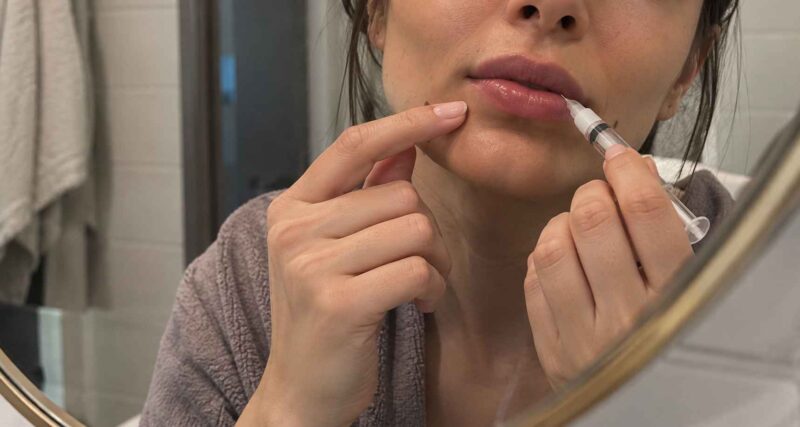
DIY filler kits and hyaluronic-acid pens are marketed as easier alternatives to clinical treatments, but complications can include infection, lumps, allergic reactions, uneven results, tissue injury, and permanent deformity.
One documented patient injected topical hyaluronic-acid serum into her cheeks after watching videos online. Infection and inflammation followed, eventually leaving permanent scarring.
Topical serums are made to sit on the skin. Injection changes where the substance goes, how the immune system encounters it, and how difficult a complication may be to treat.
Lip hacks are not much safer simply because needles are absent.
One viral technique involved applying eyelash glue in a way intended to make the lips look fuller. Cyanoacrylate in some adhesives can trigger contact allergies, and repeated or severe reactions may lead to scarring or disfigurement.
Facial anatomy is crowded with blood vessels, nerves, and delicate tissue. Treating it like a craft project creates risks that no before-and-after clip can show properly.
If you’re considering fillers or other cosmetic treatments, preparing for your first aesthetic procedure should involve understanding the risks and choosing a qualified professional rather than following a viral tutorial.
Harsh “Natural” Skin Remedies Are Still Chemicals
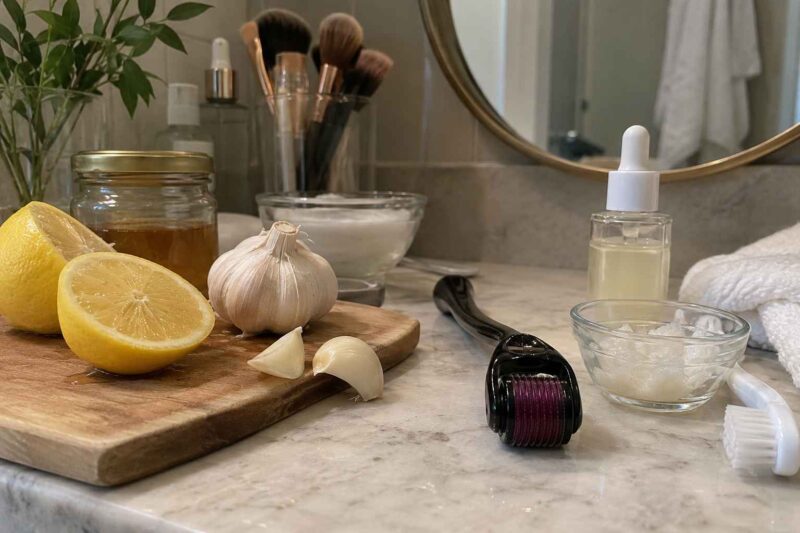
Lemon juice comes out of a fruit. Garlic grows in soil. Neither fact makes either ingredient automatically safe for direct use on irritated facial skin.
Acidity, concentration, exposure time, sunlight, and skin sensitivity all matter.
One patient developed a blistering rash and long-term pigmentation after using lemon juice as a homemade peel. Weeks of treatment were needed afterward.
Another patient placed a cut garlic clove directly on a pimple and developed a second-degree facial burn.
Garlic contains compounds capable of irritating skin, especially during prolonged contact. Lemon juice is highly acidic and can damage the skin barrier, with sun exposure potentially making pigmentation problems worse.
Natural ingredients still interact with tissue chemically.
Your skin does not care that an ingredient came out of a refrigerator instead of a laboratory.
Chemical Peels, Microneedling, and Dermaplaning Need More Control Than TikTok Suggests
Several cosmetic procedures look deceptively mechanical. Apply acid. Roll needles over the face. Scrape away surface cells.
Actual safety depends on far more than performing the basic motion.
Chemical Peels
Glycolic acid, salicylic acid, and TCA can all be useful in appropriate settings. Problems begin when concentration, contact time, skin type, or frequency is poorly judged.
- Chemical burns
- Hyperpigmentation
- Persistent redness
- Skin-barrier damage
- Increased sensitivity
More product does not mean a stronger cosmetic result. Sometimes it simply means a stronger injury.
Microneedling
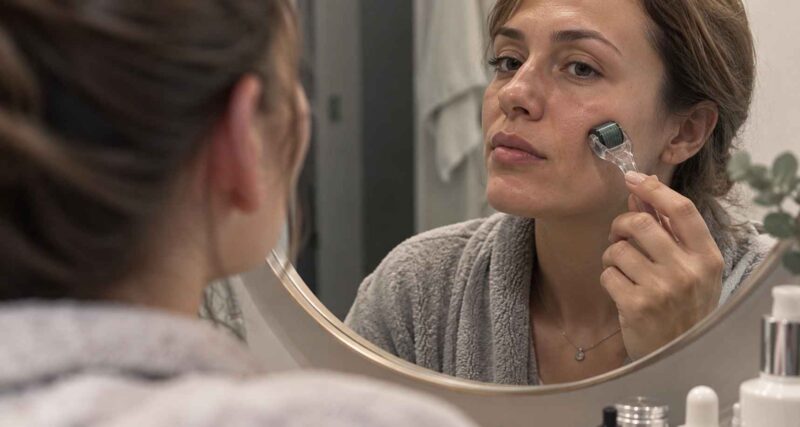
Microneedling intentionally creates tiny injuries in the skin. Controlled depth and hygienic technique are therefore central to doing it safely.
Home devices can introduce bacteria if equipment or skin preparation is not properly managed. Uneven pressure may also create inconsistent injuries across the face.
Acne, active irritation, or poor aftercare can make matters worse.
Dermaplaning
Dermaplaning uses a blade to remove fine facial hair and surface skin cells. Improper technique can create microabrasions, ingrown hairs, irritation, infection, or worsening acne.
People dealing with acne, rosacea, or eczema may be especially vulnerable to irritation.
Some cosmetic complications seen by dermatologists have required **months of management** rather than a few days of recovery.
One careless session can easily outlast whatever temporary result made the hack attractive.
View this post on Instagram
FAQs
Viral Does Not Mean Safe
Beauty hacks spread because they look easy, cheap, surprising, or dramatic on camera. Safety rarely gets the same attention.
Biggest warning signs are fairly consistent. Be cautious when a hack asks you to cut skin, inject a substance, use concentrated chemicals, intentionally burn tissue, puncture skin repeatedly, or expose unprotected areas to UV radiation.
Saving money on a beauty treatment makes sense only when the cheaper option is actually safe.
A five-minute hack can turn into weeks or months of treatment. In some cases, the cosmetic damage can be permanent.