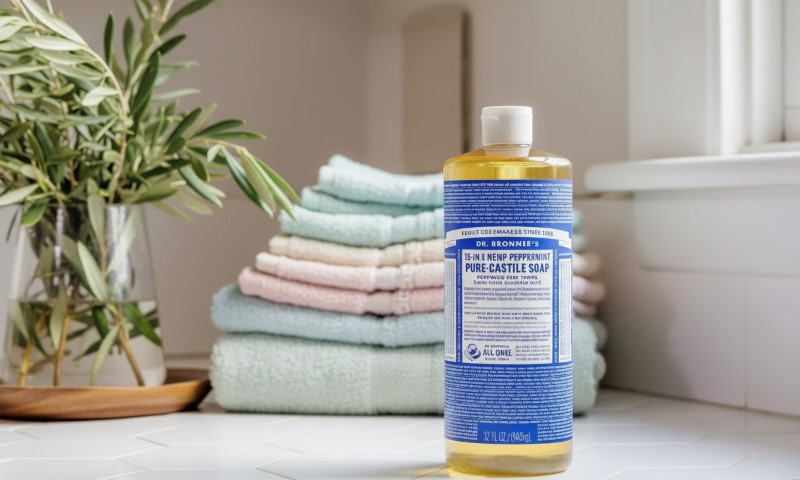
Few personal care products inspire the kind of devotion and confusion that Dr. Bronner’s Pure-Castile Magic Soap manages to pull off. The bottle looks like a manifesto, the label promises 18-in-1 uses, and advice online ranges from “life-changing” to “why does my skin feel like sandpaper.” Both reactions make sense.
A clear-eyed review starts by calling the product what it actually is. Dr Bronner’s Castile Soap is a highly concentrated, old-school liquid soap made from saponified plant oils.
Cleaning power comes from true soap chemistry rather than synthetic detergents or foaming agents. Essential oils add scent in most versions, while the Baby Mild option stays unscented.
Strength and simplicity explain both the loyalty and the backlash. Used thoughtfully and diluted properly, the soap can handle a long list of jobs across body care and home cleaning. Used like a modern shower gel or shampoo, irritation and residue become likely outcomes.
Today, we will break down ingredients, cruelty-free credentials, practical uses with dilution guidance, and the pros and cons that actually matter in daily life.
Key Highlights
- Highly concentrated true soap, not a detergent; dilution is essential
- Strong ethical and cruelty-free certifications back up brand claims
- Works best for light body care and cleaning, struggles with hair and hard water
- Great for minimalists, less suitable for sensitive skin or daily undiluted use
What Dr Bronner’s Castile Soap Really Is
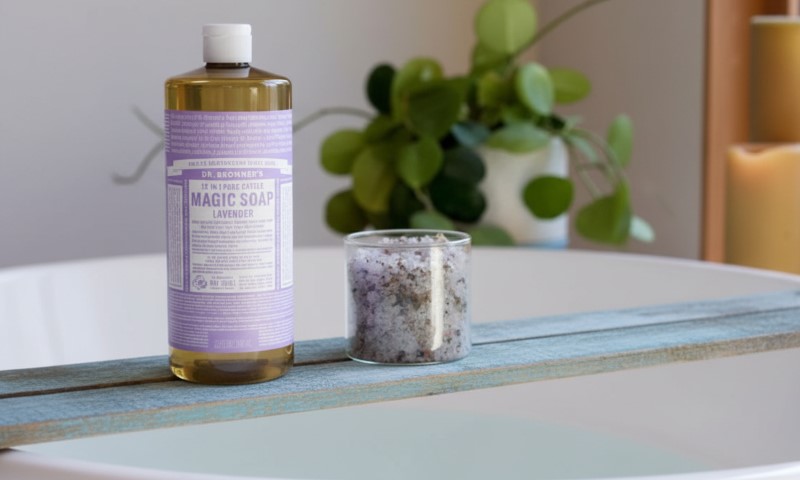
According to their official website, Dr Bronner’s Pure-Castile Liquid Soap is produced by saponifying plant oils. During saponification, oils react with an alkali, creating soap molecules and naturally occurring glycerin. The result qualifies as a true soap rather than a detergent-based cleanser.
True soap behaves differently from many products lining drugstore shelves.
- Soap runs alkaline by nature.
- Soap can react with minerals in hard water, forming residue.
- Soap removes grime efficiently but can feel drying when overused.
Modern body washes and shampoos rely on synthetic surfactants designed to work across water conditions and skin types. Dr Bronner’s sticks with traditional chemistry. That choice brings benefits and trade-offs, especially for sensitive skin and hair.
The brand also places heavy emphasis on third-party certifications to support ethical sourcing and animal welfare claims. Marketing language leans idealistic, yet several credentials behind the scenes carry real weight.
Cruelty-Free And Ethical Certifications That Matter
“Cruelty-free” often turns into a vague promise with little oversight. Dr Bronner’s takes a more formal route, stacking multiple independent certifications to support ethical and animal welfare claims.
Certifications Worth Noting
The certifications behind Dr Bronner’s matter because they move the brand’s cruelty-free and ethical claims out of marketing language and into standards verified by independent third parties.
Leaping Bunny
Leaping Bunny represents one of the strictest cruelty-free standards in personal care. Certification requires verification across the supply chain, not only finished products.
Vegan certification
Many products carry vegan certification, indicating no animal-derived ingredients. Vegan status supports the cruelty-free position while also appealing to plant-based households.
USDA Organic and “Made with Organic Oils”
Some Dr Bronner’s products meet the 95%+ threshold for the USDA Organic seal. Castile soaps fall into the “Made with Organic Oils” category, exceeding 70% organic content.
Fair for Life
Fair for Life certification covers working conditions, fair pay, and responsible sourcing practices. Dr Bronner’s highlights Fair for Life across its supply chain, particularly for coconut and palm kernel oils.
B Corp
B Corp certification evaluates social and environmental performance, accountability, and transparency. While broad, B Corp status signals a higher level of corporate responsibility than self-declared ethics claims.
Regenerative Organic Certified (ROC)
Dr Bronner’s increasingly promotes Regenerative Organic Certified oils. ROC standards address soil health, animal welfare, and social fairness, pushing beyond baseline organic requirements.
EWG Verified
Many liquid soaps meet Environmental Working Group safety standards and carry EWG Verified status. One noted exception involves the Eucalyptus scent.
Together, certifications form a verifiable framework rather than a single feel-good label.
Ingredient Breakdown And Why Skin Reactions Vary
View this post on Instagram
Ingredient lists stay relatively short, yet each oil serves a specific function affecting lather, cleansing strength, and after-feel. Recipes vary slightly by scent, though the core structure remains consistent.
Core Oils and Functional Roles
| Ingredient | Functional role | Why users notice a difference |
| Coconut oil | Strong cleansing and foam | Creates powerful lather, increases dryness risk when overused |
| Olive oil | Conditioning | Softens the harshness common to strong soaps |
| Palm kernel oil | Lather stability | Supports foam structure, sourcing ethics remain important |
| Hemp seed oil | Skin feel | Adds mild conditioning |
| Jojoba | Conditioning | Aims to reduce tightness after rinsing |
Essential oils provide fragrance in scented versions. Peppermint, tea tree, eucalyptus, lavender, and citrus options dominate the lineup. Baby Mild skips essential oils entirely.
Why Scent Choice Matters
Essential oils bring more than aroma. Peppermint and eucalyptus create a cooling sensation that many people love, yet such oils raise irritation risk for sensitive skin, infants, and pets. Tea tree offers a sharp, medicinal scent but may trigger reactions in allergy-prone users.
Baby Mild usually serves as the safest entry point. According to Verywell Health, fragrance-free formulas reduce risk for eczema-prone skin, reactive scalps, and fragrance-triggered headaches.
Concentration And The Importance Of Dilution
Dr Bronner’s Castile Soap comes highly concentrated. The brand repeatedly advises dilution for most uses, publishing detailed ratio charts for body care and cleaning.
Negative reviews often follow a familiar pattern. Someone treats the soap like a standard body wash, uses a large amount, and ends up with tight or irritated skin. Traditional soap chemistry makes that outcome predictable.
Dermatologists frequently warn that alkaline cleansers disrupt the skin barrier when overused. Dilution turns a harsh experience into a manageable one.
Real-World Uses That Actually Work
Marketing claims list 18-in-1 uses. Reality narrows that list to a set of scenarios where the soap performs reliably. Dilution guidance plays a central role in success.
Body Wash
Castile soap works best when diluted or used sparingly on a washcloth. Dr Bronner’s includes a wipe-off body wash spray recipe using 1 ½ tsp soap in 1 cup water, designed for light cleansing.
Practical approach
People with dry skin often fare better using the soap occasionally rather than daily. Target underarms, feet, and sweaty areas. Rinse thoroughly.
Hand Soap
Straight-from-the-bottle use can feel harsh with frequent washing. Diluted pump bottles or foaming dispensers provide better control and reduce dryness.
Face Cleansing
Oily skin that tolerates soap may handle diluted castile soap. Dry, sensitive, or reactive skin often struggles. Medical guidance frequently labels castile soap as hypoallergenic, yet added fragrances still pose risks.
Shampoo
Hair outcomes vary widely. Soft water, short hair, and minimal product buildup improve odds. Hard water, dyed hair, curls, and fragile strands often respond poorly.
Dishwashing
Light dish loads clean up easily, especially with hot water. Heavy grease may require soaking or additional effort.
All-Purpose Household Cleaner
Diluted sprays shine here. Countertops, sinks, and light grime respond well without harsh fumes. Official dilution guidance provides a safe starting point.
Laundry
Laundry use remains controversial. Dr Bronner’s offers specific ratios:
- 1/3–1/2 cup for a large load in a regular washer
- Half that amount for HE machines
- Add 1 cup vinegar during the rinse cycle
A separate guidance page also mentions ¼ cup for HE washers and higher amounts for non-HE machines.
Reality check: Soap-based laundry can leave residue in hard water and may struggle with heavy stains. Detergent-style cleaners often perform more consistently for routine laundry.
Pet Bathing
Unscented castile soap sees occasional use for dogs. Essential oils raise irritation risk, making Baby Mild the safest option. Veterinary guidance commonly advises caution around essential oils for pets.
Starter Dilution Ratios
The table below offers simplified ratios aligned with official guidance.
| Use | Starter ratio | Notes |
| Body wash spray | 1 ½ tsp per 1 cup water | Designed for light cleansing |
| Laundry regular washer | 1/3–1/2 cup per large load | Add 1 cup vinegar to rinse |
| Laundry HE washer | Half of regular amount | Adjust based on water hardness |
Pros That Explain The Loyalty
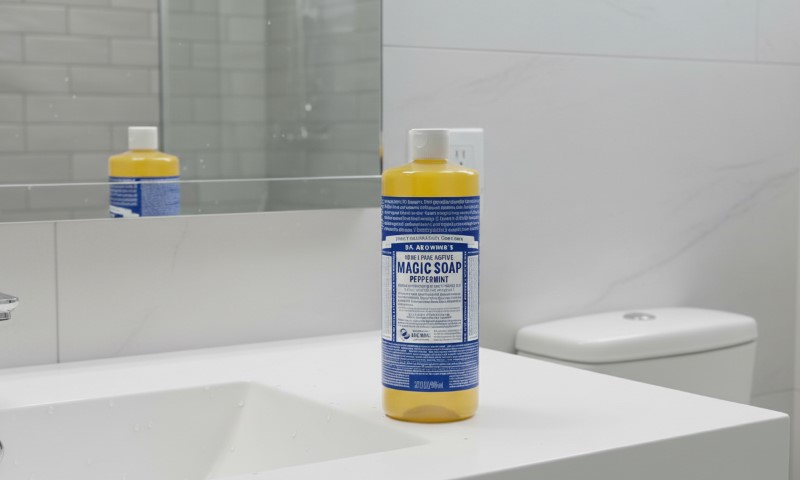
Longtime fans tend to stick with Dr Bronner’s because, when used correctly, the soap delivers practical versatility, transparent sourcing, and a level of simplicity that many modern personal care products no longer offer.
Versatility For Minimalists
One bottle covers hands, body, travel needs, light cleaning, and occasional laundry. Concentration allows a small bottle to last months when diluted properly.
Transparency And Certification Depth
USDA organic standards, cruelty-free certification, fair trade programs, and B Corp status offer verifiable backing rather than vague promises.
Traditional Soap Chemistry
Shoppers seeking true soap without synthetic detergents often gravitate toward Dr Bronner’s. Ingredient lists stay short and familiar.
Biodegradability Claims
The brand states that Pure-Castile Liquid Soaps are readily biodegradable under OECD Guideline 310 testing conditions, appealing to environmentally minded users.
Popular Scents
Peppermint delivers an energizing shower experience. Tea tree offers a crisp, clean aroma. Baby Mild serves fragrance-sensitive households.
Cons That Cause Frustration
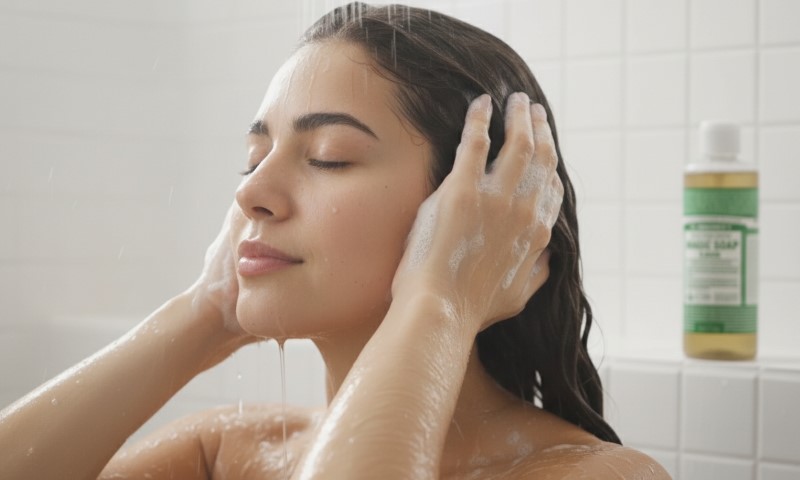
Even with its loyal following and ethical credentials, Dr Bronner’s Castile Soap has a few drawbacks that tend to surface quickly once it moves from theory into daily use.
Dryness And Irritation Risk
Alkaline soap can disrupt the skin barrier. Daily full-body use, especially undiluted, increases dryness and irritation risk. Users with eczema, rosacea, or active skincare treatments often struggle.
Hard Water Residue
Soap reacts with minerals in hard water, leaving buildup on skin, hair, and bathroom surfaces. Households already fighting soap scum may see more maintenance.
Hair Challenges
Castile soap rarely works as a universal shampoo. Waxiness, heaviness, or squeaky texture often follow, particularly in hard water.
Essential Oil Sensitivity
Tea tree, eucalyptus, and peppermint can overwhelm sensitive users, children, and pets. Unscented options reduce risk.
Laundry Limitations
Even with official guidance, soap-based laundry demands more attention and patience than modern detergents.
Who Benefits Most And Who Might Skip It
Some households will find Dr Bronner’s Castile Soap fits neatly into daily routines, while others may be better off passing, depending on skin sensitivity, water quality, and how they plan to use it.
- Minimalist households seeking multi-purpose products
- Travelers wanting one concentrated cleaner
- Buyers prioritizing cruelty-free and ethical sourcing
- Fragrance-free seekers choosing Baby Mild
- Very dry or reactive skin needing daily cleansing
- Hard water households with limited tolerance for residue
- Dyed, fragile, or curly hair types
- Homes with pets or children sensitive to essential oils
Buying And Scent Selection Tips
Choosing the right Dr Bronner’s bottle comes down to starting with a safe baseline, matching scent strength to skin tolerance, and deciding whether the soap’s main job will be personal care or household cleaning.
Best First Purchase
Baby Mild remains the safest starting point. Performance reveals whether the soap fits personal routines without fragrance variables.
For the Classic Experience
Peppermint delivers the iconic Dr Bronner’s feel. Use minimal amounts and avoid sensitive areas.
For Household Cleaning Focus
Choose a preferred scent and dedicate the bottle to cleaning. Mixing personal care and cleaning uses may complicate routines for sensitive skin.
Bottom Line Verdict
Dr Bronner’s Castile Soap stands as a high-quality, concentrated true soap backed by unusually strong third-party certifications for cruelty-free and ethical sourcing. Strength, simplicity, and versatility explain its long-standing popularity.
Limitations remain predictable. Dryness, residue in hard water, and the need for dilution shape user experience. Viewed as a tool rather than a miracle product, Dr Bronner’s earns a place in many homes. Used thoughtfully, it delivers exactly what traditional soap promises, no more and no less.