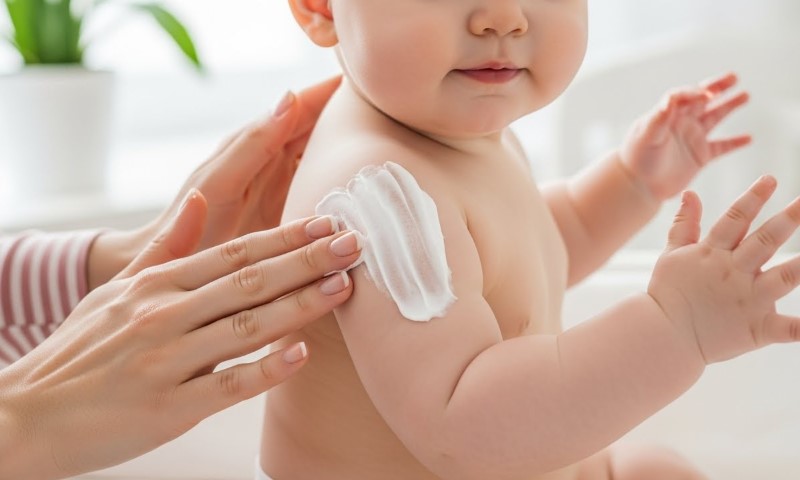
A gentle baby routine often looks plain. Plain usually means safe. Parents who shop for “natural” products often expect plant extracts, oils, and essential oils to deliver extra care. Real-world dermatology works on different rules.
Safety depends on ingredient choice, how concentrated each ingredient is, and how often the product touches skin that can stay dry, inflamed, or hormonally reactive for long stretches.
Marketing teams lean toward botanical blends and scented formulas. Pediatric dermatology leans toward fragrance-free, barrier-focused care with short ingredient lists. Parents who focus on labels rather than bottle promises tend to see calmer skin and fewer rashes.
Why “Natural” Does Not Automatically Mean Safer
View this post on Instagram
According to the FDA, in the United States, cosmetic labeling does not include a legal definition for the word “natural.” Products that carry that word still follow standard cosmetic rules.
Many cosmetics also reach shelves without prior approval, aside from color additives. Label reading remains the strongest consumer protection step.
Families researching infant safety topics often also review current legal actions, such as the Similac Lawsuit related to necrotizing enterocolitis risk in premature babies.
The practical rule stays simple. Ingredient lists and daily use patterns matter more than front-of-bottle claims.
Why Baby Skin Needs Extra Care
Infant skin reacts quickly. Public health data from 2021 reported that 10.8% of United States children had eczema.
Global pediatric dermatology summaries place childhood atopic dermatitis prevalence up to 20% in some populations. Daily routines magnify exposure because products touch large body areas during bathing, moisturizing, and diaper changes.
Frequent exposure raises the value of conservative routines built around proven, low-irritation ingredients.
Core Safety Rules For Baby Skincare
Daily baby care works best when simple rules guide every product choice and every routine step.
Keep Routines Short And Fragrance-Free
Dermatologists recommend mild cleansers without fragrance, limited bathing schedules that often sit around 2 to 3 times per week for many babies, and zinc oxide diaper cream when needed.
Pediatric organizations also guide families toward fragrance-free products and warn that “fragrance” or “parfum” can hide chemicals like phthalates.
Skip Talc-Based Baby Powder
Medical guidance warns that talc-based powders can carry asbestos contamination and that inhalation can injure infant lungs. Avoid powders near the face and in diaper areas.
Sun Protection Priorities Under 6 Months
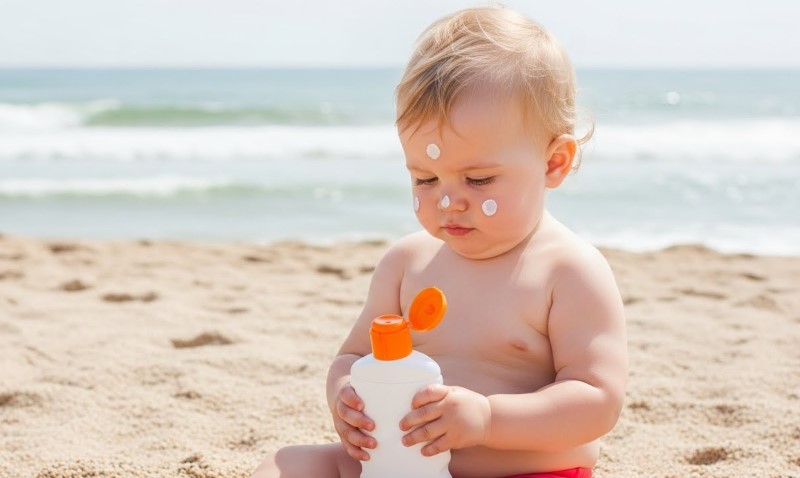
According to the CDC guidance, infants younger than 6 months rely on shade and protective clothing as first-line sun protection. Sunscreen does not serve as a routine product for that age group.
If limited sunscreen use becomes necessary, mineral filters such as zinc oxide and titanium dioxide show lower irritation risk for sensitive skin.
Natural-Leaning Ingredients With Long Safety Records

Ingredient performance always depends on the full formula, though several low-key ingredients hold long pediatric use histories.
Zinc Oxide
Zinc oxide forms a protective barrier that limits moisture and irritant contact with the skin.
Pediatric guidance highlights zinc oxide diaper creams as practical, fragrance-free options. Zinc oxide also serves as a mineral sunscreen filter that often performs well on sensitive skin.
- Diaper area protection
- Short-term rash care
- Mineral sun protection for older infants
Colloidal Oatmeal
Colloidal oatmeal supports itchy and eczema-prone skin. Regulatory monographs include colloidal oatmeal as an active skin protectant ingredient that temporarily relieves irritation and itching related to rashes and eczema.
Look for “colloidal oatmeal” rather than general “oat extract” on labels. Pairing oatmeal products with a bland moisturizer after bathing supports hydration.
Glycerin
Glycerin acts as a humectant that attracts water into the outer skin layer. Federal registries list glycerin among skin protectant actives in specific formats.
Even outside regulatory categories, glycerin remains a core ingredient in gentle baby moisturizers because it hydrates without scent or sensitizing botanicals.
Simple Plant Oils And Butters
Pediatric guidance recognizes that plant-based oils like cocoa butter and coconut oil can serve as alternatives for families who prefer short ingredient lists. Oil choice still matters.
- Sunflower seed oil often performs well as a barrier-supportive emollient
- Shea butter can soften dry skin, especially in balms
- Coconut oil may suit some families, though it can feel heavy and may worsen acne-like bumps in certain babies
Lotions and oils may include nut-based oils, which matters for children with nut or seed allergies.
Petrolatum And Mineral Oil
Petrolatum and mineral oil lack “natural” branding appeal, though they often deliver the safest performance for severe dryness, chafing, and eczema flares.
Plain petrolatum-based ointments remain inert and fragrance-free in many formulas and frequently outperform complex botanical blends.
Ceramides And Skin-Identical Lipids
Ceramides form part of the natural skin barrier. Products that include ceramides aim to support barrier repair, which plays a central role in eczema-prone infant care. Heavy moisturizers applied immediately after bathing support barrier recovery.
Ingredients That Often Trigger Problems In “Natural” Baby Products
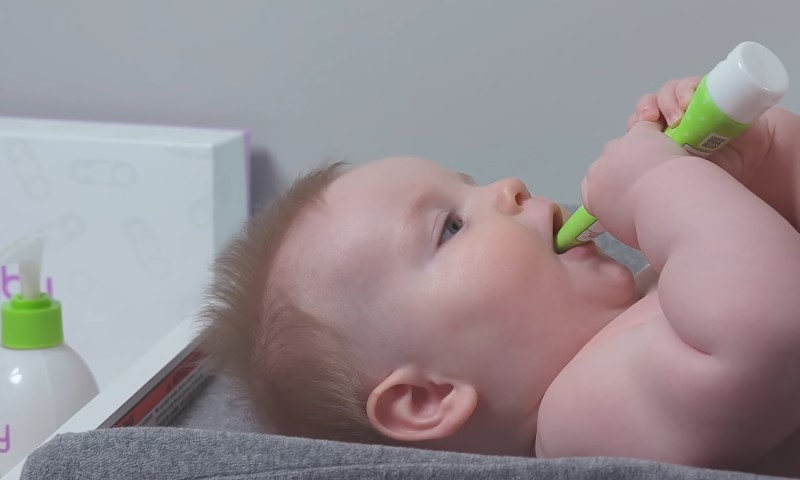
Bright labels often hide irritation risks. Certain ingredients that appear in “natural” baby products raise rash, itch, and allergy rates when used on sensitive infant skin.
Fragrance And Essential Oils
“Natural fragrance” still counts as fragrance. Fragrance remains a leading trigger for irritation and allergic reactions in sensitive skin.
Undiluted essential oils can injure infant skin. Pediatric dermatology guidance supports avoiding essential oils entirely in baby skincare routines.
Methylisothiazolinone And High-Sensitization Preservatives
Preservatives such as methylisothiazolinone show strong links to allergic contact dermatitis, especially in leave-on products.
A natural label does not cancel preservative risk. Ingredient lists stay more reliable than bottle marketing.
Baby Powders And Inhalable Products
Even talc-free powders can irritate airways when inhaled. Medical guidance advises skipping powders around infants.
Practical Ingredient Reference Table
| Ingredient | Why It’s Used | Baby Use Notes | Pregnancy And Breastfeeding Notes |
| Zinc oxide | Barrier, diaper rash, mineral sunscreen | Common diaper-area choice with strong tolerance | Preferred mineral SPF style for sensitive routines |
| Colloidal oatmeal | Itch relief, eczema support | FDA-recognized skin protectant active | Compatible with patch testing for reactive skin |
| Glycerin | Hydration | Performs well in fragrance-free lotions | Widely used humectant |
| Petrolatum | Occlusive barrier | Very helpful for eczema-prone and chapped skin | Generally compatible |
| Shea butter / cocoa butter | Emollient | Keep formulas simple, avoid fragranced blends | Generally compatible |
| Coconut oil | Emollient | May feel heavy for some babies | Avoid if irritation develops |
| Titanium dioxide | Mineral UV filter | Lower irritation risk | Common mineral SPF option |
| “Fragrance/parfum” | Scent | Higher irritation risk, hidden components | Avoid in leave-on products |
Mothers (Pregnancy And Postpartum Skin Changes)
Hormonal shifts influence acne, melasma, sensitivity, dryness, and flares of eczema or rosacea.
Stable routines built on ingredients with strong obstetric and dermatology comfort profiles offer the safest direction.
Pregnancy And Breastfeeding Friendly Ingredients
Hormonal shifts can leave skin reactive, dry, or acne-prone, which makes ingredient choice a daily decision rather than a side detail.
Azelaic Acid
Dermatology guidance describes azelaic acid as thought to be safe in pregnancy, supported by animal data that did not show birth defects. Azelaic acid also serves acne and pigment care roles.
Benzoyl Peroxide
Benzoyl peroxide often receives acceptance in pregnancy-focused dermatology guidance.
Public health sources also note low breast milk transfer risk, with advice to keep treated skin from contacting infants during breastfeeding.
Low-Strength Exfoliating Acids
Topical acne fact sheets indicate that over-the-counter topical acne treatments, when used as directed, do not raise pregnancy complication risk.
A 2022 review of acne in pregnancy and lactation lists azelaic acid and benzoyl peroxide as first-line options. Conservative approaches still apply for salicylic acid and glycolic acid.
Avoid large-area leave-on body use, skip high-concentration home peels, and limit treatment to spot areas when professional guidance supports use.
Mineral Sunscreens
Mineral filters often serve as preferred options when irritation risk runs high. Pediatric guidance favors mineral sunscreens over certain chemical filters for children. For pregnant or breastfeeding parents with reactive skin, mineral SPF works as a low-drama default.
Ingredients To Avoid Or Strongly Limit During Pregnancy
- Topical retinoids such as retinol, tretinoin, and adapalene receive medical guidance for avoidance during pregnancy due to teratogenicity concerns, even with low absorption levels.
- Hydroquinone shows relatively substantial systemic absorption compared with many topical agents and warrants very sparing use in pregnancy.
- Heavy fragrance, essential oil blends, and active botanical cocktails increase irritation risk and exposure uncertainty. Avoid skin areas that touch infants when such products remain in use.
How To Shop With Confidence
Use labels as filters.
- Choose “fragrance-free” rather than “unscented”
- Avoid “fragrance/parfum” in leave-on baby products
- Skip baby powders
- Favor zinc oxide for diaper care
- Use shade and protective clothing for infants younger than 6 months
- Watch preservatives with known sensitization profiles such as methylisothiazolinone
Minimal Routines That Work
Short routines protect the skin barrier, lower irritation risk, and simplify daily care for babies and mothers.
Baby Routine For Normal Skin
- Bathe 2 to 3 times per week with mild fragrance-free cleanser
- Apply a bland moisturizer after bathing
- Use zinc oxide barrier cream for diaper area protection
- Wash fabrics with fragrance-free detergent
Baby Routine For Eczema-Prone Skin
- Short lukewarm baths without scrubbing
- Apply thicker creams or ointments immediately after bathing
- Avoid fragrance and essential oils
Pregnancy Or Breastfeeding Routine For Sensitive Or Acne-Prone Skin
- Gentle cleanser
- Barrier-supportive moisturizer with glycerin and ceramides
- Azelaic acid or benzoyl peroxide for acne when professional guidance supports use
- Daily mineral sunscreen for sensitive skin
Closing Notes
Safe baby and maternal skincare lives in routine simplicity, careful label reading, and consistent use of proven ingredients.
Short ingredient lists, fragrance-free formulas, and barrier support form the backbone of calm skin at every stage of early family life.