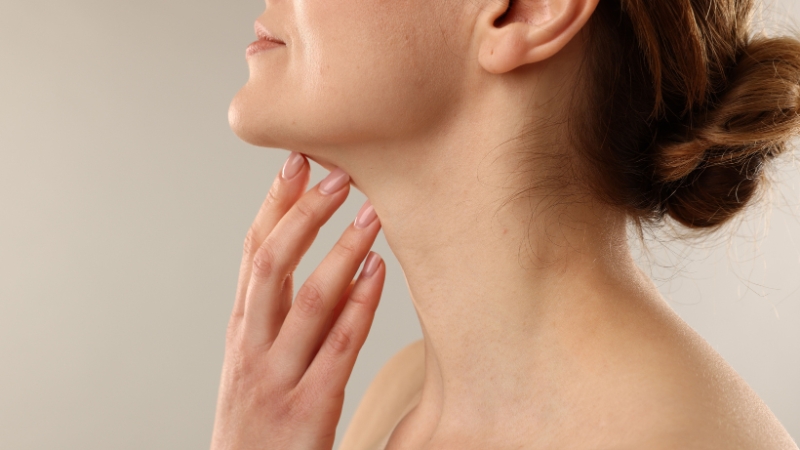
Neck aging often becomes visible earlier than changes in other facial areas.
Thin skin, constant movement, and gradual muscle separation contribute to sagging and band formation.
Jawline definition may soften, and loose skin can create a heavier profile even in individuals who maintain a healthy lifestyle.
Many patients ask, “When is the right time for a neck lift?” Chronological age alone does not determine candidacy.
Visible changes in skin tone, elasticity, and muscle structure play a greater role in deciding timing.
Decision-making should focus on the degree of skin laxity, the presence of platysmal bands, submental fullness, and personal aesthetic goals.
Of course, coming up with a decision regarding this is not an easy thing.
Let’s dive right into the topic so that you can make a proper decision.
Is There an Ideal Age for a Neck Lift?
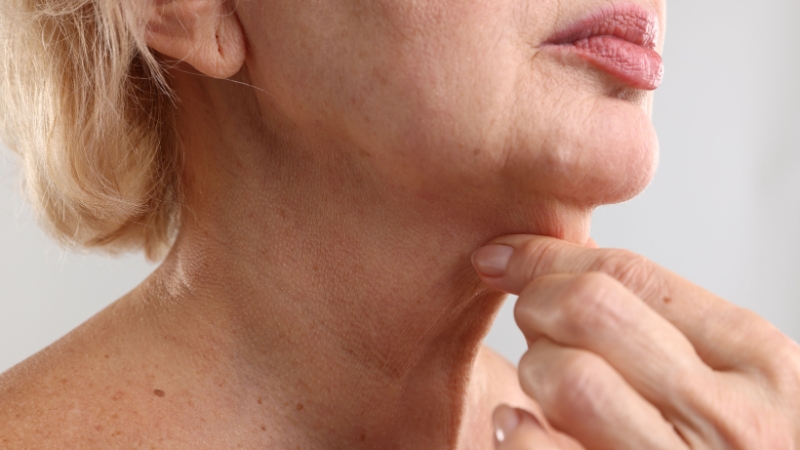
Age often becomes the first question during consultation.
Many patients assume a specific number determines readiness for surgery.
If you’re considering consultation or planning a neck lift, resources like plastic surgery Fayetteville can help you explore surgical options and find a qualified surgeon whose practice includes neck lifts and related facial procedures.
In reality, visible anatomical changes and tissue quality carry greater importance than chronological age alone.
No Universal Perfect Age
No single age applies to every patient. Careful evaluation focuses on structural changes in the neck rather than a fixed cutoff.
Personal expectations also influence timing. Someone bothered by early sagging in their early 40s may be a stronger candidate than a person in their late 50s with minimal laxity and low aesthetic concern.
Anatomy, genetics, smoking history, and cumulative sun exposure often shape neck aging more than birth year alone.
Typical Age Range
Most neck lift patients fall between 40 and 60 years old. Surgeons, however, treat adults outside that range when clinical findings support intervention.
Physical condition, healing capacity, and realistic expectations carry more weight than age itself.
Several trends appear in clinical practice:
In Your 40s
Subtle signs of aging often emerge during the 40s.
Mild skin laxity, early vertical bands, and softening along the jawline can create a tired or heavier appearance in profile.
Skin elasticity remains relatively strong in this decade, which supports favorable healing and long-lasting contour retention.
Many individuals in their 40s choose surgery after noticing that non-surgical treatments no longer maintain a firm neckline.
In Your 50s
Greater collagen loss typically appears during the 50s. Skin laxity becomes more noticeable, and platysmal separation may produce distinct vertical cords.
Submental fullness may also contribute to a heavier neck contour.
Surgery during this decade often achieves balanced rejuvenation because structural changes are clearly visible, yet tissue quality still supports reliable healing.
Many patients in this age group seek long-term correction rather than ongoing temporary treatments.
In Your 60s and Beyond
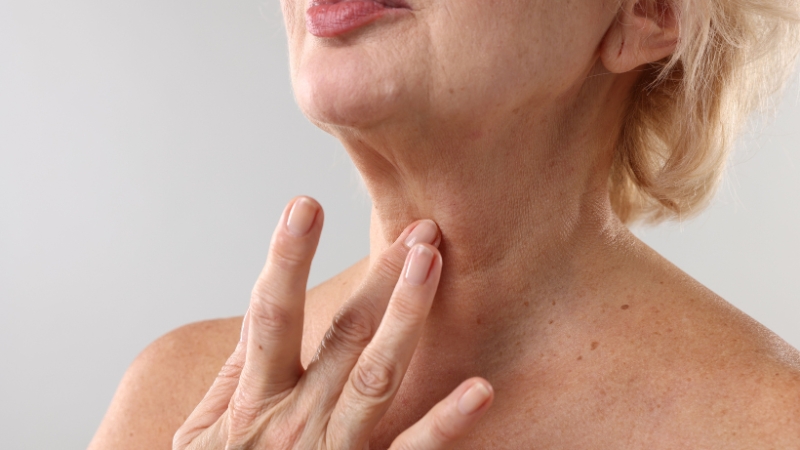
Advanced laxity and pronounced muscle banding frequently develop in the 60s and later.
Loose skin may gather beneath the chin and along the neck, creating a hanging appearance. Jawline definition often diminishes significantly.
Good overall health becomes the primary requirement for surgery at this stage.
Candidates should have well-controlled medical conditions and a stable cardiovascular status.
Even with substantial laxity, a properly performed neck lift can deliver dramatic contour improvement and a smoother profile.
Early Versus Delayed Intervention
Earlier surgery may provide longer-lasting results because collagen levels and tissue elasticity remain stronger.
Improved skin tone allows tightened structures to maintain contour for many years.
Waiting can be reasonable when mild laxity responds to radiofrequency treatments or injectables.
Advanced sagging and persistent banding often require a more extensive surgical approach later, since non-surgical methods cannot correct structural muscle separation.
The Role of Skin Laxity in Timing
View this post on Instagram
Skin laxity represents one of the most important indicators for surgical timing. The degree of sagging, elasticity, and muscle involvement determines both candidacy and expected outcomes.
Mild Skin Laxity
Mild sagging often appears as slight looseness under the chin or subtle softening along the jawline. Non-surgical treatments may temporarily improve firmness by stimulating collagen production.
Radiofrequency devices and selected injectables can create modest tightening effects.
Surgery becomes more appropriate when:
Persistent laxity suggests that structural correction will provide more meaningful and durable improvement.
Moderate to Severe Laxity
More advanced sagging presents with redundant skin, deeper vertical bands, and visible contour irregularities.
Platysmaplasty addresses these concerns by tightening underlying muscles and removing excess skin.
Structural correction at deeper tissue levels improves durability compared to superficial tightening alone.
Surgical correction at this stage restores a smoother transition between the jawline and neckline.
Elasticity and Healing Capacity
Tissue elasticity directly influences both healing and long-term contour retention.
Younger skin with stronger collagen support adapts more effectively after repositioning.
Improved elasticity allows the neck to maintain a defined shape for a longer period.
Aging tissue can still respond well to surgery, though durability may vary. Lifestyle habits such as sun exposure, smoking, and weight fluctuation can weaken collagen and shorten the lifespan of results.
Health and Lifestyle Considerations
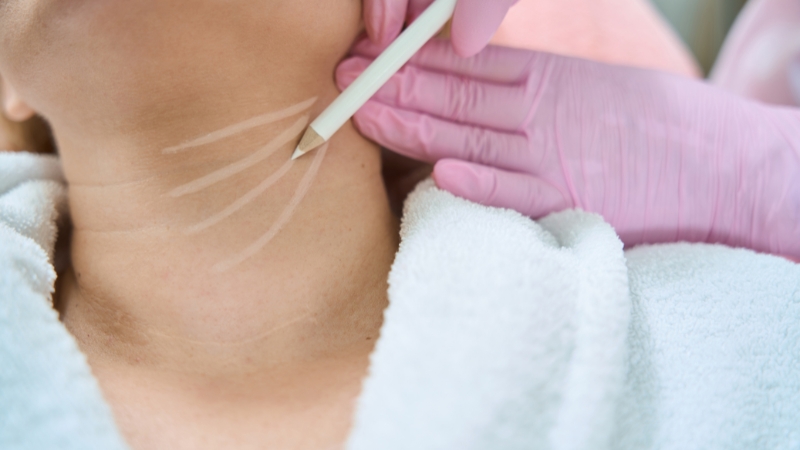
Physical readiness plays a critical role in surgical safety and recovery. Comprehensive evaluation ensures that risks remain low and healing progresses predictably.
Good overall health improves tolerance to anesthesia and reduces complication rates. Non-smokers experience better circulation and a lower risk of wound healing problems.
Chronic conditions such as hypertension or diabetes should be well-controlled before scheduling surgery.
Weight Stability
Stable body weight supports long-term contour preservation. Significant weight gain can stretch skin and compromise surgical refinement.
Rapid weight loss may also create new laxity. Maintaining a consistent weight before and after surgery helps protect the investment in treatment.
Long Term Maintenance
Postoperative care does not end after healing. Daily habits influence how long results remain visible. Protective and supportive measures include:
Healthy practices extend the typical longevity of surgical correction.
Signs It May Be the Right Time for You

Personal readiness often becomes clear when physical changes persist despite conservative treatment.
Consistent dissatisfaction with neck contour may signal that non-surgical options no longer provide adequate improvement.
Indicators that surgery may be appropriate include:
Alignment between physical findings, health status, and realistic expectations ultimately determines ideal timing. Age alone does not define candidacy.
Summary
@michellewood165 Replying to @JessicaH #necklift ♬ original sound – Michelle
The right timing for a neck lift depends on visible aging changes, dissatisfaction with neck contour, and overall health, rather than a specific age number.
Most patients pursue surgery between their 40s and 60s, though candidacy extends to younger and older individuals based on anatomy and goals.
Results typically last 10 to 15 years.