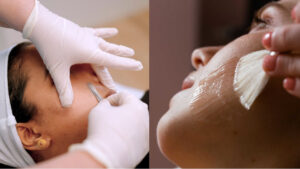
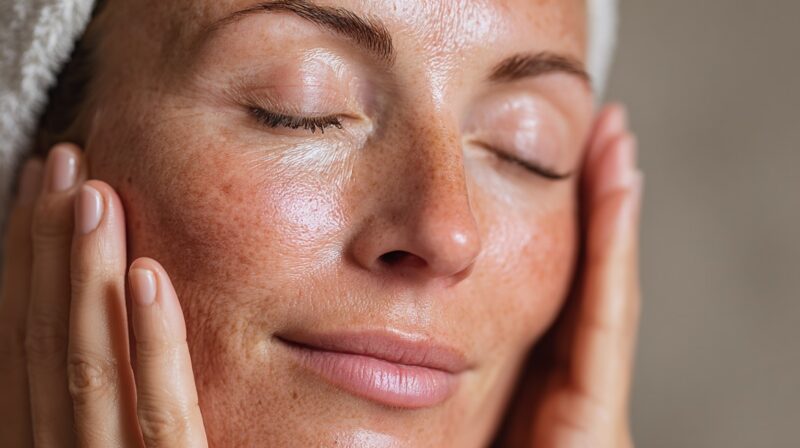
Skincare in 2026 signals a clear shift toward intention and proof. Results now matter more than excess, and consumers no longer chase complicated routines that promise instant perfection.
Science-backed formulations, measurable outcomes, and long-term skin health guide purchasing decisions.
Trust has moved toward ingredient transparency, sustainable sourcing, and clinical validation.
Education and skin literacy shape routines, while exaggerated claims lose influence. Products earn loyalty only when performance can be shown, tracked, and felt over time.
Adoption reflects practicality rather than hype, with routines built around fewer steps that support skin resilience and repair.
Skin Longevity and Regenerative Skincare
Skin longevity now guides decision-making across skincare routines and clinical treatments.
Regeneration, maintenance, and preservation outweigh drastic visual change, with daily habits built around collagen integrity, inflammation control, and cellular function.
Biostimulators sit at the center of regenerative strategies. Injectables such as Sculptra and Juvederm, both formulated with poly-L-lactic acid, activate fibroblasts to stimulate collagen and elastin gradually.
Demand rises due to outcomes that remain subtle, progressive, and biologically aligned with natural aging.
Exosomes expand regenerative care into advanced cellular signaling. MetaCell Technology, derived directly from a person’s own body, enhances intercellular communication while calming inflammation.
Treatments support repair at a microscopic level, resulting in improved clarity, resilience, and radiance.
Topical skincare follows similar regenerative logic. Reome’s Biogenic Melting Cream, powered by Telessence M3, strengthens cellular defense systems and stress response pathways.
Tatcha’s Longevity Serum targets senescent cells linked to visible aging and reduced repair capacity. Commitment centers on cumulative improvement rather than instant correction.
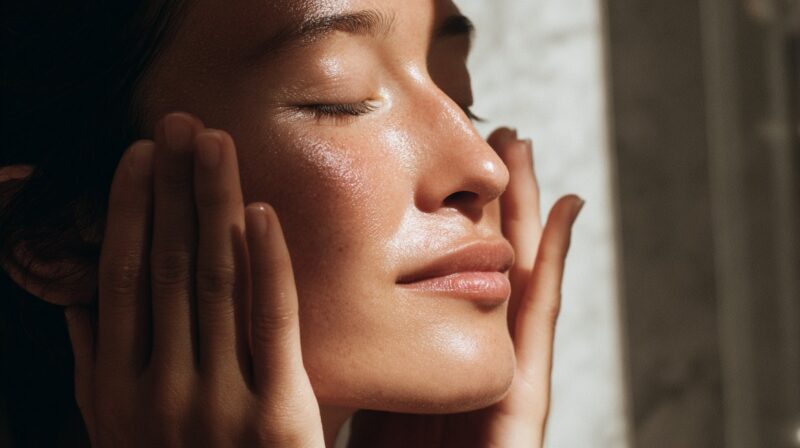
Simplicity as Modern Luxury and the Rise of Skinimalism
Minimalism defines prestige skincare in 2026.
Overextended routines give way to intelligent formulations designed to perform multiple functions while preserving the barrier and microbiome.
Fewer steps now signal sophistication rather than compromise.
Markets across India and global regions reflect rising demand for efficiency-driven products.
Formulas engineered for multitasking align with time-conscious lifestyles and increasing sensitivity concerns.
Encapsulation technology supports this shift.
Controlled release systems allow active ingredients to work gradually, improving tolerance and consistency.
Products such as The Inkey List Retinol and Retinal serums deliver visible anti-aging effects while reducing irritation risk.
Professional treatments also adopt minimalist logic.
Polynucleotides derived from salmon or trout DNA appear frequently in clinic settings due to their regenerative hydration benefits.
- Accelerated tissue recovery
- Improved hydration retention
- Enhanced healing response post-procedure
Resurfacing routines grow gentler. Timeline Skincare’s Mito-Biotic Exfoliator relies on salicylic, lactic, and mandelic acids to refine texture without compromising the barrier or microbiome balance.
Discover more with Rodan + Fields, with streamlined regimens that reflect this modern skinimalist approach, offering targeted, dermatologist-backed solutions for long-term skin health.

Peptides, Ectoin, and Gentle Actives Take Priority
Performance skincare in 2026 depends on ingredient precision supported by clinical validation rather than rapid trend adoption. Focus centers on actives that work synergistically with skin biology.
Peptides lead this movement. Multi-peptide systems target firmness, elasticity, and repair pathways simultaneously.
Allies of Skin’s Multi Peptides and Growth Factor Serum demonstrates how peptide blends support structural improvement at the dermal level.
Advanced peptide usage often extends into device-assisted routines.
Copper peptides frequently pair with LED light therapy to enhance penetration and stimulate regeneration through photobiomodulation.
- Increased collagen synthesis
- Faster cellular turnover
- Improved post-treatment recovery
Ectoin establishes itself as a defining molecule of 2026. Protective and hydrating properties defend skin against pollution, UV exposure, and climate stress while reducing inflammatory responses.
Brands such as Dr. Loretta, Paula’s Choice, and La Roche-Posay integrate ectoin into formulas designed for barrier preservation.
Preference continues shifting toward gentle actives that respect microbiome balance.
Ingredients such as niacinamide, bakuchiol, and silver ear mushroom appear frequently in K-beauty-inspired formulations, reinforcing barrier-first care across varied climates and skin types.
Personalized and Data-Driven Skincare Adoption
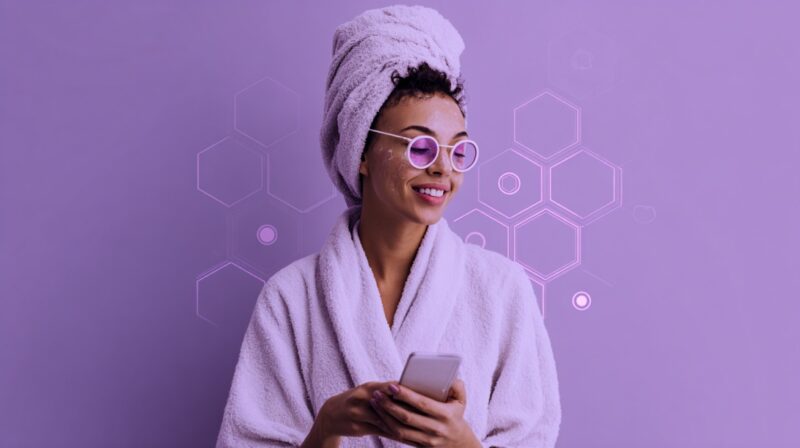
Personalization moves into mainstream skincare through diagnostics powered by artificial intelligence and real-time analysis.
Routines now respond to measurable skin data rather than generalized advice.
In-clinic tools such as OBSERV 520x analyze pores, pigmentation, vascular patterns, and sub-surface structure.
Treatment planning increasingly relies on visualized data rather than assumption-based protocols.
At-home platforms such as SkinScan and Noli extend personalization into daily routines.
Product recommendations adjust based on tracked progress, allowing users to refine care as skin behavior changes.
- Ongoing skin condition monitoring
- Data-based product adjustments
- Long-term trend tracking
Clinical personalization expands further through integrative wellness treatments.
Customized IV drips containing NAD+, amino acids, and antioxidants pair with eye lasers and vagus nerve stimulation.
Focus connects skin performance with nervous system regulation and the gut-brain-skin axis.
Dermatology, longevity medicine, and biohacking now operate as a unified system rather than separate disciplines.
Korean Skincare 2.0
Korean skincare enters a refined phase driven by texture innovation, botanical actives, and multifunctional efficiency.
Product development favors a balance between performance and sensory comfort.
Lightweight layering systems deliver hydration, repair, and tone correction without overwhelming the skin.
Formulas support daily use across climates and skin sensitivities.
- Red camellia for antioxidant support
- Bakuchiol for gentle renewal
- Silver ear mushroom for hydration and plumpness
View this post on Instagram
Peptides and niacinamide reinforce barrier strength while helping regulate oil production.
Professional treatments evolve alongside retail formulas.
Local Dynamic Micro-Massage, known as LDM, uses dual-frequency ultrasound to stimulate collagen, reduce inflammation, and support the barrier in sessions lasting under twenty minutes.
Western clinics increasingly adopt this method due to efficiency and visible outcomes without downtime.
Technology-Driven Devices at Home
Advanced skincare devices integrate seamlessly into daily routines as consumers seek professional-grade outcomes without recovery periods.
LED therapy gains widespread adoption. Nooance Elite X600 LED Mask offers customizable light settings designed to boost collagen production while calming inflammation.
Resurfacing technology also advances through compact devices. Lancôme Rénergie Nano-Resurfacer Device applies nano-scale stimulation to smooth texture and improve firmness without irritation.
- Consistent long-term use
- Greater control over treatment intensity
- Reduced reliance on frequent clinic visits
Professional technology at home reflects demand for efficiency, measurable results, and sustained skin health over time.
The Bottom Line
Skincare in 2026 centers on evidence, restraint, and intention. Knowledge replaces noise as consumers gravitate toward products supported by clinical validation and transparent formulation.
Fewer steps deliver stronger outcomes when routines prioritize barrier health, regeneration, and personalization. Longevity replaces quick fixes, and wellness integrates seamlessly with dermatology.
Final insight defines the era clearly. If skincare cannot prove performance, adoption simply does not follow.