
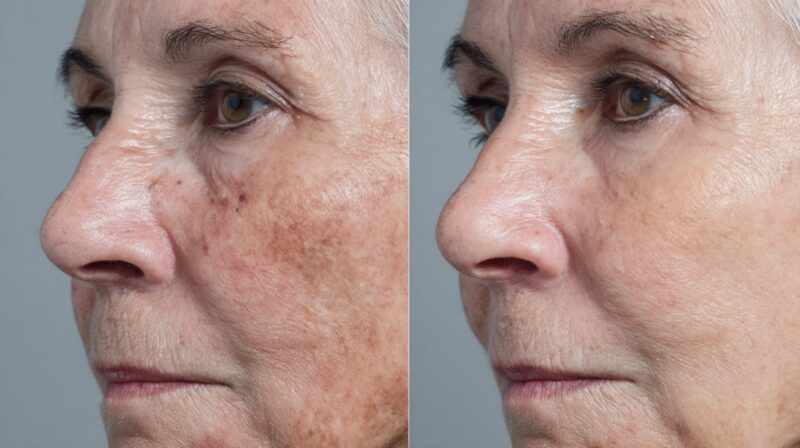
Rapid advancements in aesthetic medicine have shifted skin rejuvenation priorities toward treatments that improve skin health at a cellular level rather than relying on surface stimulation alone. Patients increasingly seek options that support natural repair mechanisms, longer-lasting results, and refined changes that develop gradually.
Growing interest places Exosome Therapy as a 2026 alternative to traditional microneedling, particularly among individuals focused on prevention, skin longevity, and biologic improvement.
Regenerative signaling allows skin to respond more efficiently to treatment, leading to improvements that feel natural and balanced over time.
- Cellular communication that supports collagen and elastin regeneration
- Longer-lasting benefits compared to standard microneedling protocols
- Reduced inflammation and smoother recovery periods
A biologic approach centered on regeneration aligns with modern aesthetic goals that favor subtle refinement, extended results, and naturally healthier skin rather than immediate but temporary change.
Let’s check it out.
Exosome Therapy Explained
@rozelbasilio Exosomes Therapy is one of the best facial treatments you can try if you want clear and glowing skin! ✨ Thank you @Skin Buffet Aesthetics for this amazing treatment! 💖 use my promo code: #SBRozel for 30% off (for first-time clients) #exosome #facialtreatment #skincare ♬ original sound – Rozel ✿ – 𝚁𝚘𝚣𝚎𝚕 𝙱𝚊𝚜𝚒𝚕𝚒𝚘
Exosome Therapy is most often delivered as a topical treatment immediately after microneedling or laser procedures, a timing choice designed to increase skin permeability and cellular uptake.
Freshly treated skin contains microscopic pathways that allow biologic material to move past the surface barrier and reach active layers responsible for repair. Controlled microchannels created during treatment serve as entry points for regenerative signaling rather than simple surface absorption.
Once inside the tissue, exosomes interact directly with surrounding cells and initiate biologic communication that supports repair and renewal. Cellular messaging influences how skin cells behave, shifting activity toward regeneration rather than inflammation or cellular fatigue.
Fibroblast stimulation plays a central role, leading to increased collagen and elastin production while encouraging more efficient cell turnover.
Anti-inflammatory signaling contributes to calmer skin during recovery, which explains the reduced redness and shortened downtime frequently reported after treatment.
Clinical longevity sets Exosome Therapy apart, with benefits lasting 6 to 8 months, exceeding most topical or device-only approaches.
- 40% reduction in senescent skin cells within twelve weeks
- Increased collagen synthesis during the post treatment regeneration phase
- Improved cellular communication is linked to healthier skin behavior
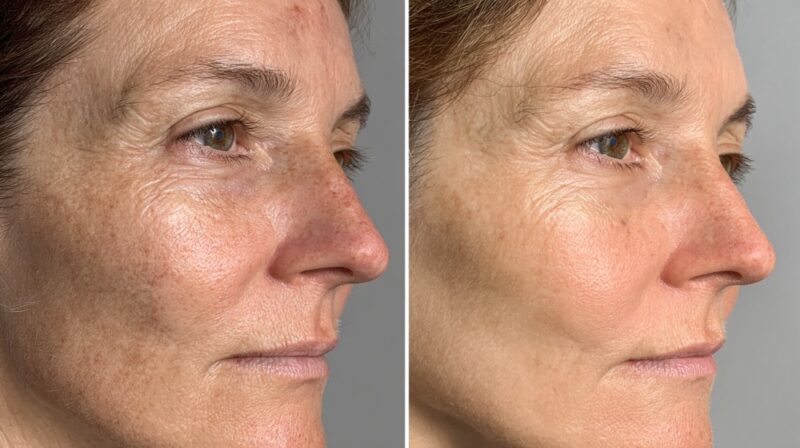
Results appear gradually as biologic processes unfold, leading to progressive improvement in texture, firmness, and overall skin vitality rather than abrupt visual change.
Microneedling with Exosomes vs Traditional Microneedling
Traditional microneedling relies on mechanical stimulation to initiate wound healing and collagen production through controlled microinjuries. Natural repair follows, yet outcomes vary depending on individual healing response, age, and baseline skin health.
Microneedling combined with Exosome Therapy intensifies regenerative signaling by delivering biologic messengers directly into freshly treated tissue.
Healing efficiency improves due to enhanced cellular coordination and reduced inflammatory response. Recovery periods shorten as skin calms more quickly, while deeper molecular activity supports longer-lasting improvement in skin quality.
Device selection plays a role in treatment customization, allowing practitioners to address multiple concerns within a single session.
- Faster post-procedure recovery and reduced redness
- Improved skin texture and smoother surface appearance
- Visible reduction in pores, scars, and fine lines
Technologies such as Morpheus8 and SkinPen are frequently selected due to compatibility with regenerative biologic treatments and their ability to stimulate deeper skin layers without excessive trauma.
Exosome Therapy vs Traditional Treatments
Comparing Exosome Therapy with traditional aesthetic treatments requires a focus on how each approach affects skin at a biological and structural level.
Treatment intent differs significantly, as regenerative strategies aim to improve cellular function, while traditional injectables focus on immediate visual correction.
Outcome expectations, timelines, and safety considerations vary accordingly, making informed comparison essential.
Mechanism of Action
Exosome Therapy activates internal repair by influencing cell behavior, promoting fibroblast activity, and encouraging healthier tissue function. Biological messaging guides aging cells toward regenerative patterns rather than surface-level correction.
Fillers operate through physical volume replacement using substances such as hyaluronic acid or calcium hydroxylapatite, creating immediate shape change without improving cellular health.
- Exosome Therapy supports skin quality and regeneration
- Fillers address volume loss and facial contouring
- Regenerative signaling improves tissue behavior over time
Timeline of Results
Fillers deliver rapid visual change, with plumping and lifting visible within days of treatment. Exosome Therapy follows a slower timeline as collagen and elastin rebuild gradually.
Skin quality continues to improve across four to twelve weeks, aligning with natural tissue regeneration cycles rather than cosmetic immediacy.
Progressive improvement suits individuals seeking refined change instead of abrupt shifts. Long-term enhancement often appears more natural due to the absence of artificial volume and swelling.
Treatment Outcomes
Fillers remain effective for pronounced volume loss, deep folds, and facial shaping.
Exosome Therapy addresses surface and structural skin quality concerns without altering facial contours. Clinical experience supports consistent improvement in radiance, elasticity, and resilience as cellular health strengthens.
- Softer fine lines and improved texture
- More even tone and enhanced luminosity
- Firmer skin without added volume
Clinical Evidence and Safety
Exosome Therapy lacks FDA approval for cosmetic use as of 2024, placing treatment within off-label practice, similar to many widely accepted aesthetic procedures. Safety data indicate minimal side effects when administered by trained professionals using sterile and verified products.
Absence of foreign injectable materials reduces immune reaction risk and lowers complication rates associated with fillers.
Provider expertise plays a central role due to product variability and sourcing considerations.
- Transparent disclosure of exosome sourcing
- Strict sterility and handling standards
- Practitioner experience with regenerative procedures
Ideal Candidates for Exosome Therapy
Early signs of aging respond particularly well to Exosome Therapy, including fine lines, uneven texture, dull appearance, and mild pigmentation irregularities.
Younger patients increasingly adopt regenerative treatments as part of prejuvenation strategies designed to maintain skin health before visible aging accelerates.
Natural beauty-focused individuals often prefer gradual improvement without injectables, positioning Exosome Therapy as an appealing option.
Demographic trends show growing interest in preventative treatments that prioritize cellular function over immediate cosmetic correction.
- Patients are noticing early skin quality decline
- Individuals seeking preventative regenerative care
- Patients are avoiding volume-altering injectables
Making the Right Treatment Choice
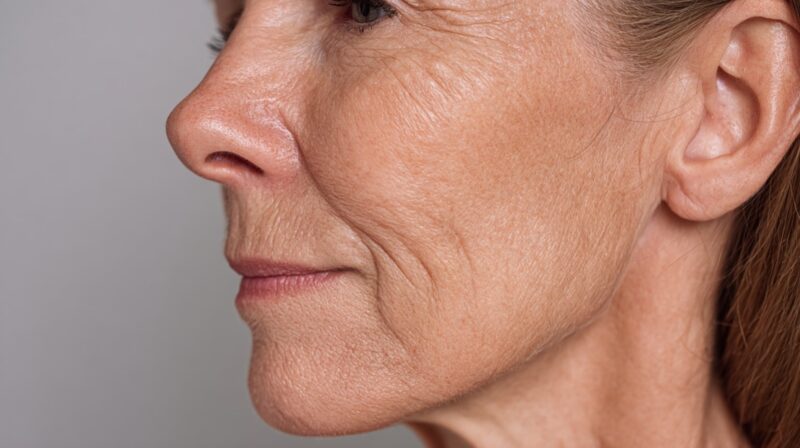
Treatment selection depends on personal priorities related to skin quality, facial structure, and the desired pace of visible change.
Exosome Therapy aligns with individuals who value long-term skin improvement driven by biologic repair rather than immediate cosmetic alteration.
Skin concerns play a major role in determining suitability. Texture irregularities, early fine lines, dullness, and reduced firmness respond more effectively to regenerative signaling than to volume-based correction.
Facial structure concerns, such as deep folds or contour loss, may still benefit more from injectable options, while Exosome Therapy serves as a complementary or standalone approach for skin quality enhancement.
- Preference for gradual improvement versus immediate visible change
- Comfort level with injectables compared to topical or device-assisted treatments
- Willingness to invest in regenerative care with longer-lasting results
Financial planning also influences treatment choice. Exosome Therapy may involve a higher upfront investment, yet the extended benefit duration of six to eight months can reduce the frequency of repeat sessions.
The Bottom Line
Exosome Therapy reflects a modern approach to skin rejuvenation that prioritizes cellular repair and long term skin health rather than short term cosmetic correction.
Regenerative signaling allows skin to rebuild collagen, improve texture, and restore resilience through biologic processes that work in harmony with natural healing.
Focus on regeneration rather than surface stimulation aligns with evolving aesthetic values centered on prevention, subtlety, and sustained skin vitality.
Exosome Therapy offers a forward-facing option for individuals committed to healthier skin function and naturally improved appearance over time.