Skincare has become a major focus in modern health and beauty industries as awareness of skin health continues to increase.
People increasingly seek professional treatments to maintain healthy skin, improve appearance, and address various skin concerns.
Confusion often occurs between estheticians and dermatology skincare specialists because both professions involve working with skin.
Many individuals assume both roles provide similar services, yet significant differences exist in education, training, and professional responsibilities:
Knowing the distinctions between these two professions helps individuals interested in skincare careers determine which professional path aligns best with their goals, educational plans, and long-term interests.
What Is an Esthetician?
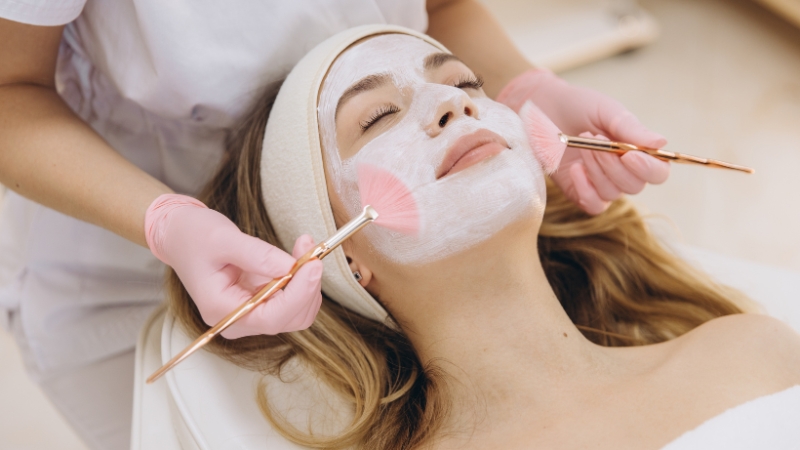
Growing interest in skincare treatments has created a strong demand for professionals who focus on maintaining healthy and attractive skin.
Estheticians play a central role in cosmetic skincare by providing treatments that improve skin texture, hydration, and overall appearance without performing medical procedures.
Professional practice centers on beauty-related skincare treatments rather than the diagnosis or treatment of medical skin conditions.
Clients often seek esthetician services for routine skin maintenance, relaxation treatments, and cosmetic improvements that help maintain a healthy-looking complexion.
Main Responsibilities
Daily responsibilities in esthetics focus on cosmetic procedures designed to improve appearance and maintain healthy skin.
Treatments typically involve cleansing, exfoliation, hydration, and specialized skincare techniques performed using professional products and equipment.
Common services performed by estheticians include several important treatment categories:
Hair removal also represents a major service offered in many spas and salons.
Techniques used for hair removal may include:
- Waxing treatments that remove hair at the root
- Threading procedures are commonly used for facial hair removal
- Sugaring methods that rely on natural sugar-based pastes
Makeup application represents another skill within the esthetics practice.
Some estheticians specialize in professional makeup services used for weddings, photo shoots, media production, or special events.
Types of Estheticians
Career opportunities within esthetics vary depending on workplace setting and professional specialization.
Training may lead to several different career paths within the beauty and skincare industries.
Spa estheticians often work in relaxation-focused environments where services combine skincare treatment with wellness experiences.
Work settings may include day spas, resorts, or wellness centers. Services typically include facials, exfoliation treatments, and skin hydration therapies.
Medical estheticians work in clinical environments alongside dermatologists or plastic surgeons. Duties often involve assisting with cosmetic treatments performed in medical settings.
What Is a Dermatology Skincare Specialist (Dermatologist)?
Medical expertise plays a critical role in managing diseases and conditions affecting skin health. Dermatologists function as physicians who diagnose and treat a wide range of disorders affecting skin, hair, and nails.
A dermatologist is a licensed medical doctor specializing in the diagnosis and treatment of conditions affecting skin, hair, and nails. Medical professionals within dermatology receive extensive training in recognizing and managing more than 3,000 skin-related diseases.
Clinical knowledge allows dermatologists to evaluate symptoms, perform diagnostic testing, and develop treatment plans that address both medical and cosmetic concerns.
Medical training prepares dermatologists to treat conditions that range in severity. Patients may seek dermatology care for common issues such as acne or eczema, as well as serious medical conditions, including skin cancer.
Main Responsibilities
Daily work in dermatology combines medical evaluation, diagnostic procedures, and therapeutic treatments. Patient consultations often involve detailed skin examinations that help identify potential skin disorders.
Several responsibilities form the foundation of dermatology practice:
Skin cancer detection represents one of the most important roles performed by dermatologists. Early detection improves treatment outcomes and helps prevent the progression of dangerous skin cancers.
Medical testing procedures also form part of dermatology practice. Dermatologists frequently perform diagnostic procedures such as skin biopsies that allow laboratory analysis of suspicious tissue.
Surgical procedures may also occur in dermatology clinics. Dermatologists may perform treatments such as:
- Removal of cysts or benign skin growths
- Surgical excision of skin cancers
- Treatment of abnormal moles or suspicious lesions
Cosmetic dermatology represents another important part of modern dermatology practice. Many dermatologists offer aesthetic treatments designed to improve skin appearance.
Examples of cosmetic procedures performed in dermatology clinics include:
- Botox injections that reduce facial wrinkles
- Dermal fillers that restore facial volume
- Laser treatments that improve pigmentation, scars, or sun damage
Specialized Areas in Dermatology
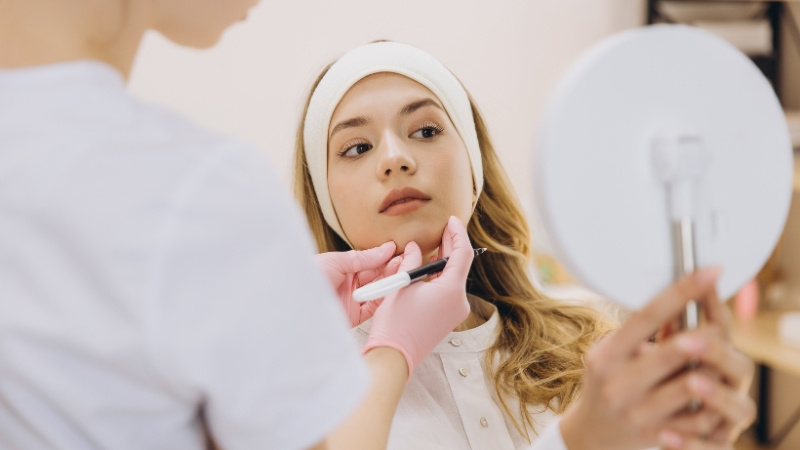
Dermatology contains several specialized fields that focus on different aspects of skin health and treatment.
Physicians may concentrate their careers in one or more specialized areas.
Major areas of dermatology practice include:
Specialization allows dermatologists to develop advanced expertise in particular treatment areas.
Some physicians also pursue additional fellowship training that further expands clinical knowledge and procedural skills.
Education and Training Requirements
Career preparation for estheticians and dermatologists differs significantly in length and complexity.
Both professions require specialized education, though medical training for dermatologists involves many more years of study.
Esthetician Training
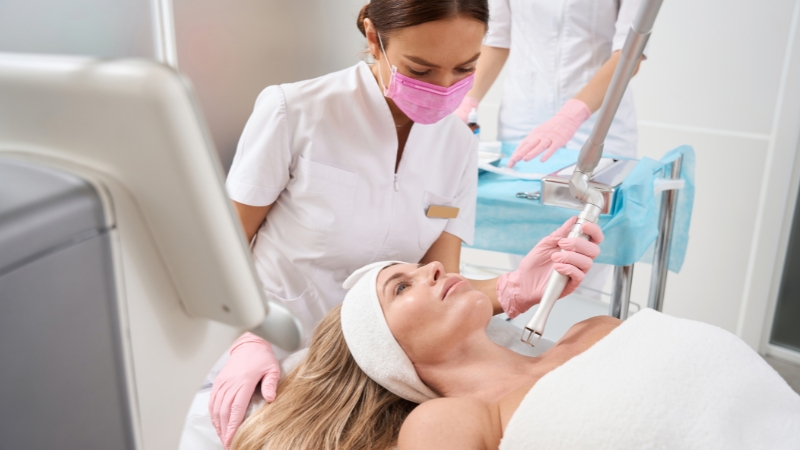
Esthetician education usually requires completion of a cosmetology or esthetics training program.
Students who become interested in skincare careers during their teenage years often begin researching education pathways early and may look for scholarships for high school students to help support their future training.
Training requirements vary depending on state regulations and may range between 250 and 1,500 training hours.
Many esthetics programs require approximately four to six months of study before students qualify for licensing exams.
Training programs usually include several important subject areas that prepare students for professional practice:
Practical training forms an important component of esthetician education. Students practice facial treatments, hair removal methods, and product application techniques under instructor supervision.
Licensing represents a required step before professional practice. Graduates must pass a state licensing examination that includes both written and practical testing.
Additional education opportunities allow estheticians to expand professional skills. Advanced certifications may include training in:
- Laser-assisted skincare procedures
- Advanced exfoliation and resurfacing treatments
- Medical spa skincare protocols
- Dermatologist Training
Dermatology requires a long and structured medical education pathway that prepares physicians to diagnose and treat complex skin conditions.
Educational progression typically includes several stages:
- Completion of a bachelor’s degree, often in a science-related field
- Medical school training leading to a Doctor of Medicine (MD) or Doctor of Osteopathic Medicine (DO) degree
- Internship year providing supervised clinical experience
- The dermatology residency program focused on specialized dermatologic training
Residency programs typically involve several years of intensive clinical training under the supervision of experienced dermatologists.
The total time required before an independent dermatology practice often reaches approximately twelve years.
Many dermatologists pursue additional credentials following residency.
Board certification demonstrates professional competence in dermatology practice.
Some physicians continue training through fellowships that focus on advanced specialties such as dermatopathology or cosmetic dermatology.
What Are Their Scopes of Practice?
View this post on Instagram
Professional authority and responsibilities differ significantly between estheticians and dermatologists.
What Estheticians Can Do
Estheticians provide cosmetic skincare treatments designed to improve skin appearance and maintain healthy skin.
Procedures typically involve non-invasive techniques applied to the outer skin layers.
Services commonly offered in esthetics practice include several treatment categories:
Skincare consultations represent another important service provided by estheticians.
Professionals analyze skin characteristics and recommend products or routines that support daily skincare.
Common consultation topics may include:
- Selecting appropriate cleansers and moisturizers
- Creating daily skincare routines suited to skin type
- Preventive skincare practices, such as sun protection
Non-invasive treatments designed to improve skin tone and texture remain central to esthetician practice.
What Dermatologists Can Do
Dermatologists operate within a medical scope of practice that allows diagnosis and treatment of skin diseases.
Training allows physicians to evaluate symptoms, perform medical testing, and prescribe treatment plans.
Key medical responsibilities in dermatology practice include:
Dermatologists also treat a wide range of medical skin conditions, including:
- Dermatitis and inflammatory skin disorders
- Bacterial, fungal, and viral infections
- Autoimmune skin diseases
- Skin cancer and abnormal growths
Advanced cosmetic treatments also occur within dermatology clinics.
Procedures performed by dermatologists may include injectable treatments, laser therapy, and other medically supervised aesthetic procedures.
Salary and Career Outlook
Career prospects in skincare professions remain strong due to growing public interest in:
- Skin health
- Anti-aging treatments
- Cosmetic procedures
Income potential varies greatly between esthetics and dermatology because of differences in education and medical training.
The average esthetician salary in many areas ranges between $40,000 and $50,000 annually.
Income levels vary depending on geographic location, level of experience, specialization, and workplace setting.
Additional earnings may come through several income sources common in spa environments:
Dermatologists earn substantially higher salaries due to extensive medical education and specialized expertise.
Higher earning potential also results from medical procedures, advanced treatments, and cosmetic services performed in dermatology practices.
Employment opportunities continue to expand in both professions. Growth within the cosmetic treatment industry has increased demand for trained estheticians working in spas, salons, and medical offices.
Dermatology remains a highly demanded medical specialty due to increasing rates of skin conditions, skin cancer screenings, and growing interest in cosmetic dermatology treatments.
Closing Thoughts
@sephora When the pros agree, it’s settled 🫡 @Dermatologist | Dr. Mina ♬ original sound – sephora
Estheticians and dermatologists both contribute important services within the skincare professions.
Esthetician work focuses on cosmetic treatments designed to improve skin appearance and maintain healthy skin.
Dermatologists provide medical care involving diagnosis, treatment, and prevention of skin diseases, along with advanced cosmetic procedures.
Career choice between esthetics and dermatology depends on educational goals, interest in medical practice, and professional aspirations within the skincare professions.