
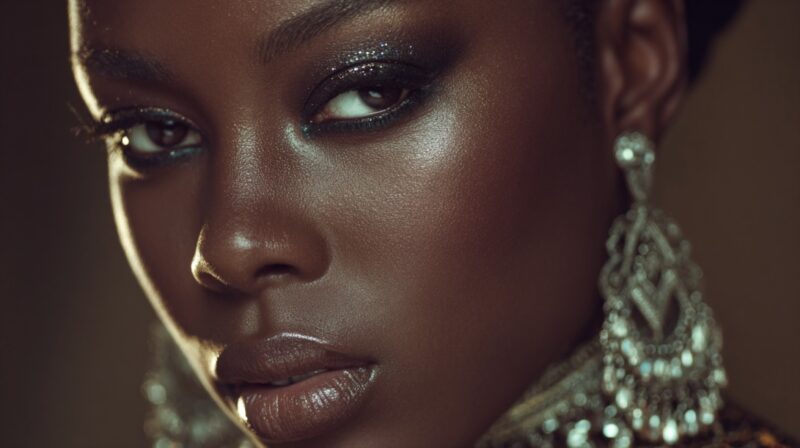
Eyeshadow can sometimes appear muted, chalky, or barely visible on deeper skin tones when formulas or shades lack sufficient pigment. Many makeup users with melanin-rich skin notice that colors that look vibrant in the palette do not show up with the same intensity once applied to the eyelid.
Poorly pigmented shadows can fade into the skin, leaving the eye looking flat or uneven.
Melanin-rich complexions provide a beautiful canvas for makeup. Strong pigment, thoughtful shade selection, and proper application techniques help color appear vibrant and dimensional.
Proper tools, formulas, and layering techniques make a significant difference in how colors appear on deeper complexions.
Let’s see how it can be done.
Start With the Right Base
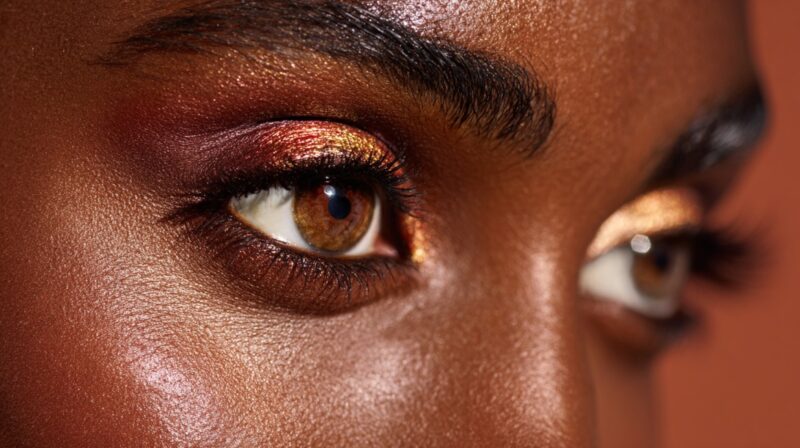
Proper eyelid preparation creates the foundation for visible, vibrant eyeshadow. Smooth and even skin allows pigment to grip the lid and prevents uneven color payoff. Preparation also reduces common problems such as fading, creasing, and patchiness during the day.
Careful preparation improves the performance of nearly every eyeshadow formula. Pigment appears stronger, colors remain true to tone, and application becomes easier.
Several simple steps help prepare the eyelid for better color payoff.
Use an Eyeshadow Primer
Eyeshadow primer creates a smooth surface that helps makeup adhere to the eyelid. Product forms a thin layer that grips pigment and reduces patchiness during application.
Longer wear often results when primer is applied before eyeshadow. Creasing and fading become less likely because the base helps keep pigment in place for hours.
Additional benefits also improve overall makeup performance.
Primer can help with the following:
- smoothing uneven eyelid texture
- increasing pigment adherence
- preventing oil from breaking down shadow
- helping color appear closer to the shade in the palette
Stronger color payoff becomes noticeable once shadows are placed over a properly primed eyelid.
@jvanityxo My eyeshadow base #makeup #makeupforblackwomen ♬ original sound – Jvanityxo
Try Concealer or a Neutralizing Base
A concealer placed across the eyelid can create a smooth and even surface that improves eyeshadow visibility. Even skin tone allows shadows to appear brighter and more defined.
Discoloration on the eyelid sometimes dulls the appearance of pigment. Neutralizing the lid helps correct that issue before the shadow is applied.
Lighter concealer can also help colorful shadows stand out more clearly. Even tone across the eyelid allows pigment to remain visible rather than fading into the skin.
Common base options that work well for deeper complexions include the following:
- creamy concealer slightly lighter than the skin tone
- neutral-toned eyeshadow bases designed for pigmentation
- cream shadow used as a base layer
Products with a slightly tacky texture help powder shadows grip the eyelid more effectively.
Choose a Base Shade Carefully
Base shade selection can strongly affect how eyeshadow appears on deeper skin tones. Lighter or neutral shades often help colorful shadows remain visible.
Contrast created by the base prevents pigment from disappearing into the eyelid. Color appears brighter once applied over a base that creates separation between the skin tone and the eyeshadow.
Cream shadows and eye pencils can also function as effective base layers. Several shades work particularly well for intensifying powder shadows.
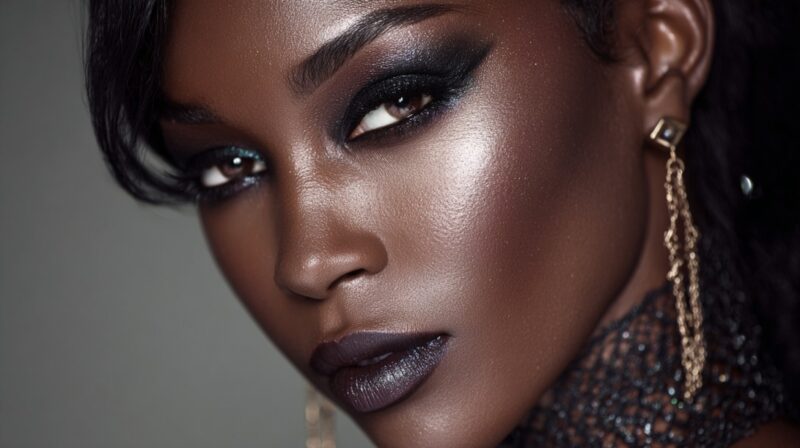
Effective base colors often include:
- warm beige
- caramel
- soft tan
- muted peach
Cream bases add another advantage. Powder shadows layered over cream products tend to appear more saturated and long-lasting.
Choose Highly Pigmented Eyeshadows
Strong pigmentation plays an important role in eyeshadow visibility on deeper complexions. Many formulas designed with lighter pigmentation fail to appear vibrant once placed on darker skin.
Low pigment shadows often look dull, grey, or barely visible. Highly pigmented formulas allow color to appear bold and defined with fewer layers.
Product selection, therefore, becomes a key step when building vibrant eye looks.
Look for Strong Color Payoff
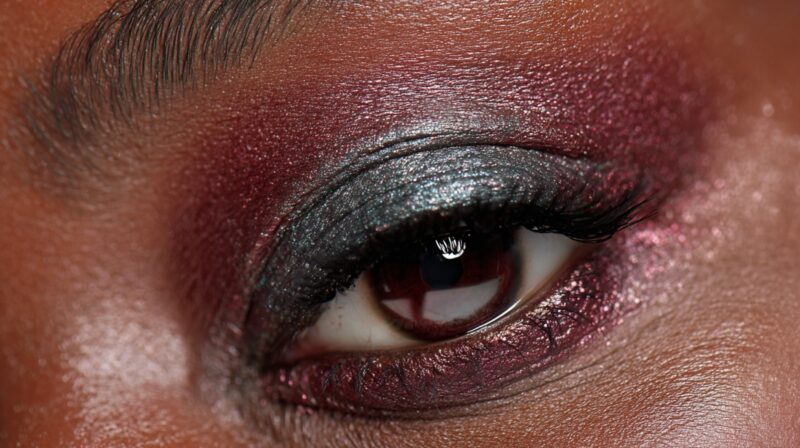
Eyeshadows designed with concentrated pigment tend to perform much better on deeper skin tones. Strong color payoff allows shades to remain visible once applied to the eyelid.
Weak pigmentation often requires repeated layering before color becomes noticeable. Highly pigmented shadows provide faster payoff and better intensity.
Reliable color payoff usually includes several qualities:
- saturated color visible in a single layer
- minimal chalkiness
- smooth texture that spreads evenly
- consistent pigment across the entire shade
Shadows with these qualities tend to create stronger eye looks on deeper complexions.
Avoid Chalky or Sheer Formulas
Chalky formulas often leave a grey or washed-out appearance on darker skin tones. Powdery texture may cling unevenly to the eyelid and weaken the color.
Sheer formulas create a similar problem. Low pigment concentration allows the natural eyelid tone to overpower the shadow color.
Selecting stronger formulas helps avoid these issues and keeps the eye looking vibrant.
Consider Different Eyeshadow Textures
View this post on Instagram
Eyeshadow texture influences how pigment appears on the eyelid. Certain textures naturally deliver stronger color payoff.
Cream shadows often produce intense pigment and smooth coverage. Texture adheres easily to the lid and helps maintain visibility throughout the day.
Powder shadows remain widely used because they allow gradual layering and control over intensity. Multiple thin layers can create deeper color and dimension.
Shimmer and metallic shadows increase visibility through light reflection. Shine enhances brightness and creates visual depth.
Combining textures within a single eye look can create stronger dimension and visual interest.
Select High-Quality Formulas
Well-formulated eyeshadows combine strong pigment with smooth application and consistent coverage. Quality formulas help color appear vibrant without patchiness.
Reliable shadows also tend to perform better during blending and layering. Smooth texture allows pigments to remain visible while creating soft transitions across the eyelid.
Signs of a well-designed formula often include the following characteristics:
- smooth texture that applies evenly
- strong pigmentation with minimal layering
- low fallout during application
- easy buildable intensity
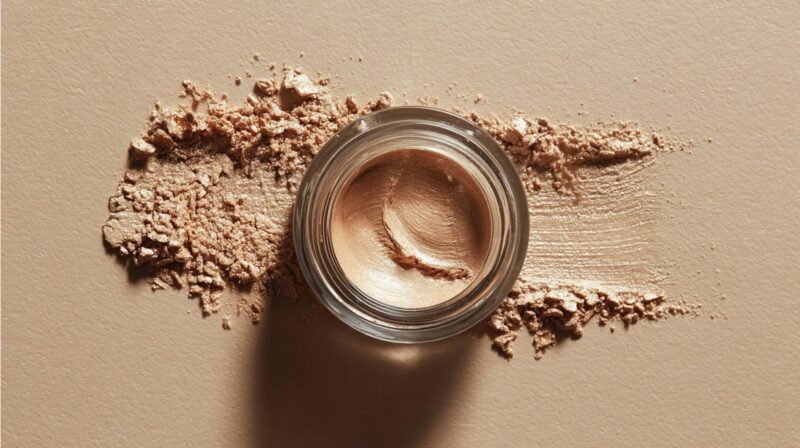
Products with these qualities help maintain a polished eye look throughout the day.
Pick Shades That Complement Darker Skin
Shade selection has a strong influence on how visible eyeshadow appears on deeper complexions. Colors that create contrast tend to appear brighter and more defined.
Warm undertones and deeper skin tones often pair well with bold shades, metallic finishes, and warm neutrals. Thoughtful color choices help the eyes remain the focus of the makeup look.
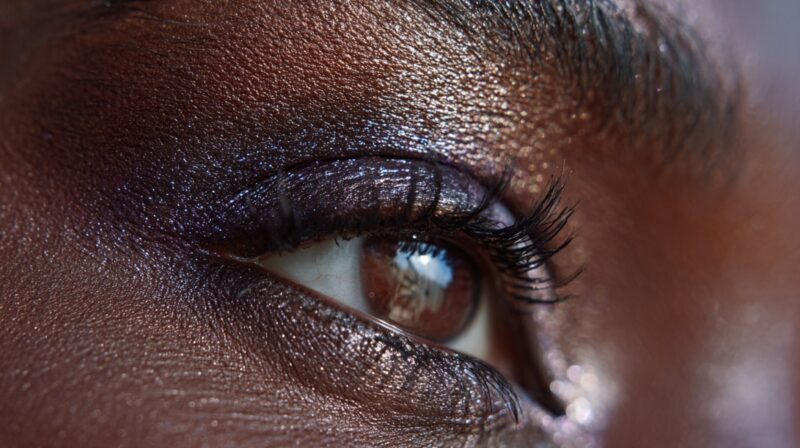
Know Your Skin Tone and Undertone
Skin undertones generally fall into three main categories. Identifying undertone helps determine which eyeshadow shades will look most harmonious.
Warm undertones often pair well with gold, bronze, terracotta, and warm browns. Cool undertones may look striking with jewel tones and cooler metallic shades. Neutral undertones usually work well with a wide range of colors.
Correct undertone pairing helps shadows appear vibrant rather than dull.
Jewel Tones
Jewel tones create a strong contrast on deeper skin tones. Saturated pigment allows color to remain visible and dramatic.
Several jewel shades frequently perform well:
- emerald green
- sapphire blue
- ruby red
- amethyst purple
Bold jewel shades can create striking evening looks or vibrant statement eye makeup.
Metallic Shades
Metallic shadows add dimension because light reflects off the pigment surface. Reflective finish increases brightness and helps color appear more visible on deeper skin.
Several metallic shades tend to complement darker complexions particularly well:
- gold
- bronze
- copper
- silver
Metallic shadows like cyber-chic chrome makeup look often works well on the center of the eyelid or inner corner for extra brightness.
Warm Earthy Neutrals
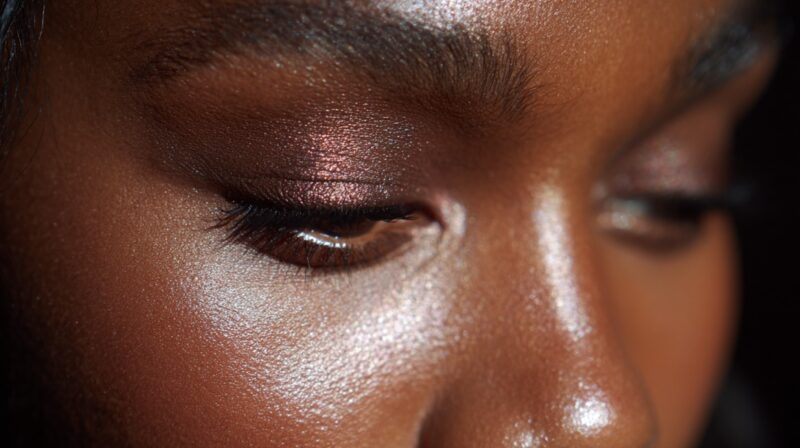
Warm neutral shades create polished eye looks that complement deeper skin tones without overpowering natural features.
Several shades frequently work well as crease or transition colors:
- terracotta
- chocolate brown
- burnt orange
Earth-toned shadows can also balance brighter colors placed on the lid.
Bright and Vibrant Colors
Bright colors create contrast that makes eye makeup more noticeable. High-intensity shades help the eyes become the focal point of the look.
Several vibrant shades often produce strong results on deeper complexions:
- vivid blue
- bright pink
- vibrant green
Strong color paired with proper layering techniques can produce bold and eye-catching makeup looks.
Summary
Eyeshadow can appear incredibly vibrant on deeper skin tones when proper techniques and products are used. Strong pigment formulas, thoughtful shade choices, and well-prepared eyelids help color appear vivid and long-lasting.
Proper base preparation allows shadows to grip the lid and maintain brightness. High-pigment formulas prevent colors fading into the skin.
Careful layering, effective brush techniques, and reflective finishes add depth and dimension. Bold jewel tones, metallic shades, warm neutrals, and vibrant colors can all create striking eye looks.