Rose water sits in a strange but familiar place in hair care. It feels old-school and comforting, smells beautiful, and shows up in routines passed down through families.
At the same time, it gets hyped online as a fix for almost every hair concern imaginable, from dandruff to hair growth to scalp detoxing.
The truth lives somewhere calmer and far more useful.
Used thoughtfully, rose water can support scalp comfort, ease dryness-related itch, and add a light layer of hydration that does not leave hair greasy or weighed down.
Used carelessly, it can irritate sensitive scalps, trigger fragrance reactions, or cause problems when DIY versions are stored without proper hygiene.
Today, we will take a look at what rose water actually is, what benefits make sense in real life, how to use it based on hair and scalp needs, and who should skip it or tread carefully.
Key Highlights
- Rose water offers light hydration and scalp comfort, not treatment for medical scalp conditions.
- It works best for mild dryness, itch, and frizz, especially on fine, wavy, or curly hair.
- Fragrance sensitivity is the biggest risk; patch testing matters.
- Quality, hygiene, and restrained use determine whether it helps or irritates.
What Rose Water Actually Is And Why Quality Matters
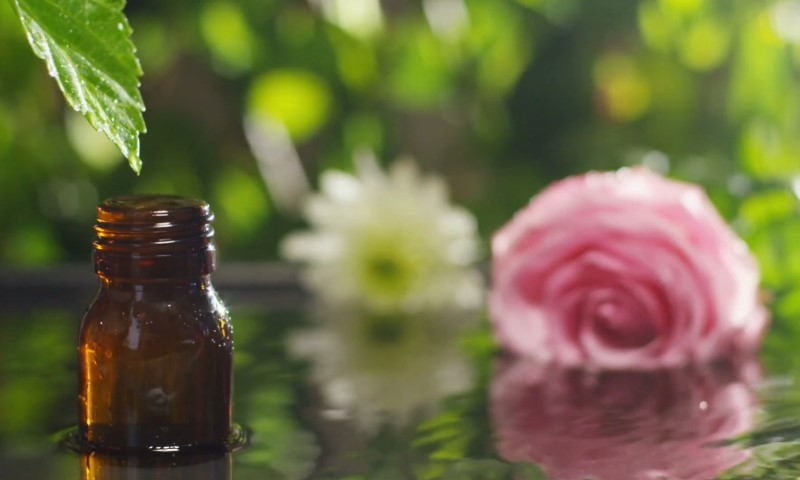
Rose water is a water-based distillate made from rose petals, most commonly from the Damask rose, Rosa damascena. In commercial production, rose petals are usually steam-distilled.
The steam captures aromatic compounds from the petals, then condenses back into a liquid, leaving a lightly scented floral water.
That process matters because rose water is not an oil. It is mostly water with tiny amounts of volatile aromatic compounds suspended in it.
Rose Water vs Rose Essential Oil
People mix these two up constantly, and the difference matters for your scalp.
Rose water is water-based and very low in concentration. Rose essential oil is highly concentrated and far more likely to irritate skin, especially sensitive scalps.
Using essential oil directly on the scalp without proper dilution raises the risk of irritation and allergic reactions. Rose water, by comparison, is gentler, though not risk-free.
What Is Inside Rose Water
The exact chemical profile depends on the rose variety, growing conditions, and distillation method. Rosa damascena flower water is often described as containing aromatic compounds such as phenethyl alcohol, along with smaller amounts of linalool, citronellol, nerol, and geraniol.
That matters for two reasons.
Some of those compounds contribute to the soothing feel and pleasant scent people enjoy. Some of the same compounds are known fragrance allergens for certain individuals.
Rose water can feel calming for many people and irritating for others, often for the same chemical reasons.
Why So Many People Reach For “Soothing” Scalp Products
Scalp discomfort is incredibly common. Tightness, itch, flaking, and sensitivity show up across hair types and ages.
Seborrheic dermatitis, a more inflammatory and persistent condition often associated with dandruff, has been estimated at around 4.38% pooled global prevalence in a large meta-analysis.
Other reviews describe a 1–3% incidence in the general adult population, depending on definitions and populations studied.
That is a lot of people dealing with an uncomfortable scalp at least part of the time.
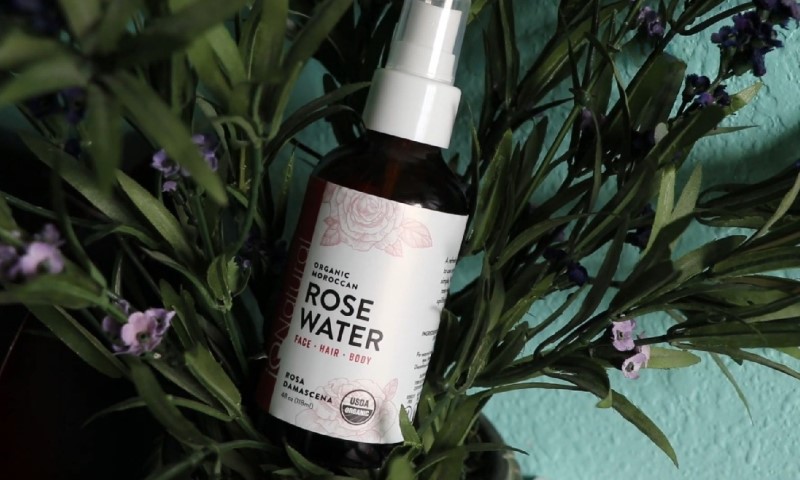
Rose water often enters routines as a comfort product. It does not treat the underlying medical causes of scalp disease, but it can help some people feel better day to day.
Benefits Of Rose Water For Hair
Rose water has earned its reputation through comfort and consistency, but separating the benefits that genuinely help hair and scalp from the claims that stretch too far is where real value starts.
It Can Calm Mild Itch And Scalp Irritation
According to Healthline, rose water is often described as mildly anti-inflammatory, which explains why people reach for it when their scalp feels irritated or tight.
- tightness after shampooing
- mild itch related to dryness
- scalp discomfort after heat styling
- sensitivity triggered by heavy styling products
- severe seborrheic dermatitis flares
- psoriasis plaques
- infection-like symptoms such as oozing, swelling, or pain
When inflammation is persistent or worsening, medicated treatments usually make more sense than botanical mists.
It Often Fits Well With Scalp-Friendly pH
Hair and scalp tend to behave best in a mildly acidic environment. A commonly cited range is around pH 4.5–5.5. Staying in that zone helps keep the hair cuticle smoother and can reduce roughness and frizz.
Rose water is often discussed as falling comfortably within that mildly acidic range, which helps explain why many people tolerate it as a leave-on product.
Practical takeaway: rose water works best as a supportive step, especially if your routine includes things that push hair toward alkalinity, such as bleach, harsh shampoos, or frequent heat.
It Adds Lightweight Hydration Without Oiliness
Because rose water is water-based, it offers hydration without the heaviness of oils or creams. That makes it appealing for:
- fine hair that feels greasy easily
- wavy hair prone to frizz
- curls that need rehydration between wash days
It does not replace conditioner, masks, or structured leave-ins, but it can reduce that dry, brittle feeling between washes.
It Can Improve the Look of Mild Flaking, With Limits
Rose water sometimes helps reduce visible flaking when flakes are driven by dryness or irritation.
The important caveat: flaking has many causes. Seborrheic dermatitis, for example, involves Malassezia yeast and inflammation. Standard anti-dandruff treatments target those factors directly.
Rose water may improve comfort, but it is not a substitute for evidence-based dandruff therapies when flakes persist.
Antioxidant And Antimicrobial Activity Exists, But Outcomes Are Indirect
Laboratory research on Rosa damascena extracts shows antioxidant and antimicrobial activity, often linked to phenolic compounds such as flavonoids.
Two reality checks help keep expectations grounded.
Many studies use concentrated extracts, not the same composition or strength as a light hydrosol. Even when antimicrobial activity exists, it does not automatically translate into hair growth or dandruff cures on a living scalp.
Rose water can still be useful, just not miraculous.
How To Use Rose Water On Hair In Real Life
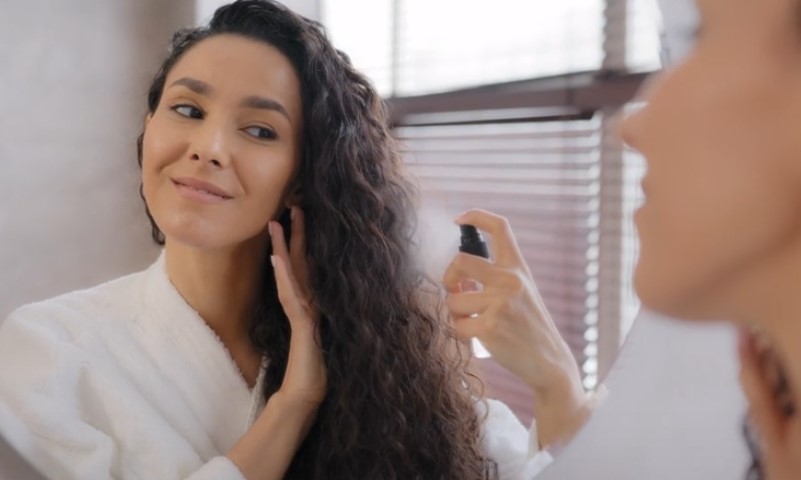
Below are the most practical ways to use rose water, with clear steps and realistic expectations.
Scalp Mist For Itch And Tightness
Best for: dry scalp, mild itch, post-wash tightness, protective styles
How to do it:
- Pour rose water into a clean spray bottle.
- Part hair into sections.
- Mist lightly onto the scalp, not soaking wet.
- Massage gently with fingertips for 30–60 seconds.
- Leave it in.
Frequency:
- 2–4 times per week for most people
- Daily use can be fine if your scalp tolerates it, but stop if irritation appears
Mid-Length And Ends Refresher
Best for: waves and curls between wash days, dry ends, static
How to do it:
- Spray lightly onto hands or mist hair from about 8–12 inches away.
- Smooth over ends and frizzy areas.
- Let hair air-dry.
Overapplication can leave hair sticky or limp, especially if the formula contains added glycerin or fragrance.
Pre-Shampoo Scalp Prep
Best for: oily scalp with dry lengths, mild flakes, people who dislike leave-on products
How to do it:
- Apply rose water to the scalp 10–20 minutes before washing.
- Massage gently.
- Shampoo as usual.
Short contact time reduces irritation risk for sensitive scalps.
Layered Into A Leave-In Routine
Best for: curly hair, dry hair, braids, twists
How to do it:
- Mist rose water first.
- Apply your usual leave-in conditioner or styling cream.
The rose water acts as a hydration base, so you can use a less heavy product.
DIY Rose Water Rinse For Shine
Best for: dull hair, post-clarifying softness
How to do it:
- After conditioning, pour rose water slowly through hair.
- Leave on for 1–2 minutes.
- Rinse with cool or lukewarm water.
Low-porosity hair often prefers a rinse rather than a leave-on.
Rose Water Use By Hair And Scalp Type
| Hair Or Scalp Type | Best Way To Use | How Often | What To Watch For |
| Oily scalp | Pre-shampoo scalp prep | 1–3× per week | heaviness if over-applied |
| Dry scalp | Leave-on scalp mist | 2–4× per week | irritation if fragrance-sensitive |
| Fine hair | Ends refresher only | 2–5× per week | limp feel from excess moisture |
| Curly hair | Mist then leave-in | 3–6× per week | buildup with heavy creams |
| Color-treated | Light mist, ends focus | 2–4× per week | avoid added alcohol |
| Sensitive scalp | Rinse-off or short contact | 1–2× per week | patch test first |
How To Choose A Good Rose Water Product
Quality matters more than branding.
Look for:
- A short ingredient list
- Real rose flower water listed clearly
- Minimal added fragrance if you are sensitive
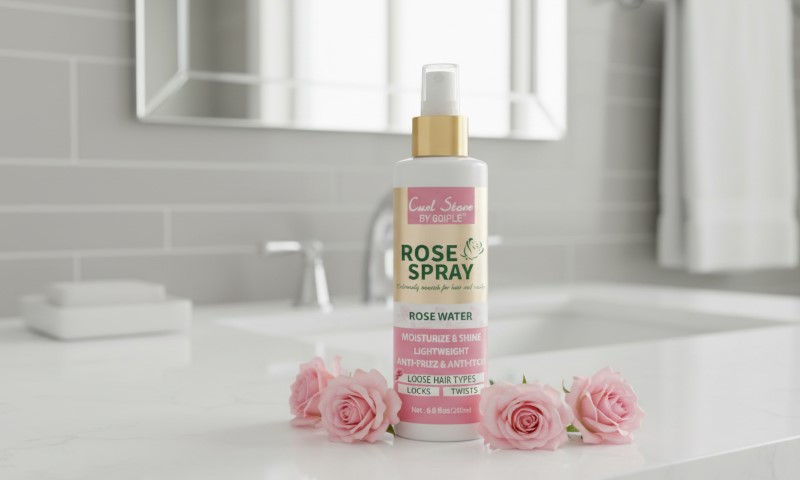
- Packaging that limits contamination, such as fine mist sprays
Approach cautiously if you see:
- Products labeled “rose water” that rely mostly on fragrance
- Heavy blends with multiple essential oils
- DIY mixtures stored for long periods without preservation
Fragrance remains a leading cause of allergic contact dermatitis, and dermatology organizations consistently list it as a common trigger.
Who Should Avoid Rose Water Or Use Extra Caution
Rose water is often gentle, but gentle does not mean universal.
People With Fragrance Allergy Or Recurrent Contact Dermatitis
Fragrance allergy is common, and hair products are frequent culprits, according to ACTAS research.
Red flags include:
- itchy rash along the hairline or neck
- eyelid swelling
- burning or stinging after product use
Dermatology literature consistently points to patch testing as the gold standard for diagnosing allergic contact dermatitis.
Eczema-Prone Or Highly Reactive Skin
Rose water contains volatile aromatic compounds. Even if tolerated for months, sensitization can develop over time.
If your skin barrier is compromised, simpler routines usually perform better.
Worsening Or Active Scalp Inflammation
Rose water may feel soothing, but it should not replace medical treatment for:
- severe seborrheic dermatitis
- scalp psoriasis
- suspected infection
Seborrheic dermatitis is inflammatory and often needs targeted therapy.
Known Reactions To Rose Or Botanical Ingredients
Botanical does not equal non-allergenic. Cosmetic safety reviews of Rosa damascena derivatives discuss sensitization as a known allergic contact dermatitis process.
How To Patch Test Rose Water At Home
Home patch testing does not replace medical patch testing, but it can help avoid obvious reactions.
- Apply a small amount behind the ear or on the inner forearm.
- Leave it on.
- Check at 24 hours and again at 48 hours.
Stop if you notice itching, redness, bumps, or burning.
Persistent rashes call for professional patch testing.
DIY Rose Water For Hair (Safety First)
DIY rose water is popular and also carries the highest risk.
Contamination Is the Biggest Concern
Any water-based cosmetic can become contaminated if hygiene and storage are poor. Regulatory agencies note that cosmetic products can become harmful when contaminated with microorganisms such as bacteria and fungi.
Water-rich formulations support microbial growth unless preserved properly.
A Safer DIY Method With Short Shelf Life
You will need:
- food-grade dried rose petals, pesticide-free
- distilled water
- clean pot, jar, and spray bottle
Steps:
- Gently simmer distilled water.
- Add petals, cover, and steep until cooled.
- Strain through a clean filter.
- Store in the refrigerator.
Shelf life:
- treat as a short-term product, often 3–7 days refrigerated
- discard if the smell changes, cloudiness appears, or the bottle feels slimy
Longer shelf life requires proper preservatives and cosmetic-grade hygiene, which explains why commercial products exist.
Common Mistakes That Make Rose Water Backfire
View this post on Instagram
- Using it excessively like a scalp perfume
- Applying it to broken or actively inflamed skin
- Assuming natural equals non-allergenic
- Relying on it as the only dandruff solution
More product does not mean better results. Moisture overload can worsen itch, especially for seborrheic dermatitis-prone scalps.
Bottom Line
Rose water works best for people who want lightweight hydration, gentle scalp comfort, and a simple refresher for waves or curls. It performs poorly for fragrance-sensitive users, anyone with recurring contact dermatitis, or those managing severe scalp conditions.
Used carefully, rose water can be a calm, supportive addition to a routine. Treat it like a cosmetic, not a cure, and it tends to behave exactly as advertised.