

Wigs can slip, lift, shift at the nape, or feel loose during normal daily movement.
Work, errands, social events, travel, warm weather, and active routines can all make a wig feel less secure if the base or hold method is not right.
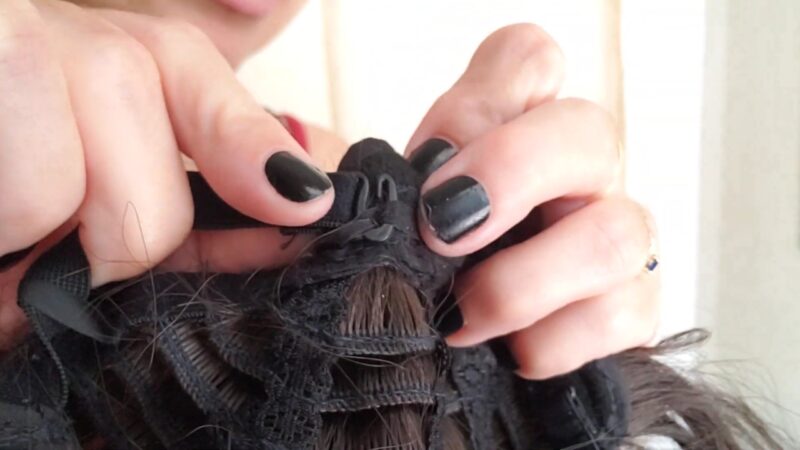
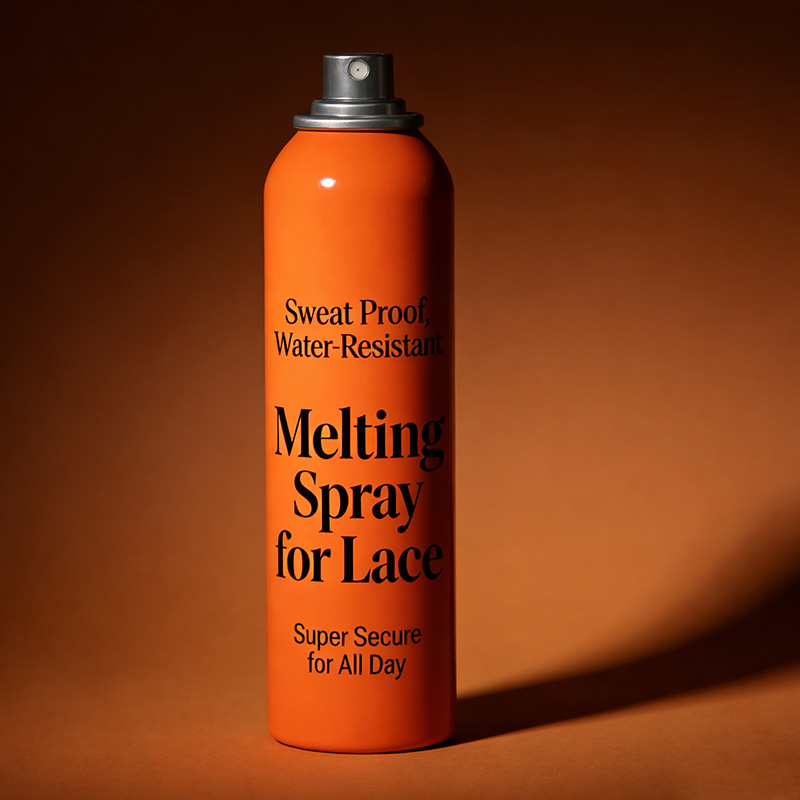
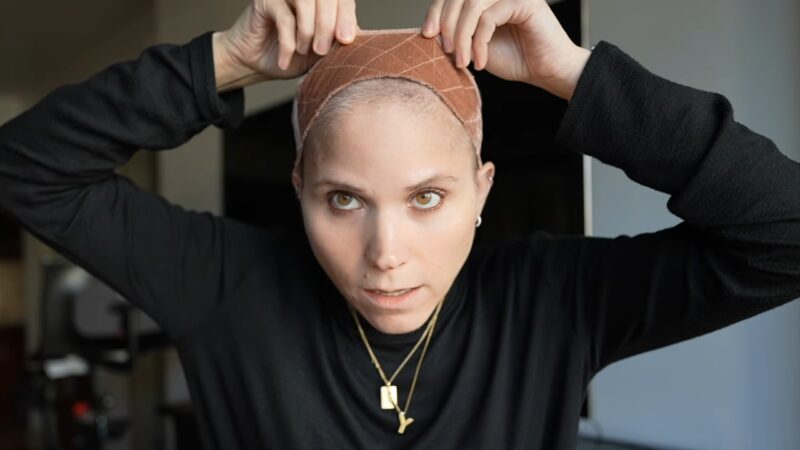
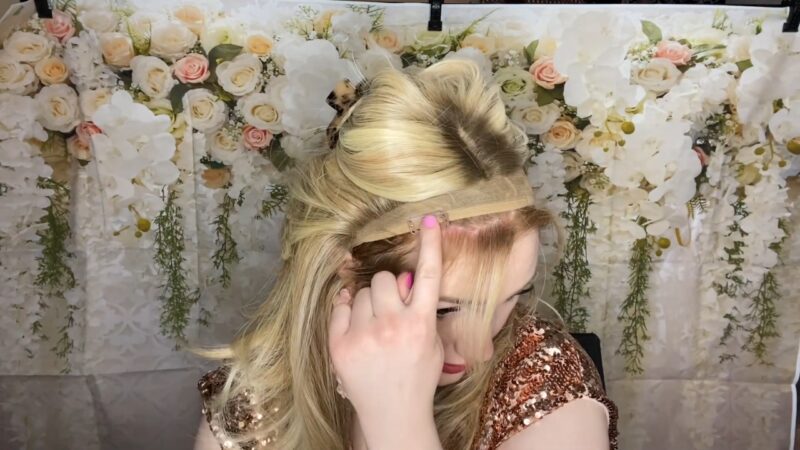
Daily wear options include wig tape, wig grip bands, silicone sheets or strips, wig caps, wig clips, bobby pins, adjustable straps, elastic bands, drawstrings, and wig glue. Best results depend on scalp sensitivity, natural hair amount, activity level, weather, and how long the wig needs to stay on. Beginner-friendly wig security starts with comfort, then adds hold where it is needed most. For longer hair, part the hair into two pigtails, twist each side tightly, cross the twists over, and secure them at the nape with hair grips. For shorter hair, comb the hair back and secure it near the nape if needed. A thin wig cap can smooth the surface, protect natural hair, and create a cleaner layer under the wig. Stretch the wig cap forehead to nape, tuck all baby hairs underneath, and place the cap edge at the natural hairline or slightly behind it for a more invisible finish. Check for air pockets, wrinkles, or lumps under the cap. Uneven areas can make the wig look unnatural or cause it to sit poorly. Before adding tape, glue, pins, or a grip band, check the inside of the wig cap. Many wigs include adjustable straps, elastic bands, drawstrings, combs, ear tabs, PU tabs, silicone grids, or non-slip areas. Tighten the straps until the wig feels snug but not painful. Proper internal strap adjustment is a key first step and can prevent many slipping problems on its own. Elastic bands sewn or clipped inside the wig cap can create a snug, customized fit. Drawstring wigs use elastic plus an adjustable cord for extra security. For a drawstring wig, put the wig on, gently pull the cord until the wig feels secure, then tuck the string away so it does not show. Elastic bands and drawstrings are useful for beginners because they create a discreet, adhesive-free hold. They can also work well for active use. Avoid over-tightening. Too much tension can cause headaches, scalp pressure, or stress around the edges. Wig glue, also called liquid adhesive, bonds lace to skin. It can create one of the flattest, longest-lasting hairlines and is often used for a melted-lace look. Glue works best for special events, vacations, performances, photography sessions, multi-day wear, dancing, exercise, high-movement situations, and moments where lifting is not acceptable. Wig glue, also called liquid adhesive, bonds lace to skin. It can create one of the flattest, longest-lasting hairlines and is often used for a melted-lace look. For wearers or beauty brands interested in quick-drying lace styling products, a private label lace melting spray can also be relevant for daily lace-front application and a natural-looking hairline. It can last about 3 to 7 days and does not require natural hair. Glue is not ideal for every daily routine. It may irritate sensitive skin, needs careful removal with the correct adhesive remover, and takes more skill than straps, grips, or tape. Beginners should practice before relying on glue for an important event. Placement also matters. Strong glue can be hard to reposition once the lace is set. Glue offers the strongest hold, but it also requires the most care, skill, and removal time. A wig grip is a velvet or silicone band worn under the wig. It creates friction between the wig cap and the head, helping the wig stay in place without glue or tape. Wig grips are a good option for daily wear, sensitive scalps, adhesive-free styling, office work, social events, easy removal during the day, and wig wearers who want comfort without glue or tape. Wig grips are designed to adjust with body movement, spread wig or hat weight more evenly, and reduce slipping. For normal daily activities, a wig grip can offer comfortable security. Wig grip bands are often considered a medium-hold method with simple application and about 8 to 12 hours of wear. Wig grips are reusable, lightweight, and gentle on edges. Velvet grips usually offer more friction, while silicone grips can be a hypoallergenic option for sensitive skin. A skin-tone wig grip can also look less visible under lace front wigs. Wig grips may be less secure than tape or glue in strong wind, intense exercise, or very high-sweat conditions. With proper care, a wig grip may last about six months before losing elasticity. Wig tape is a double-sided adhesive strip used to attach a wig to the scalp, lace, underside of the wig, or polyurethane tabs. It gives a stronger hold than a grip band while staying lower-maintenance than glue. Wig tape works well for long workdays, events, windy weather, active routines, wig wearers with little or no natural hair, and situations where a stronger hold is needed without using glue. Tape is often recommended for wig wearers with no hair because it works best on hair-free areas. It can feel uncomfortable if it sticks to natural hair. Wig tape comes in rolls, pre-cut strips, and spot tabs with varying hold strengths. Cut the tape into small strips if using a roll. Strips around 1 to 2 inches are usually easy to place. Apply the tape to the scalp, underside of the wig, lace, or PU tabs according to the product directions. Press each strip firmly for 10 to 15 seconds before removing the backing. Peel the backing, position the wig carefully center outward, and press the lace or wig edge into place. Press the wig lace onto the tape for 30 to 45 seconds per section to help create a secure bond. Clips, combs, and bobby pins anchor the wig to natural hair, braids, twists, wig wefts, or wig cap material. They are helpful for people with enough natural hair to grip. Clips and pins work well for thick, long, or dense natural hair, quick daily wear, extra hold at the temples, crown, or nape, non-adhesive styling, temporary wear, and quick wig changes. Bobby pins can be placed in hidden areas where clips may show. For a wefted wig, secure bobby pins through the wefts and into natural hair. For a wig that is not wefted, secure pins around the sides and temples. Bobby pins can also help flatten and secure natural hair before the wig goes on. Clips come in many colors and sizes, so they can be matched to the wig for a more discreet look. Clips usually require natural hair. They may not work well with a wig cap, bare scalp, fine hair, thinning hair, or fragile edges. The amount of clips or pins needed varies by person, wig style, and desired hold, so testing at home before going out is smart. Lightly teasing natural hair where clips attach can create extra grip, but use a gentle touch to avoid damage. A secure wig does not need to feel tight, heavy, or uncomfortable. Comfort and hold can work together when the base is flat, the fit is adjusted, and the securing method matches daily needs. Before leaving home, bend over and gently shake your head to check that the wig feels secure and comfortable. A good securing method should keep the wig in place while protecting the scalp, edges, and natural hair.
1. Start With a Flat, Secure Base
A flat base helps the wig sit naturally and keeps bumps, lumps, and shifting to a minimum. Braid, twist, wrap, or slick natural hair as flat as possible before putting on the wig.
2. Adjust the Wig’s Built-In Straps First
3. Use Wig Glue for Maximum Hold When Needed
4. Use a Wig Grip for Comfortable Daily Hold
5. Try Wig Tape for Stronger All-Day Security
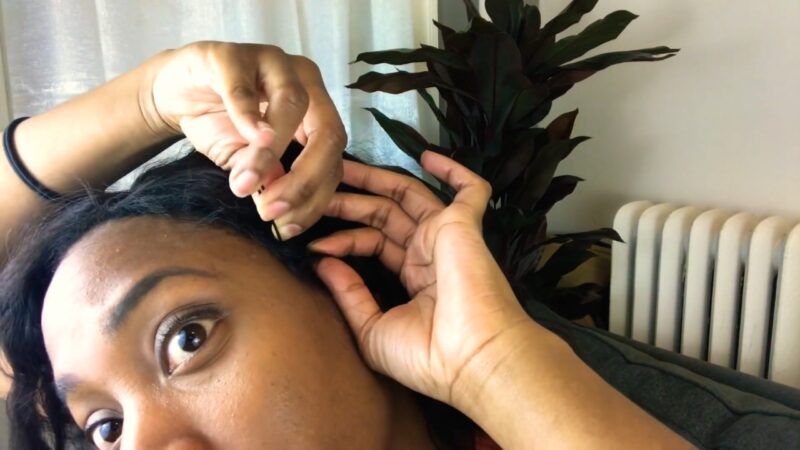
6. Add Clips, Combs, or Bobby Pins for Extra Support
Summary