

Growing interest in silk pillowcases and related beauty products has become noticeable in many personal care routines. Bedding made with this fiber and accessories like hair wraps or scrunchies often appear in conversations about protecting hair and improving skin condition during sleep.
Beauty professionals frequently mention these items as gentle alternatives to traditional cotton bedding.
Many people believe these materials improve hair and skin health because of their smooth surface and natural fiber composition.
Hairstylists and dermatologists often point to reduced friction and minimal moisture absorption as important reasons. Less rubbing against rough fabrics may help prevent breakage and irritation.
Not every hair or skin concern can be solved by switching bedding materials.
Still, properties of silk can reduce damage, help hair and skin retain moisture, and support a healthier appearance over time.
What Makes Silk Different From Other Fabrics?
Fabric choice can influence hair condition and skin comfort during sleep. Bedding creates continuous contact with hair and facial skin for several hours each night, so surface texture and fiber composition can affect friction, moisture retention, and overall comfort.
Silk differs significantly from many commonly used fabrics. Natural fiber composition, smooth surface structure, and low absorbency give it properties that interact gently with hair strands and skin.
Natural structure of silk fibers
Silk is a natural protein fiber produced by silkworm cocoons. Protein structure forms an exceptionally fine and smooth surface that interacts gently with hair strands and delicate facial skin.
Natural protein fibers behave differently from most synthetic materials. Contact with hair and skin often feels softer and less abrasive because the fiber structure contains smooth filaments rather than rough or uneven surfaces.
- Fibers contain natural proteins similar to those found in hair and skin
- Smooth filament structure creates minimal surface roughness
- Lightweight threads form a tightly woven fabric that feels soft against the skin
Synthetic materials such as polyester or nylon often rely on chemical processing rather than natural protein fibers. Those materials may feel smooth at first touch but frequently create more friction during extended contact.
Friction reduction
Hair and skin frequently move against pillowcases throughout the night. Friction created during that movement can weaken hair strands and irritate sensitive skin.
Smooth fibers allow hair to glide across the surface instead of catching against rough threads. Reduced resistance lowers the chance of tangling, breakage, and pulling on facial skin.
Haircare professionals often mention friction as a major cause of nighttime hair damage. Hairstylist Nunzio Saviano explains that pillowcase friction can harm the hair cuticle. Hair slides across silk rather than catching on fabric, which helps reduce that type of damage.
- Hair cuticles remain smoother and less likely to lift or split
- Tangling decreases because strands move freely across the surface
- Skin experiences less pulling that can lead to irritation
Small changes in fabric texture can therefore make noticeable differences after many hours of contact each night.
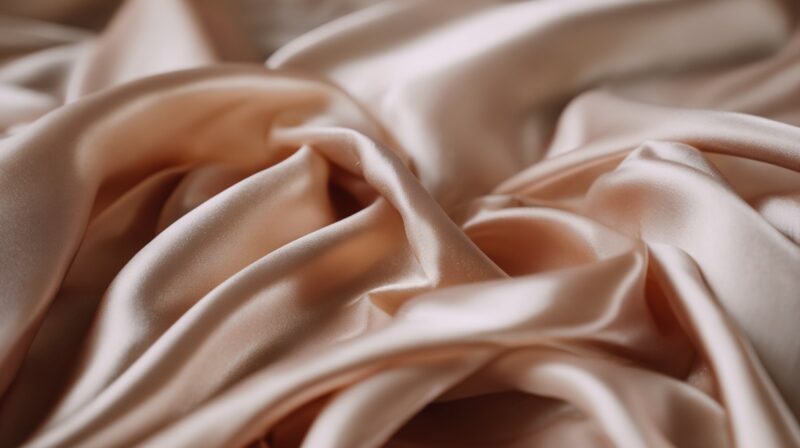
Moisture retention
Moisture balance plays an important role in both hair health and skin condition. Fabrics that absorb large amounts of moisture can pull oils and hydration away overnight.
Silk absorbs far less moisture than cotton and many other textiles. Natural oils in hair remain in place rather than transferring into bedding.
Skincare products also remain more effective during sleep when pillowcases absorb less moisture. Night creams, serums, and treatments stay on the skin surface instead of soaking into the fabric.
- Hair retains natural oils that protect and strengthen strands
- Skin keeps more hydration during the night
- Nighttime skincare products remain active on the skin
Cotton pillowcases often absorb oils and moisture quickly, which may leave hair drier and reduce the effectiveness of overnight skincare products.
Benefits of Silk for Hair

Hair often experiences friction, pressure, and moisture loss during sleep. Fabric texture plays an important role in how hair responds to those conditions.
Silk pillowcases and hair accessories have gained attention because smooth fibers reduce friction and limit moisture absorption. Many individuals notice improvements in hair condition after switching bedding materials.
Reduces breakage and split ends
Hair strands can weaken when repeatedly rubbing against rough fabrics during sleep. Friction lifts the hair cuticle, which makes strands more vulnerable to breakage.
Smooth fibers limit the repeated friction. Hair moves freely across the surface rather than catching on fabric threads.
Reduced tension during sleep allows strands to remain stronger and less brittle. Hair also becomes easier to manage because fewer tangles develop overnight.
Helps control frizz
Frizz often appears when hair cuticles become rough or lifted. Friction and static electricity both contribute to that problem.
Silk produces minimal static and allows strands to glide smoothly. Less friction means fewer raised cuticles and fewer tangled sections.
Curly and textured hair types often benefit the most. Natural curl patterns are more sensitive to dryness and friction, which can quickly lead to frizz and tangling.
- Curl patterns remain more defined
- Strands separate more easily when styling
- Frizz appears less noticeable
Reduced tangling also shortens styling time because hair requires less detangling.
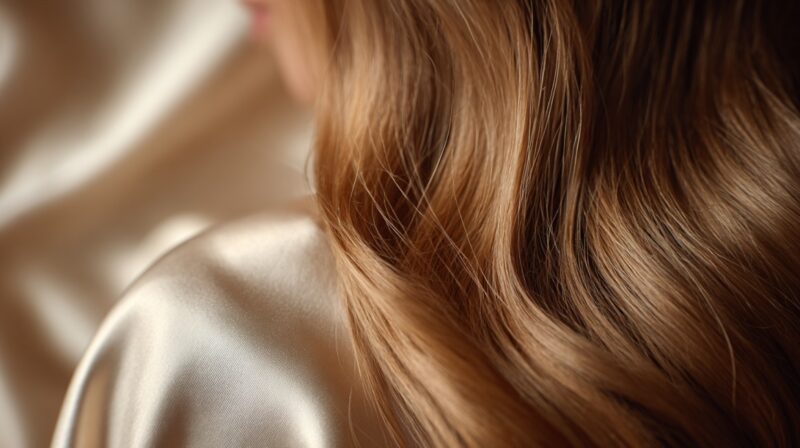
Maintains hair hydration
Hair health depends heavily on moisture balance. Natural oils produced by the scalp help protect and soften strands.
Cotton pillowcases often absorb those oils overnight. Hair may feel dry or rough the next morning as a result.
Silk absorbs far less moisture, which allows hair to retain natural oils. Hydrated hair tends to feel smoother and more flexible.
Hair that maintains hydration also becomes easier to style and manage.
Helps maintain hairstyles overnight
Maintaining a hairstyle overnight can be difficult when friction disrupts the shape of curls or straightened strands.
Smooth fabric reduces movement resistance that often disturbs hairstyles. Blowouts, curls, and other styles remain more intact after several hours of sleep.
Many individuals choose silk bedding specifically to preserve styled hair.
Morning styling routines may become quicker because hair requires fewer adjustments.
Benefits of Silk for Skin

Skin remains in direct contact with bedding for many hours each night. Fabric texture and moisture absorption can influence hydration levels and irritation.
Silk has gained attention in skincare routines because smooth fibers create less friction and absorb minimal moisture. Those qualities may help maintain skin comfort during sleep.
Helps skin retain moisture
Nighttime skincare products are designed to remain on the skin surface while the body rests. Fabrics that absorb moisture can reduce their effectiveness.
Low absorbency allows creams, serums, and lotions to remain on the skin rather than soaking into pillowcases. Hydration remains in place for longer periods overnight.
Protein fibers also interact gently with skin surfaces, which may support a healthy moisture balance.
Reduces sleep creases and irritation
Facial skin experiences pressure and friction against bedding throughout the night. Rough fabrics can create visible creases or irritation.
Smooth surfaces reduce that pulling and pressure. Skin moves more easily across the fabric instead of being pressed into rough textures.
- Temporary sleep creases on the face
- Redness caused by fabric irritation
- Discomfort affecting sensitive skin
Gentler contact during sleep may contribute to a more comfortable experience, especially for people with easily irritated skin.
Potential anti-aging benefits
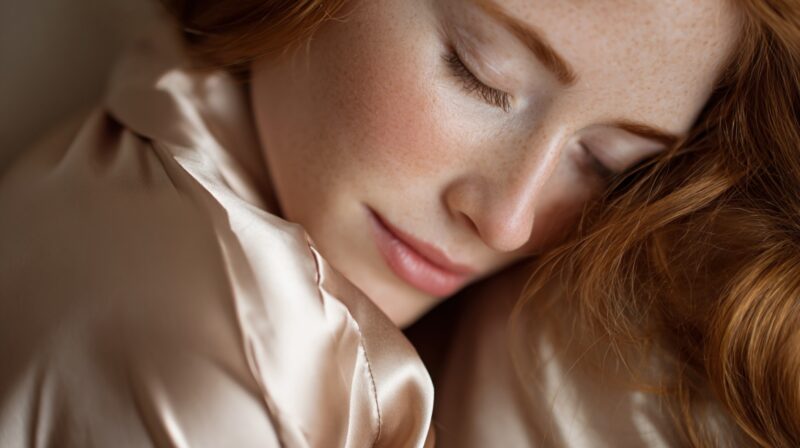
Repeated compression of facial skin during sleep can contribute to sleep wrinkles over time. Rough bedding may increase that pressure and friction.
Some experts suggest smoother pillowcase surfaces may help reduce that effect. Less friction means skin experiences less tugging and compression overnight.
Reduced pressure may support smoother skin appearance by limiting repeated folding of delicate facial areas.
Hypoallergenic and gentle
Silk is widely recognized as a soft and hypoallergenic material. Sensitive skin often responds better to fabrics that create minimal irritation.
Protein fibers interact gently with outer skin layers, which helps maintain hydration and comfort. Individuals with delicate or reactive skin frequently prefer softer bedding materials for that reason.
What Is the Difference Between Silk and Satin?
Many people assume silk and satin describe the same material. Differences actually involve fiber type and fabric construction.
Silk refers to a natural fiber created by silkworm cocoons. Satin describes a weaving technique that can use several types of fibers.
Material vs weave
Natural silk fibers are produced through harvesting and processing silkworm cocoons. Fabric created using those fibers contains natural protein strands.
Satin refers to a weave pattern that produces a glossy, smooth surface. Manufacturers can create satin using different materials such as:
- Polyester
- Nylon
- Silk fibers
Smooth texture often leads consumers to confuse satin with silk, though fiber composition may be very different.
Performance differences
Silk provides natural breathability and temperature regulation due to the structure of its fibers. Smooth protein strands also reduce friction against hair and skin.
Satin can imitate the smooth feel but frequently relies on synthetic fibers. Synthetic materials may trap heat or reduce airflow compared with natural fibers.
- Breathability during sleep
- Temperature regulation throughout the night
- Moisture absorption levels
Natural fibers often provide better airflow and comfort for extended contact with skin and hair.
@anna.ev.pothier Unfortunately for me (or I guess fortunately for my wallet) I didn’t see any noticeable difference in my skin or hair breakage or frizz when switching from a polyester satin pillowcase to a silk one. So I’d say save your money and go for polyester satin unless you notice a difference. My satin pillowcase is from @Kitsch LLC !! #satin #satinpillowcase #silk #silkpillowcase #haircare ♬ original sound – Anna Pothier
Price and accessibility
Production of silk requires labor-intensive harvesting and processing of fibers. Higher cost often reflects the effort required to create the material.
Satin alternatives are widely available and typically more affordable. Many consumers choose satin pillowcases because they provide a smooth surface at a lower price.
Summary
Smooth texture, natural fiber composition, and low moisture absorption give silk clear advantages in nighttime routines, making it also a perfect idea as a gift for all women. Reduced friction helps limit hair breakage and frizz while helping skin maintain hydration.
Expert observations and research suggest that silk pillowcases may reduce irritation and support a healthier hair appearance.
Results vary for each person, yet bedding changes can provide a simple improvement to overnight beauty habits.